

Updated 5 days ago
Smart Ring vs Smartwatch vs Smart Band: Which Is Best for Health Tracking?
youhong
Introduction: Choosing the Right Wearable for Health Monitoring
As wearable health technology evolves, brands and solution providers face a fundamental question:
Should we build a smart ring, a smartwatch, or a smart band for health tracking?
From heart rate and sleep monitoring to HRV, SpO₂, and long-term wellness insights, different wearable form factors offer very different trade-offs in terms of accuracy, power consumption, user compliance, and scalability.
This article compares smart rings, smartwatches, and smart bands from a professional manufacturer’s perspective, focusing on:
- Health data quality
- Wearability and long-term compliance
- Hardware and algorithm constraints
- Manufacturing and OEM considerations
- Ideal use cases for brands and platforms
If you are evaluating a wearable product strategy, this guide will help you choose the right device—not just the most popular one.
Overview: Smart Ring, Smartwatch, and Smart Band Explained
What Is a Smart Ring?
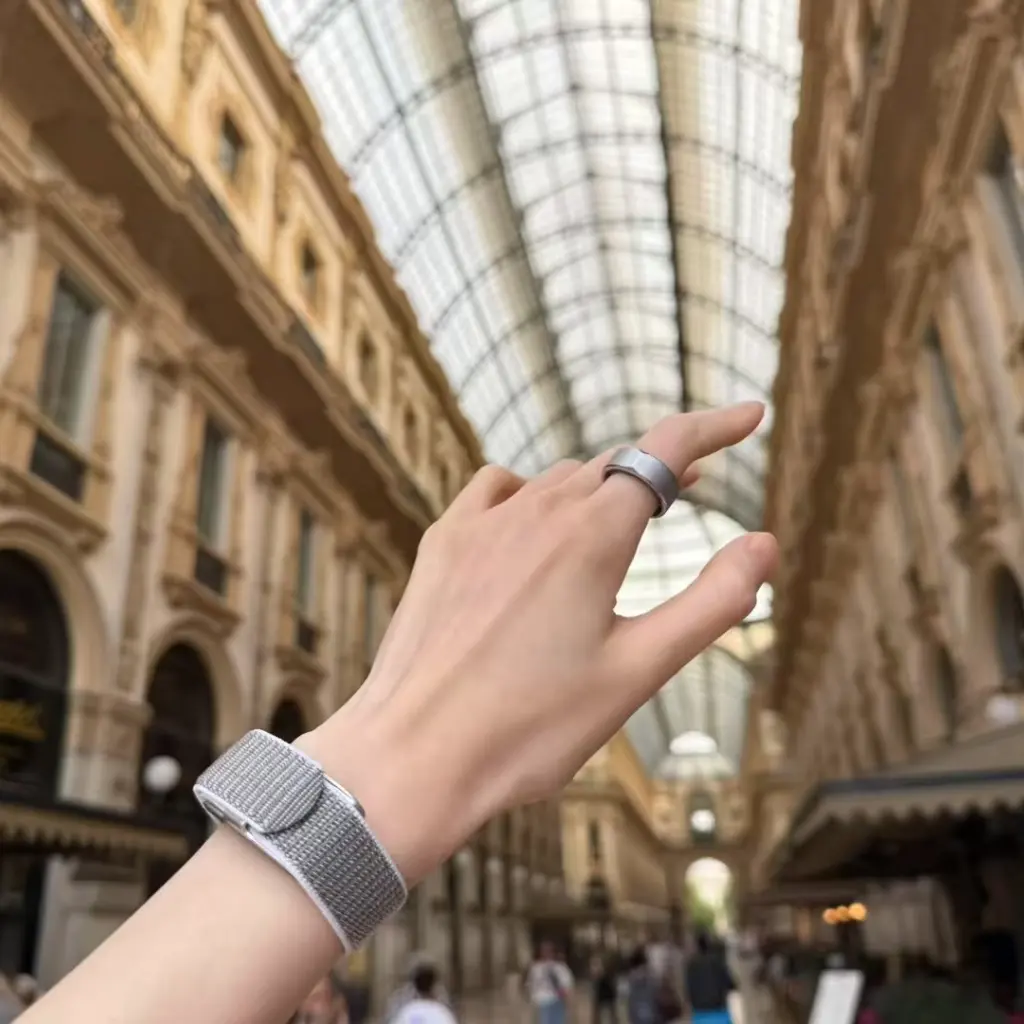
A smart ring is a compact wearable worn on the finger, equipped with biomedical sensors for:
- Heart rate and HRV
- Sleep stages and recovery
- SpO₂ (blood oxygen)
- Skin temperature
- Activity and movement
Smart rings prioritize:
- 24/7 passive health tracking
- Ultra-low power consumption
- High wearing compliance
What Is a Smartwatch?
A smartwatch is a wrist-worn device combining:
- Health tracking
- Notifications
- Apps, screens, and interactions
Smartwatches are multifunctional but face trade-offs in:
- Battery life
- Continuous monitoring
- Long-term wear comfort
What Is a Smart Band?
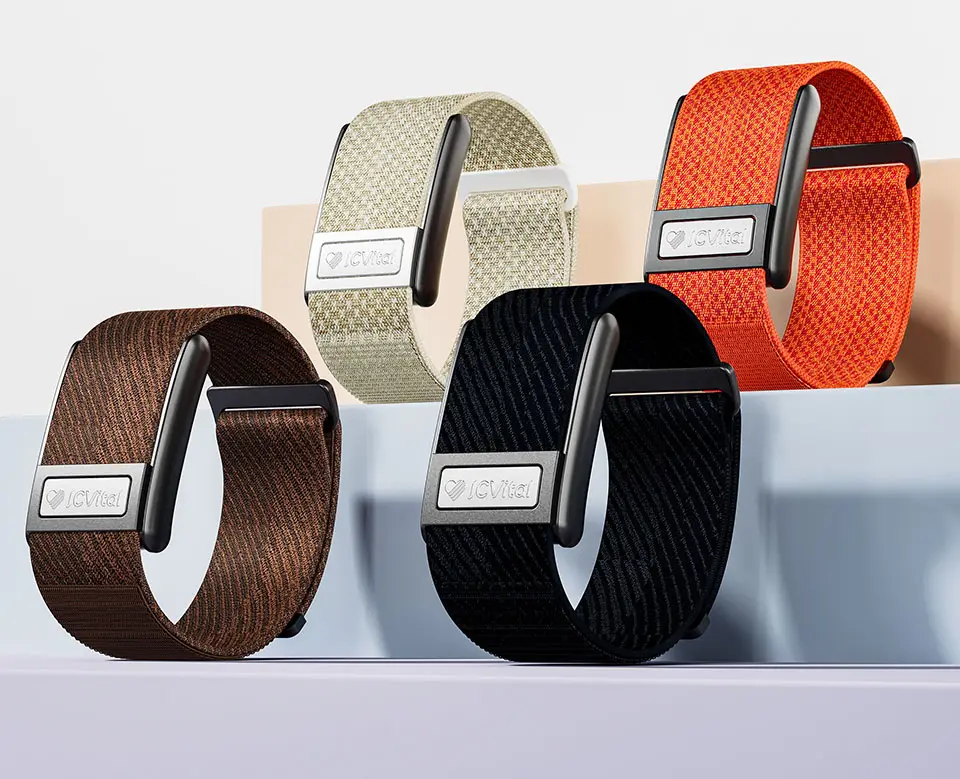
A smart band (or fitness band) sits between rings and watches:
- Focused on health and fitness
- Often screenless or minimal display
- Lower cost and simpler user experience
Smart bands are widely used in:
- Fitness tracking
- Corporate wellness
- Medical and preventive health programs
Smart Ring vs Smartwatch vs Smart Band: Core Comparison
1. Health Data Accuracy & Signal Quality
| Factor | Smart Ring | Smartwatch | Smart Band |
|---|---|---|---|
| Skin contact stability | ★★★★★ | ★★★☆☆ | ★★★★☆ |
| Motion interference | Low | High | Medium |
| Sleep data quality | Excellent | Good | Very Good |
| HRV reliability | High | Medium | Medium–High |
Manufacturer insight:
Smart rings benefit from constant finger contact and lower motion noise, making them especially strong for sleep, HRV, and recovery tracking.

2. Wearing Comfort & Long-Term Compliance
| Use Case | Smart Ring | Smartwatch | Smart Band |
|---|---|---|---|
| 24/7 wear | ★★★★★ | ★★☆☆☆ | ★★★★☆ |
| Sleep comfort | Excellent | Poor–Fair | Good |
| Discreet appearance | Very high | Medium | Medium |
Why this matters:
Health tracking only works if users actually wear the device. From long-term studies and OEM deployments, smart rings consistently show higher compliance, especially for sleep and wellness programs.
3. Battery Life & Power Consumption
| Device Type | Typical Battery Life |
|---|---|
| Smart Ring | 5–10 days |
| Smart Band | 7–14 days |
| Smartwatch | 1–3 days |
Technical reason:
Smart rings and smart bands:
- Use ultra-low-power BLE architectures
- Avoid power-hungry screens
- Focus on background data collection
From a manufacturer’s standpoint, battery life is not a feature—it is a system-level design outcome.
4. Health Metrics Supported
| Metric | Smart Ring | Smartwatch | Smart Band |
|---|---|---|---|
| Heart Rate | ✔ | ✔ | ✔ |
| HRV | ✔✔ | ✔ | ✔✔ |
| SpO₂ | ✔ | ✔ | ✔ |
| Skin Temperature | ✔ | Limited | Limited |
| Sleep Stages | ✔✔ | ✔ | ✔✔ |
| ECG | Optional | Optional | Optional |
Smart ring benefits are most evident in:
- Sleep science
- Recovery analytics
- Stress and readiness scoring
Smart Ring vs Smartwatch: Key Differences for Health Tracking
When a Smart Ring Is the Better Choice
From an OEM perspective, smart rings excel when:
- Continuous health data matters more than interaction
- The product targets sleep, recovery, or preventive health
- Discretion and comfort are critical
- Long battery life is required
Smart ring benefits include:
- Higher data continuity
- Less user fatigue
- Strong differentiation from mass-market watches
When a Smartwatch Makes Sense
Smartwatches are better suited when:
- User interaction and apps are core features
- Notifications and lifestyle functions matter
- Battery life trade-offs are acceptable
However, for pure health tracking, watches often sacrifice data continuity due to charging frequency and inconsistent wear.
Smart Ring vs Smart Band: Which Is Better?
Smart Ring Advantages
- Smaller, more discreet
- Better sleep and recovery tracking
- Higher perceived value for premium health products
Smart Band Advantages
- Lower cost
- Larger battery capacity
- Easier integration for large-scale programs
From a manufacturer’s view:
- Smart rings are ideal for premium, data-driven health products
- Smart bands are ideal for scale, cost-efficiency, and mass deployment
Wearable Health Devices Comparison: Product Strategy View
Instead of asking “Which device is best?”, brands should ask:
Which wearable best fits our health use case, audience, and business model?
Choose a Smart Ring If You Are Building:
- Sleep health solutions
- Stress and HRV platforms
- Recovery and readiness analytics
- Premium wellness or medical-adjacent products
Choose a Smart Band If You Are Building:
- Corporate wellness programs
- Insurance-backed health initiatives
- Family or elderly monitoring
- Cost-sensitive large deployments
Choose a Smartwatch If You Are Building:
- Lifestyle ecosystems
- Consumer tech platforms
- Interaction-heavy applications
OEM & Manufacturing Considerations (What Brands Often Miss)
From a smart ring and smart band manufacturer’s perspective:
Development Complexity
- Smart rings require higher engineering precision
- Power, antenna, and sensor placement are far more constrained
Customization Depth
- Rings: materials, sizes, finishes, algorithms
- Bands: modules, straps, firmware profiles
Time to Market
- ODM smart rings or bands significantly reduce risk
- OEM projects allow deeper differentiation
A reliable manufacturer should guide brands through these trade-offs—not just sell hardware.
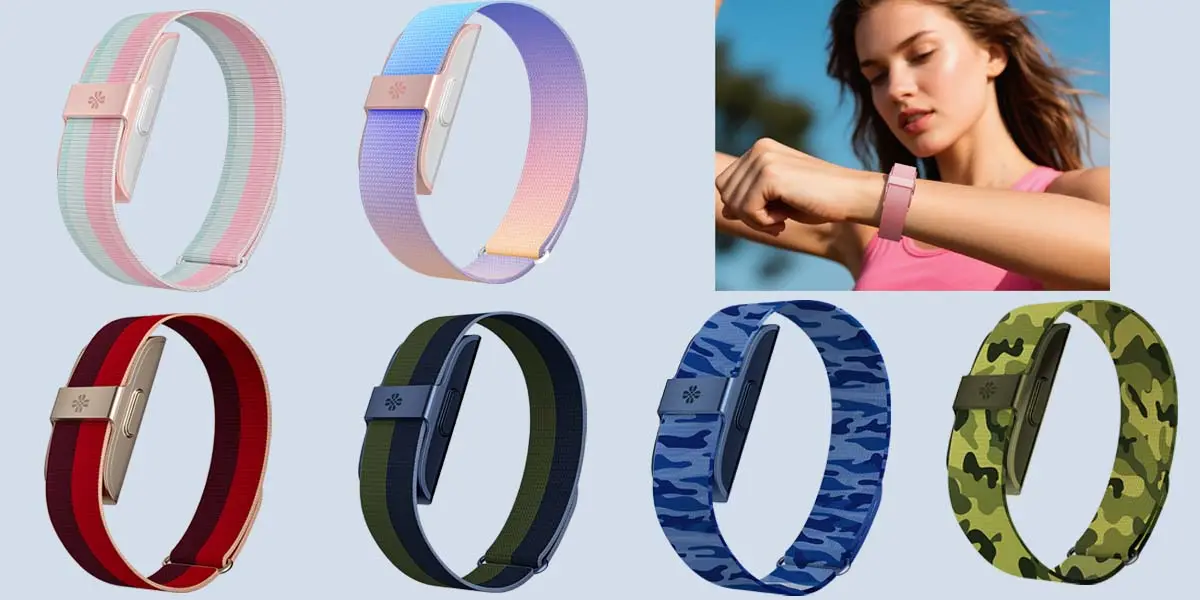
Why More Health Brands Are Choosing Smart Rings
In recent OEM projects, many brands are shifting toward smart rings because they:
- Complement, rather than replace, smartphones and watches
- Deliver higher-quality passive health data
- Fit medical, wellness, and B2B health models better than consumer gadgets
This is why smart rings are increasingly used in:
- Sleep clinics
- Corporate wellness
- Insurance risk assessment
- Preventive health platforms
Conclusion: The Best Health Wearable Depends on the Right Partner
There is no universal “best” wearable—only the best solution for your health use case.
From a manufacturer’s perspective:
- Smart rings lead in passive, long-term health tracking
- Smart bands balance cost and scalability
- Smartwatches prioritize interaction over continuity
The key is working with an OEM/ODM partner who understands health data, hardware constraints, algorithms, and compliance—not just consumer electronics.
About J-STYLE: Smart Ring & Smart Band OEM/ODM Solutions
J-STYLE (Jointcorp / Youhong Medical) is a professional manufacturer specializing in:
- Smart ring OEM & ODM
- Smart band and screenless wearable solutions
- Health-grade sensors and algorithms
- Ultra-low-power wearable systems
- Global certification and mass production
We help brands choose the right wearable form factor, not just build devices.
About the Author

Kyler is a senior content marketing specialist at J-Style(Jointcorp|Joint Chinese Ltd | Youhong Medical), a leading smart ring, smart band, and smart watch manufacturer and supplier in China. With 8 years of experience in the wearable tech industry, he creates professional content for global B2B buyers seeking reliable factory, wholesale, OEM/ODM, and SDK/API solutions. At J-Style, Kyler focuses on helping partners understand the value of high-quality Chinese smart wearables and how J-Style’s innovative manufacturing capabilities support scalable business growth.
Related Articles
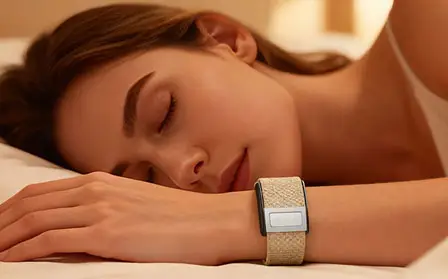
Smart Band Price Guide: How Much Does a Smart Band Cost in 2026?
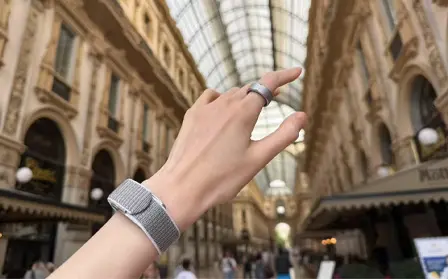
Smart Ring vs Smartwatch vs Smart Band: Which Is Best for Health Tracking?
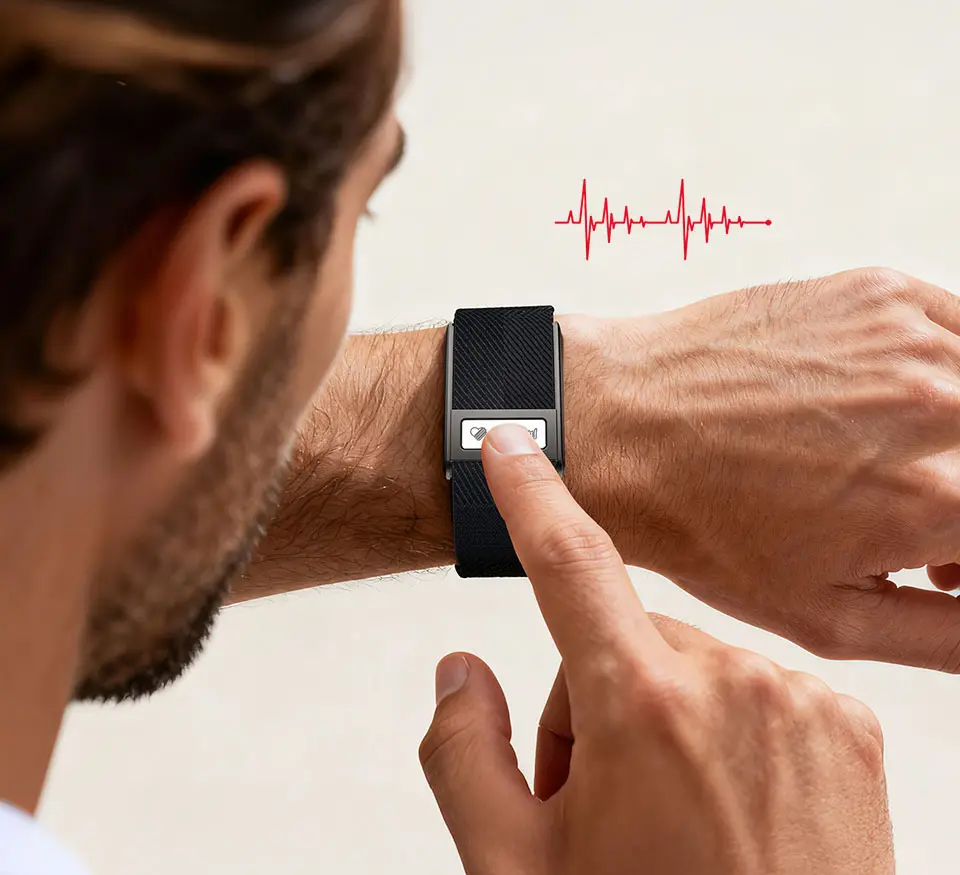
PPG vs ECG: Which Is More Accurate? A Deep Dive Into Global Wearable Health Monitoring Technologies