


Updated 2 months ago
The Ultimate Guide to Smart Fitness Bands: Features, Brands, and How to Choose 2025
youhong

In an era where health consciousness meets technological innovation, the smart fitness band has evolved from a simple step counter into a powerful wearable that sits at the intersection of fitness, health, and convenience. With so many models and features available, choosing the right one can be overwhelming.
This J-STYLE ultimate guide is designed to be your one-stop resource. We will demystify smart fitness bands, explore their capabilities in depth, compare the leading brands, and provide a clear framework to help you make the smartest purchase for your needs.

Chapter 1: What is a Smart Fitness Band? Evolution and Core Value
1.1 Defining the Smart Fitness Band
A smart fitness band (or fitness tracker) is a wearable device, typically worn on the wrist, designed to monitor, record, and analyze personal data related to your physical activity, health metrics, and sleep. It syncs with a smartphone app to provide insightful summaries and long-term trends, empowering you to make more informed decisions about your well-being.
1.2 A Brief History: From Pedometer to Health Partner
The journey began with basic pedometers that simply counted steps. The modern fitness band emerged with the integration of accelerometers, optical heart rate sensors, and sophisticated algorithms. Today, they are comprehensive health companions capable of tracking sleep stages, blood oxygen, stress levels, and more, representing a significant leap in accessible personal health technology.
1.3 Fitness Band vs. Smartwatch: Which One is Right for You?
This is a common dilemma. The line is blurring, but key differences remain. Here’s a quick comparison:
| Feature | Smart Fitness Band | Smartwatch |
| Primary Focus | Health & Fitness Tracking | Connectivity & Apps |
| Price | Generally Affordable | Mid-Range to Expensive |
| Battery Life | Excellent (7-14+ days) | Short (1-2 days) |
| Display | Smaller, often monochrome | Larger, high-resolution color |
| Functionality | Notifications, basic controls | Calls, full apps, music storage |
| Best For | Core health metrics, long battery, budget | Extensive features, standalone use, style |
The Verdict: If your priority is long battery life, core health monitoring, and high value for money, a fitness band is your best bet. If you want a mini-computer on your wrist with robust apps, calling, and a premium look, a smartwatch is the way to go.
Chapter 2: Core Features Deep Dive: What Can a Fitness Band Actually Do?
2.1 Activity Tracking: Beyond Step Counting
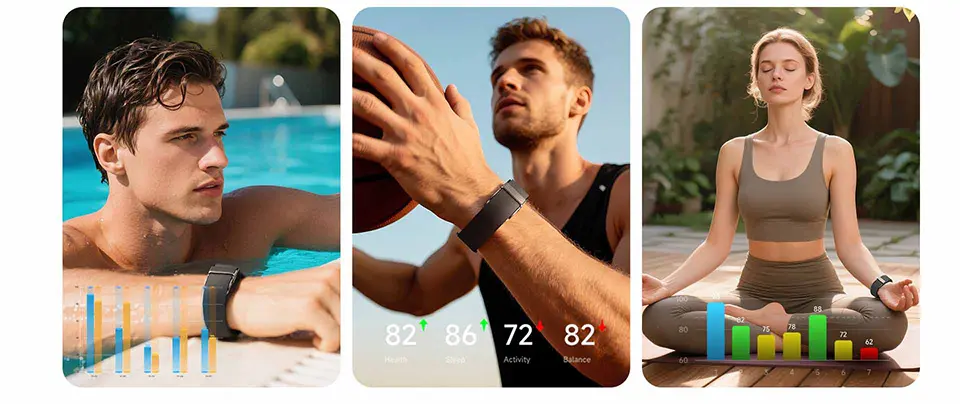
Modern bands do much more than count steps. They accurately track distance traveled and calories burned. Crucially, they offer multiple dedicated sport modes (like running, swimming, cycling, yoga) that tailor metrics to the specific activity, providing more meaningful data for your workouts.
2.2 Health Monitoring: Your Wellness Guardian on the Wrist
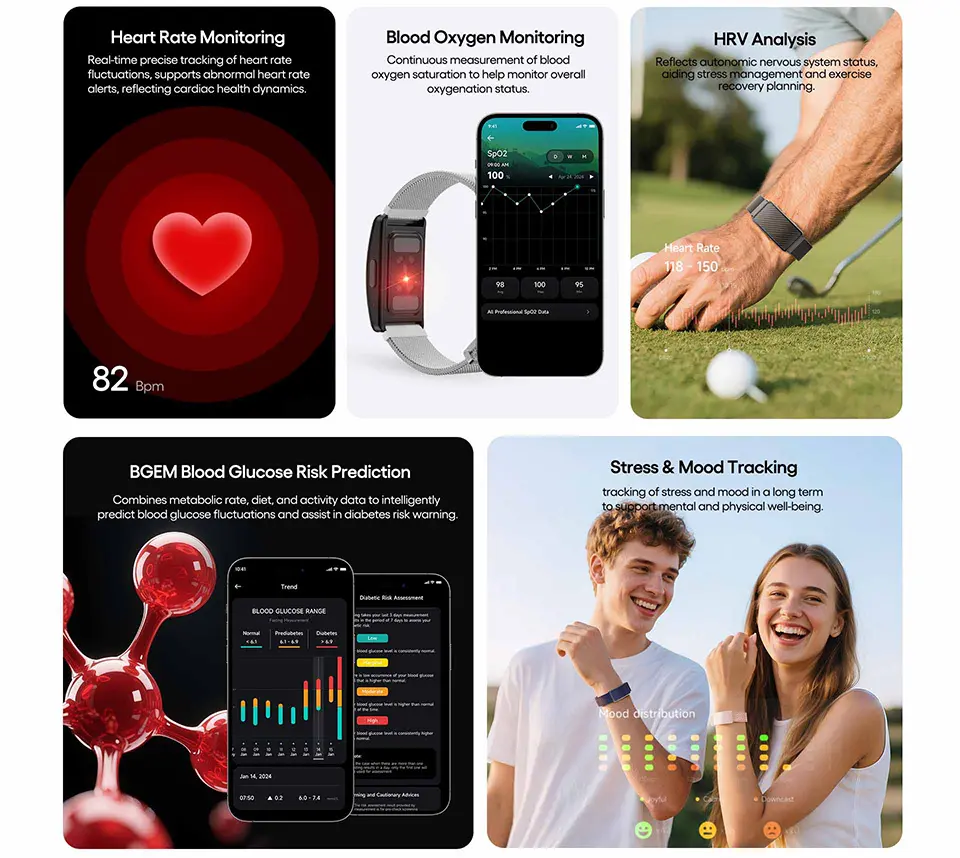
- Heart Rate Monitoring: Tracks your heart rate 24/7, measures your resting heart rate (a key health indicator), alerts you to high/low heart rates, and monitors heart rate variability (HRV) for recovery insights.
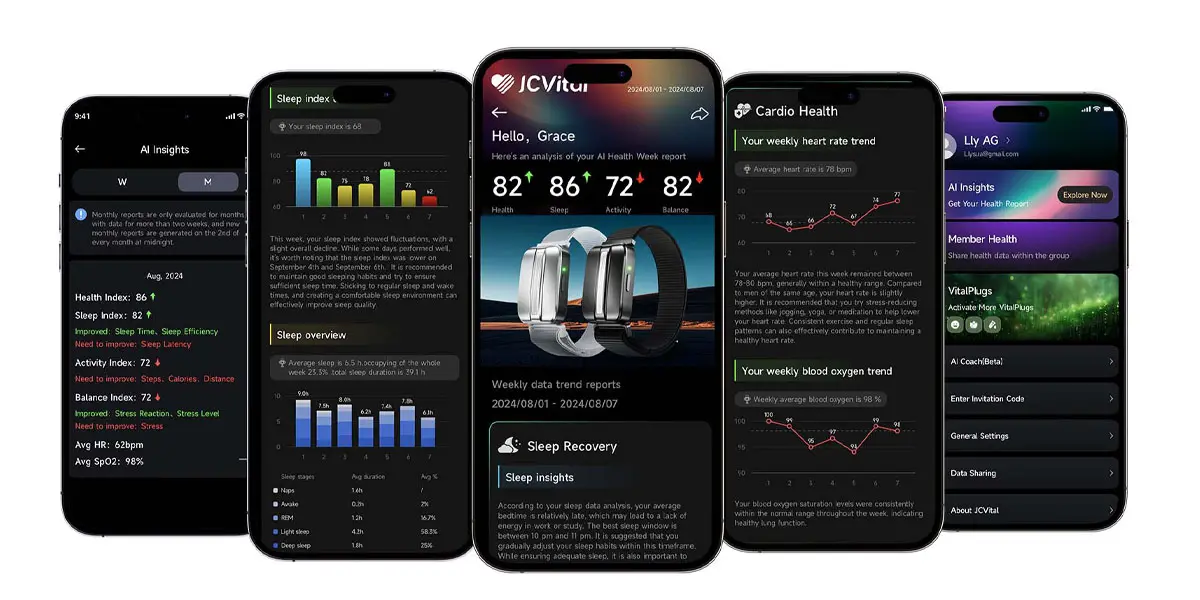
- Sleep Monitoring: Analyzes your sleep cycles (light, deep, REM) and provides a sleep score. This data helps you understand sleep quality and offers suggestions for improvement.
- Blood Oxygen (SpO2) Monitoring: Measures the oxygen saturation in your blood. This is particularly useful for assessing overall respiratory health and is often used by snorers or those tracking performance at high altitudes.
- Stress Monitoring: Uses heart rate data and HRV to estimate your stress levels, often prompting you to take a moment for guided breathing exercises.
- Women's Health Tracking: Allows users to log and predict menstrual cycles and ovulation periods.
2.3 Smart Notifications & Lifestyle Assistance
Stay connected without constantly checking your phone. Bands display call, text, and app notifications. Many also allow you to control your phone's music, use the band as a camera shutter remote, and feature NFC for contactless payments and transit cards. Additional utilities include weather forecasts, sedentary reminders, alarms, and a "find my phone" function.
2.4 Battery Life & Charging: Freedom from the Outlet
One of the biggest advantages over smartwatches is battery life. Most bands last between one and two weeks on a single charge, thanks to their efficient processors and simpler displays. Charging is typically done via a compact magnetic or puck-style charger.
Chapter 3: The Ultimate Buying Guide: How to Choose Your Perfect Band
3.1 Identify Your Primary Needs
- For the Everyday User / Senior: Prioritize heart rate, sleep tracking, step counting, long battery life, and a simple, readable interface.
- For the Fitness Enthusiast: Look for a wide range of sport modes, connected or built-in GPS, high waterproof ratings (5ATM+), and accurate data.
- For the Health-Conscious Individual: Focus on advanced metrics like SpO2, stress tracking, and the depth of health insights provided by the companion app.
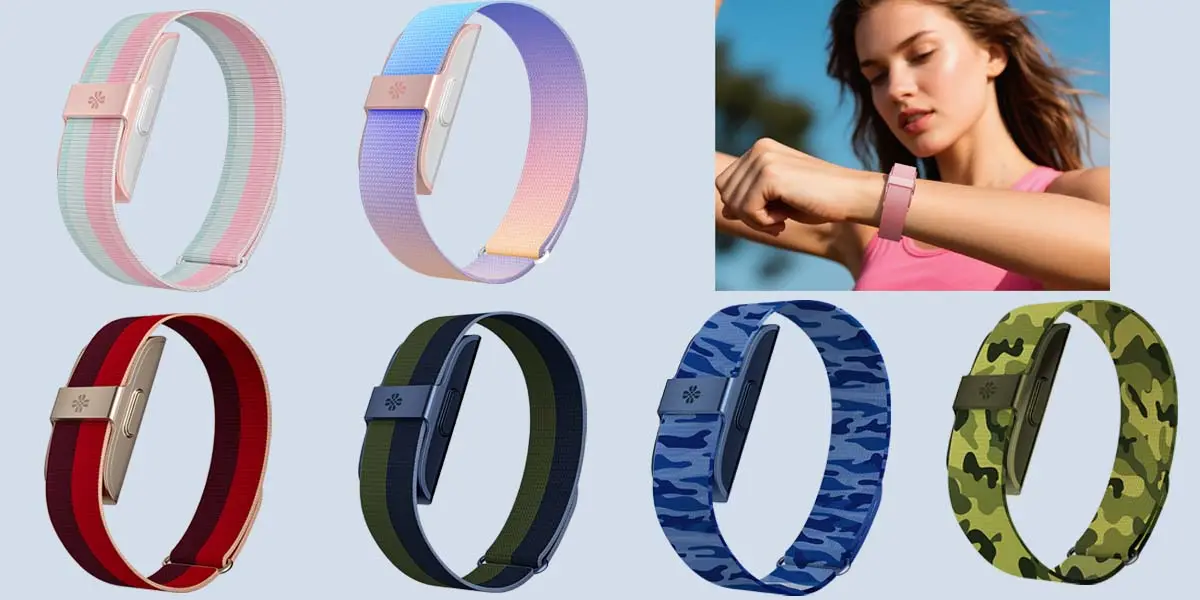
- For the Style-Conscious User: Consider aesthetic design, premium band materials, a bright AMOLED display, and a wide selection of customizable watch faces.
3.2 Key Specifications to Consider
Compatibility: Ensure it works seamlessly with your iOS or Android phone.
Display: AMOLED offers vibrant colors and deep blacks, while Memory LCD is functional and power-efficient. Consider always-on display options.
Water Resistance: IP67 is dust and water-resistant (rain, splashes). 5ATM or 50-meter rating means it's suitable for swimming and showering.
GPS: Connected GPS uses your phone's signal. Built-in GPS allows you to track outdoor workouts without your phone, which is great for runners.
Data Accuracy: Be aware that no consumer tracker is 100% medically accurate. They are excellent for tracking trends. Read professional reviews for accuracy comparisons.
Brand Ecosystem: Bands often work best with smartphones from the same brand (e.g., Huawei Band with Huawei phones) for a more integrated experience.
Chapter 4: Overview of Mainstream Brands and Series
Xiaomi / Amazfit: Known as the "King of Value." They offer feature-packed bands at very aggressive prices, making technology accessible to everyone.
Huawei / Honor: These brands deeply invest in health technology. Their bands often feature sophisticated algorithms and provide professional-grade data interpretation and health reports.
Fitbit (by Google): A pioneer in the health space. Fitbit boasts mature algorithms, a strong community platform, and a reputation for reliable health and sleep tracking.
Samsung: Samsung's Galaxy Fit series offers excellent design and seamless integration within the Galaxy ecosystem, providing a smooth user experience for Samsung phone owners.
Chapter 5: Frequently Asked Questions (FAQ)
Q1: How accurate is the data from a fitness band? Can it replace a medical device?
A: The data is best used for trend analysis and personal reference. While modern sensors are impressive, these devices are not medical-grade and should not be used for medical diagnosis. Always consult a healthcare professional for health concerns.
Q2: What do the waterproof ratings mean? Can I swim with it?
A: IP68 means it can survive splashes and rain. For swimming, you need a rating of 5ATM (or 50 meters) or higher. Always check the manufacturer's specifications.
Q3: How often do I need to charge my band?
A: Most modern bands need charging only once every 7 to 14 days, far less frequently than a smartwatch.
Q4: Does my phone's brand affect the band's performance?
A: While most bands work with both iOS and Android, you often get the most seamless experience and the full feature set by pairing a band with a phone from the same brand.
Q5: What about my data privacy and security?
A: Reputable brands have clear data privacy policies. We recommend you review the privacy settings in the companion app and read the company's data policy to understand how your health information is used and stored.
Conclusion
The smart fitness band has cemented its role as a central tool for modern, health-focused living. It’s a personal coach, a sleep consultant, and a wellness guardian, all strapped comfortably to your wrist.
By understanding your own needs and using this guide to navigate the features and brands, you are now equipped to choose a device that will genuinely enhance your lifestyle. It’s not about getting the band with the most features, but the one with the right features for you.
We hope this guide was helpful! Do you have any questions, or have you decided on a band? Let us know in the comments below, and explore J-STYLE for more expert guides on technology and modern living.
About the Author

Kyler is a senior content marketing specialist at J-Style(Jointcorp|Joint Chinese Ltd | Youhong Medical), a leading smart ring, smart band, and smart watch manufacturer and supplier in China. With 8 years of experience in the wearable tech industry, he creates professional content for global B2B buyers seeking reliable factory, wholesale, OEM/ODM, and SDK/API solutions. At J-Style, Kyler focuses on helping partners understand the value of high-quality Chinese smart wearables and how J-Style’s innovative manufacturing capabilities support scalable business growth.
Related Articles

Smart Ring Manufacturer: How to Choose a Reliable OEM & ODM Partner

Smart Band OEM & ODM: A Complete Customization Guide for Brands

AI Is Reshaping the Infrastructure of Digital Health:Why J-STYLE Was Spotlighted by CES and Reuters