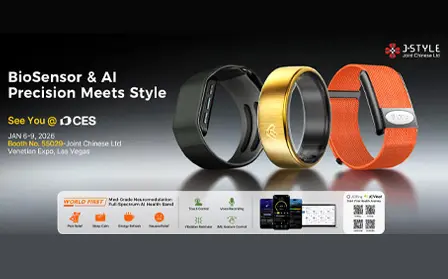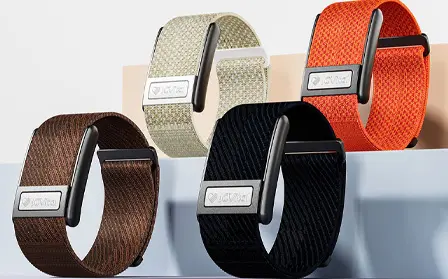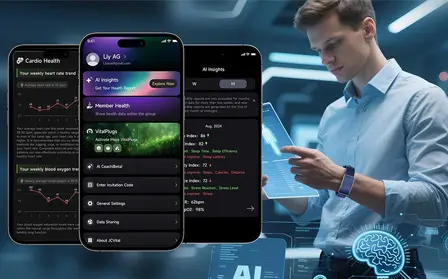



Smart rings are rapidly emerging as one of the most discreet and powerful forms of health wearables. Unlike smartwatches or fitness bands, smart rings are designed to be worn comfortably on the finger 24/7 while continuously collecting valuable health data. But what exactly is a smart ring, and how does it work?
In this in-depth guide, we will explain everything you need to know about smart rings—from their core technology and sensors to health tracking capabilities, accuracy, use cases, and future potential in healthcare and medical monitoring.
Whether you are a consumer, a healthcare provider, or a brand exploring smart ring OEM solutions, this article provides a complete, science-based overview.

What Is a Smart Ring?
Definition of a Smart Ring
A smart ring is a compact wearable device designed in the form of a traditional ring that integrates advanced sensors, wireless connectivity, and data analytics to monitor health and activity metrics.
Unlike decorative rings, smart rings function as health wearables, capable of tracking physiological signals such as heart rate, sleep patterns, activity levels, temperature changes, and recovery indicators—all without a screen.
Smart rings are often categorized as:
- Health smart rings
- Medical smart rings (wellness-focused)
- Smart rings for sleep and recovery
- Smart rings for women’s health
Because they are worn on the finger—one of the most vascularized parts of the body—smart rings can capture physiological signals with high signal quality and consistency.

What Can a Smart Ring Do?
A modern smart ring supports continuous health tracking with minimal user interaction. Common functions include:
- Sleep tracking (duration, stages, quality)
- Heart rate monitoring
- Heart rate variability (HRV) analysis
- Activity tracking (steps, movement, energy expenditure)
- Body temperature trend detection
- Stress and recovery insights
- Women’s health monitoring (cycle trends, ovulation indicators)
- Long-term wellness analytics
Because smart rings are lightweight, waterproof, and screenless, users are more likely to wear them consistently—especially during sleep, when many critical health metrics are measured.

How Does a Smart Ring Work?
Understanding how a smart ring works requires looking inside the device—at its sensors, data processing, and connectivity.
Core Sensors Inside a Smart Ring
Despite their small size, smart rings contain highly sophisticated sensor systems:
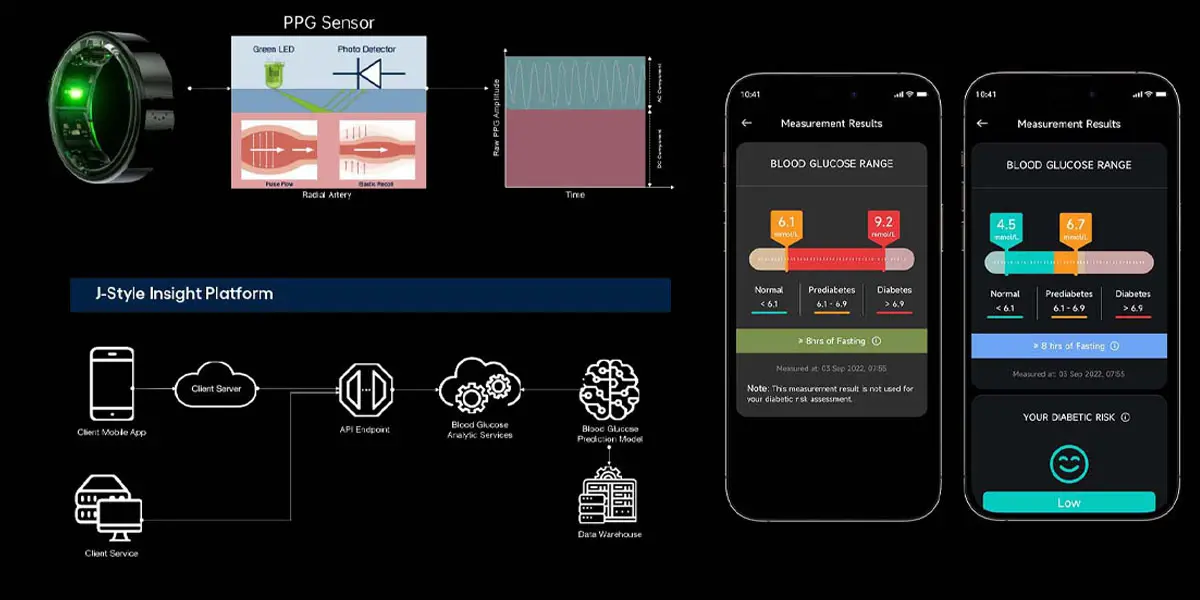
1. PPG Sensor (Photoplethysmography)
The PPG sensor uses light to detect blood volume changes in the finger. This enables:
- Heart rate monitoring
- HRV analysis
- Blood oxygen trend estimation (SpO₂ trends)
Because finger arteries are close to the skin surface, PPG signals from smart rings are often cleaner than wrist-based measurements.
2. Temperature Sensor
Smart rings track skin temperature variations, which are useful for:
- Sleep quality analysis
- Recovery assessment
- Illness trend detection
- Women’s health insights (menstrual cycle trends)
Rather than measuring absolute body temperature, smart rings analyze temperature deviations over time, which provides more meaningful health insights.
3. Accelerometer & Motion Sensors
These sensors detect:
- Steps and movement
- Activity intensity
- Sleep posture and restlessness
Motion data is essential for distinguishing between sleep stages, sedentary behavior, and physical activity.
4. Optional Advanced Sensors
Some smart rings may integrate or prepare for:
- ECG signal capture (future-ready designs)
- Enhanced bioimpedance sensing
- Multi-wavelength optical sensors
How Smart Rings Collect Health Data
Smart rings continuously collect raw physiological signals while being worn on the finger. Compared to wrist wearables, finger-based measurement offers several advantages:
- Higher blood flow density
- Less motion noise during sleep
- More stable overnight contact
- Better signal consistency
Because smart rings are typically worn 24/7, they enable continuous, longitudinal health monitoring, which is critical for identifying trends rather than isolated measurements.
How Smart Rings Process and Analyze Data
Once collected, data flows through several layers:
- On-device processing
Raw sensor data is pre-processed using embedded algorithms. - Bluetooth Low Energy (BLE) transmission
Data is securely transmitted to a smartphone or gateway device using ultra-low power BLE technology. - Mobile app & cloud analytics
Advanced algorithms analyze trends, patterns, and correlations. - AI-driven insights
Machine learning models interpret data to provide actionable insights, such as recovery readiness or sleep quality scores.
This architecture allows smart rings to maintain long battery life while delivering rich health analytics.
What Health Metrics Can a Smart Ring Track?
Sleep Tracking with Smart Rings
Sleep tracking is one of the strongest use cases for smart rings.
Smart rings can analyze:
- Total sleep duration
- Sleep stages (light, deep, REM)
- Sleep efficiency
- Nighttime heart rate
- Sleep consistency over time
Because smart rings are unobtrusive and comfortable, users are more likely to wear them throughout the night—leading to more accurate and complete sleep data.
Heart Rate and HRV MonitoringSmart rings continuously measure:
- Resting heart rate
- Nighttime heart rate trends
- Heart rate variability (HRV)
HRV is a key indicator of:
- Stress levels
- Recovery status
- Autonomic nervous system balance
HRV tracking is widely used in sports science, wellness programs, and preventive healthcare.
Activity and Recovery Tracking
While smart rings are not designed for intense real-time sports displays, they excel at:
- Daily activity tracking
- Step counts
- Low-intensity movement detection
- Recovery analysis
By combining activity data with sleep and HRV metrics, smart rings provide a holistic picture of physical readiness.
Temperature Trends and Women’s Health Insights
Smart rings are increasingly used for:
- Menstrual cycle trend analysis
- Ovulation pattern insights
- Early detection of physiological changes
Continuous temperature tracking allows smart rings to identify subtle changes that may not be noticeable through spot measurements.
Smart Ring vs Smart Watch: What’s the Difference?
Smart rings and smartwatches both belong to the wearable ecosystem, but they serve different needs.
| Feature | Smart Ring | Smart Watch |
| Comfort | Extremely lightweight | Heavier |
| Sleep tracking | Excellent | Often removed at night |
| Battery life | 5–10 days (typical) | 1–2 days |
| Screen | No screen | Full display |
| Discretion | Very high | Moderate |
| Health focus | Long-term trends | Real-time interaction |
Smart rings are ideal for users who prioritize comfort, sleep tracking, and continuous health monitoring, while smartwatches are better suited for real-time notifications and sports interfaces.
Are Smart Rings Accurate for Health Monitoring?
Accuracy of Smart Ring Sensors
Smart ring accuracy depends on several factors:
- Sensor quality
- Ring fit and sizing
- Algorithm calibration
- Data filtering methods
When properly designed, smart rings can deliver highly reliable trend-based insights, particularly for sleep, resting heart rate, and HRV.
Can Smart Rings Be Used for Medical Purposes?
Most smart rings today are classified as wellness devices, not diagnostic medical devices. However, they play an increasingly important role in:
- Preventive healthcare
- Remote patient monitoring (RPM)
- Long-term health trend analysis
- Post-treatment recovery observation
Some manufacturers collaborate with healthcare institutions to conduct clinical validation studies, bridging the gap between consumer wearables and medical-grade monitoring.
Who Should Use a Smart Ring?
Consumers and Wellness Users
- People focused on sleep improvement
- Stress and recovery optimization
- Lifestyle health tracking
Women’s Health Management
- Cycle trend analysis
- Hormonal pattern insights
- Non-invasive daily monitoring
Healthcare and Remote Monitoring
- Long-term patient observation
- Chronic condition management support
- Data-driven preventive care
Corporate and Insurance Programs
- Workforce wellness programs
- Health data-driven incentives
- Risk reduction initiatives
Battery Life, Comfort, and Design Considerations
Smart rings are engineered for ultra-low power consumption, enabling multi-day battery life.
Key design considerations include:
- BLE optimization
- Medical-grade materials
- Waterproof construction
- Multiple ring sizes for accuracy and comfort
Comfort and fit are essential—not only for user experience but also for data accuracy.
The Future of Smart Rings in Healthcare
Smart rings are evolving beyond consumer wellness into broader healthcare ecosystems. Future developments include:
- Deeper AI-driven health prediction
- Integration with telemedicine platforms
- Enhanced sensor fusion
- Regulatory-approved medical applications
As healthcare shifts toward continuous, preventive, and personalized models, smart rings are well-positioned to become core monitoring tools.
Smart Ring OEM and Customization: What Brands Should Know
As demand grows, many brands choose to launch smart rings through OEM or ODM partnerships rather than building technology from scratch.
Key considerations when selecting a smart ring manufacturer include:
- Sensor and algorithm capabilities
- Manufacturing and quality systems
- Medical device experience
- Data security and compliance readiness
- Customization flexibility
Experienced wearable manufacturers with in-house R&D and medical background can significantly reduce development risk and time to market.
Conclusion: Why Smart Rings Are the Future of Health Wearables
Smart rings represent a major evolution in wearable health technology. By combining comfort, advanced sensing, and continuous data collection, they enable deeper insights into sleep, recovery, and long-term health trends.
As technology advances and healthcare models evolve, smart rings are poised to play an increasingly important role in preventive healthcare, remote monitoring, and personalized wellness.
Frequently Asked Questions (FAQ)
What is a smart ring used for?
Smart rings are used for health tracking, including sleep, heart rate, HRV, activity, and wellness insights.
How does a smart ring track sleep?
Smart rings combine motion, heart rate, and temperature data to analyze sleep stages and quality.
Are smart rings safe to wear all day?
Yes, smart rings are designed for continuous, low-energy use and daily wear.
Can smart rings replace smartwatches?
They serve different purposes—smart rings focus on passive health monitoring, while smartwatches emphasize interaction.
Are smart rings suitable for medical use?
While most are wellness devices, smart rings are increasingly used in healthcare monitoring and research.
About the Author

Kyler is a senior content marketing specialist at J-Style(Jointcorp|Joint Chinese Ltd | Youhong Medical), a leading smart ring, smart band, and smart watch manufacturer and supplier in China. With 8 years of experience in the wearable tech industry, he creates professional content for global B2B buyers seeking reliable factory, wholesale, OEM/ODM, and SDK/API solutions. At J-Style, Kyler focuses on helping partners understand the value of high-quality Chinese smart wearables and how J-Style’s innovative manufacturing capabilities support scalable business growth.