

Updated 4 days ago
What Is ECG and How Is It Used in Wearables? A Complete Guide for 2026
youhong
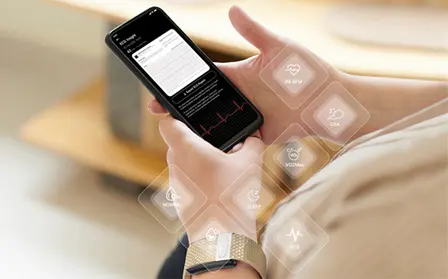
In 2026, the global wearable market has reached a pivotal turning point: the shift from basic fitness tracking to proactive medical intelligence. At the heart of this evolution is ECG (Electrocardiogram) technology. No longer confined to bulky hospital machinery, ECG sensors have shrunk into elegant smart rings and ultra-light bands, transforming how we detect cardiac risks and manage longevity. This guide explores how wearable ECG is redefining the foundation of modern health management.
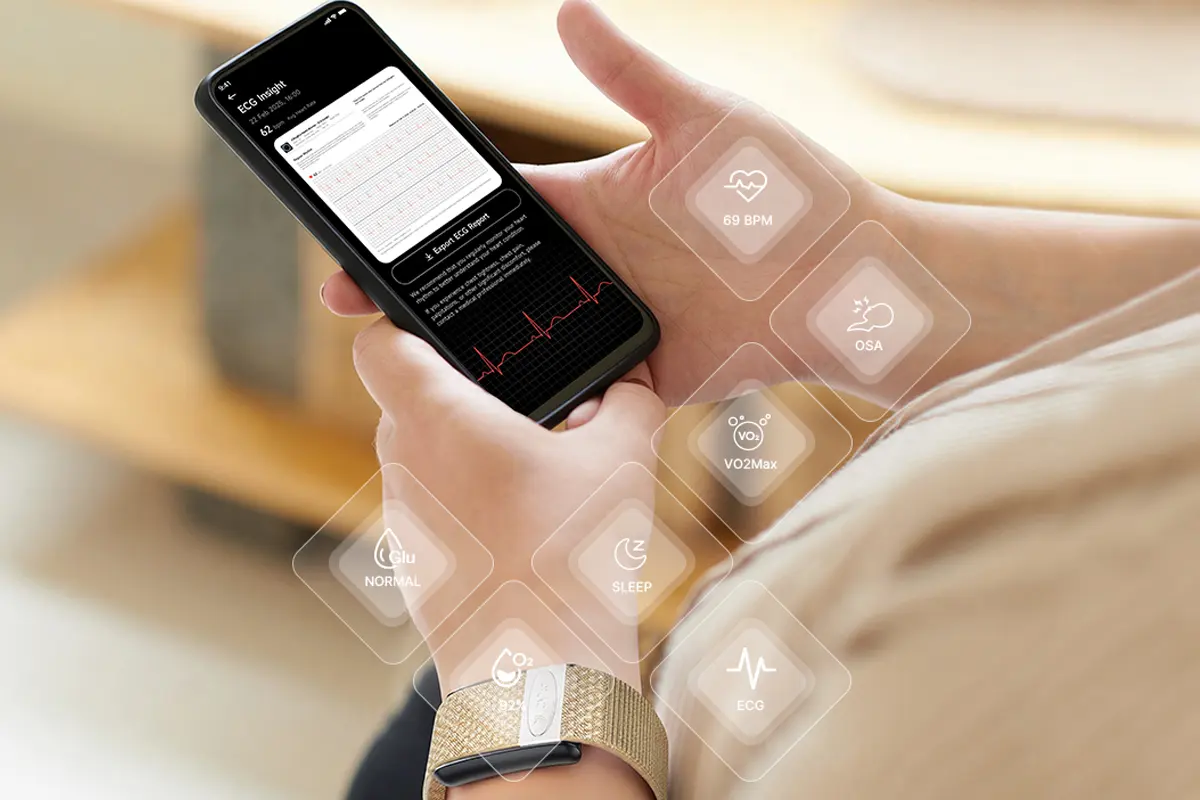
Table of Contents
- What Is ECG (Electrocardiogram)?
- How ECG Works: The Science Behind Heart Signal Monitoring
- ECG vs Heart Rate Monitoring: What’s the Difference?
- Why ECG Matters in Wearable Health Technology
- How ECG Is Used in Wearables
- ECG Smart Bands
- ECG Smart Rings
- ECG Smart Watches
- What Health Insights Can Wearable ECG Provide?
- Medical-Grade vs Consumer ECG Wearables
- Key Challenges in Wearable ECG Technology
- How J-STYLE Enables Scalable ECG Wearables for Brands
- Future Trends: ECG as the Foundation of Long-Term Health Management
- Frequently Asked Questions (FAQ)
1. What Is ECG (Electrocardiogram)?
An ECG (Electrocardiogram) is a method of recording the electrical activity of the heart. Each heartbeat generates electrical signals that can be captured by electrodes placed on the skin. These signals reflect how well the heart’s electrical system is functioning.
Traditionally, ECG tests were performed in hospitals using bulky equipment. Today, advances in wearable ECG sensors allow continuous and on-demand ECG monitoring through compact devices such as smart bands, smart rings, and smart watches.
2. How ECG Works: The Science Behind Heart Signal Monitoring
ECG measures the heart’s electrical impulses as they travel through cardiac muscle. A typical ECG waveform includes:
- P wave – atrial depolarization
- QRS complex – ventricular depolarization
- T wave – ventricular repolarization
Wearable ECG devices detect these signals using skin-contact electrodes, then process them through algorithms to identify rhythm patterns, irregularities, and trends.
In modern wearables, ECG data is often combined with PPG, HRV, temperature, and motion data, enabling deeper physiological interpretation.
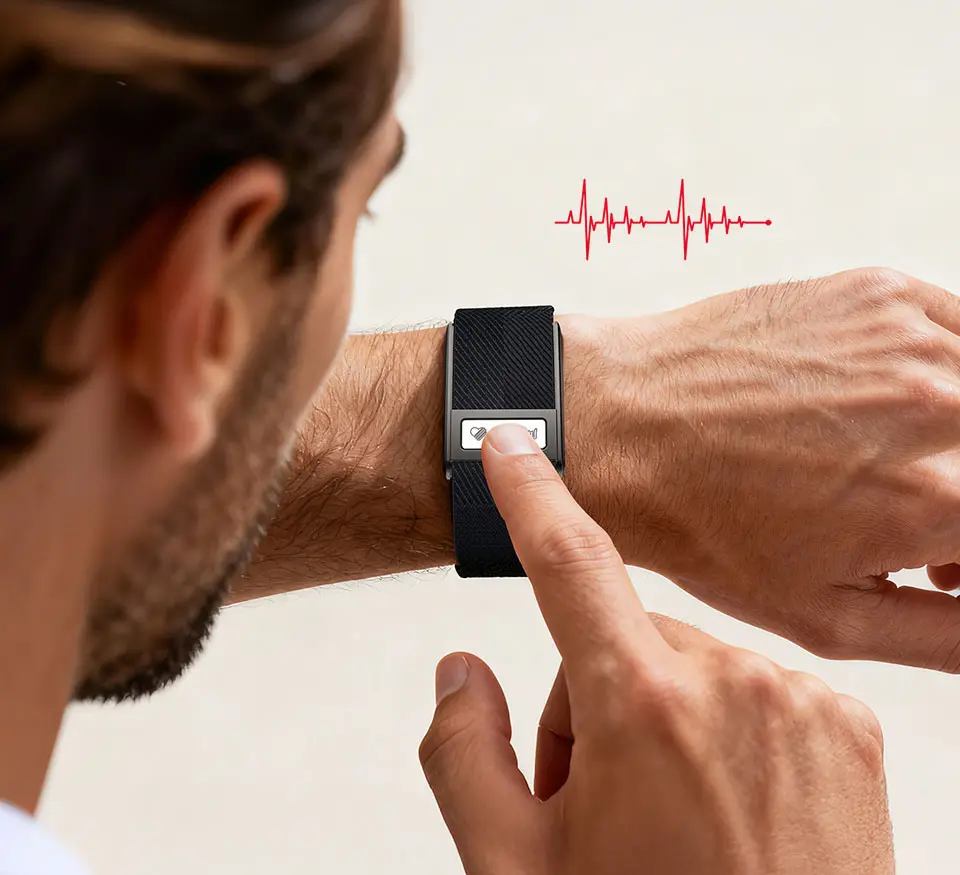
3. ECG vs Heart Rate Monitoring: What’s the Difference?
This is a critical distinction for both users and brands.
| Feature | Heart Rate (PPG) | ECG |
|---|---|---|
| Measures | Blood volume changes | Electrical heart signals |
| Accuracy | Good for trends | High precision |
| Detects arrhythmia | Limited | Yes |
| Medical relevance | Moderate | High |
| Use cases | Fitness, recovery | Cardiac screening, risk detection |
ECG monitoring wearables go beyond basic heart rate tracking by providing clinically meaningful heart rhythm insights, making them essential for advanced health management.
4. Why ECG Matters in Wearable Health Technology
ECG has become a cornerstone feature in next-generation wearables because it enables:
- Early detection of irregular heart rhythms
- Longitudinal heart health trend analysis
- Stress and recovery correlation with cardiac signals
- Support for chronic condition monitoring
- Preventive health and aging management
As wearables shift from fitness gadgets to health infrastructure, ECG is increasingly viewed as a must-have sensor.
5. How ECG Is Used in Wearables
ECG Smart Bands
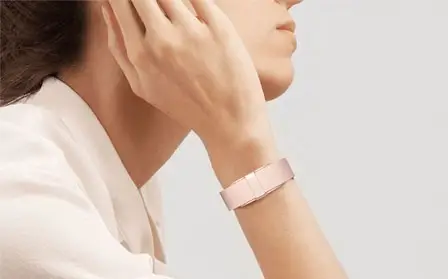
ECG smart bands provide a balance between usability and signal quality. With optimized electrode placement and secure skin contact, bands can deliver reliable single-lead ECG readings suitable for daily and enterprise health applications.
ECG Smart Rings
Smart rings offer exceptional signal stability due to finger-based measurement, where blood flow and pulse signals are strong. ECG smart rings are ideal for continuous, unobtrusive monitoring, especially during sleep and long-term wear.
ECG Smart Watches
Watches often combine ECG with multiple sensors and displays, making them suitable for active users. However, size, battery life, and long-term wear comfort can be limiting factors.
6. What Health Insights Can Wearable ECG Provide?
Modern ECG wearables can support:
- Heart rhythm irregularity detection
- Resting and recovery cardiac analysis
- Stress and autonomic nervous system insights
- Sleep-related cardiac behavior monitoring
- Long-term cardiovascular trend tracking
When combined with AI-driven analytics, ECG data can support health risk prediction and lifestyle optimization, not just raw data reporting.
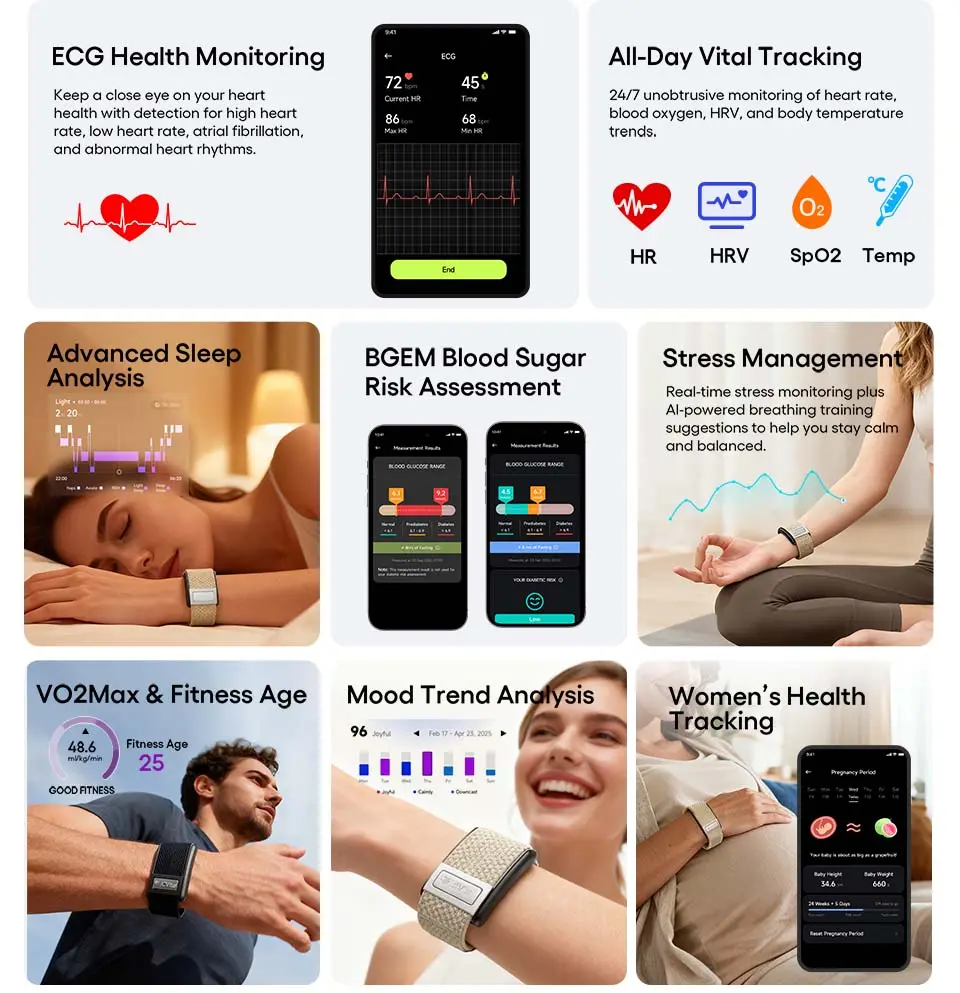
7. Medical-Grade vs Consumer ECG Wearables
Not all ECG wearables are created equal.
Medical-grade ECG wearables typically offer:
- Higher signal fidelity
- Clinically validated algorithms
- Regulatory-aligned data handling
- Stronger suitability for healthcare and insurance use cases
Consumer-grade ECG wearables focus more on lifestyle and fitness insights.
For brands targeting healthcare, corporate wellness, or insurance markets, medical-grade ECG capability is a key differentiator.
8. Key Challenges in Wearable ECG Technology
Developing ECG-enabled wearables involves several challenges:
- Maintaining stable skin contact
- Reducing motion artifacts
- Ensuring signal accuracy across skin types
- Managing battery consumption
- Scaling data interpretation through AI
This is why ECG is not just a sensor decision—it’s a system-level capability involving hardware, algorithms, and data platforms.
9. How J-STYLE Enables Scalable ECG Wearables for Brands
J-STYLE supports brands and solution providers with end-to-end ECG wearable development, including:
- ECG-enabled smart bands and smart rings
- Optimized electrode and sensor architecture
- AI-driven ECG signal processing
- Multi-device data integration
- SDK, API, and platform-level customization
By combining device, data, and platform, J-STYLE enables brands to launch ECG wearables that are scalable, reliable, and aligned with long-term health management strategies.
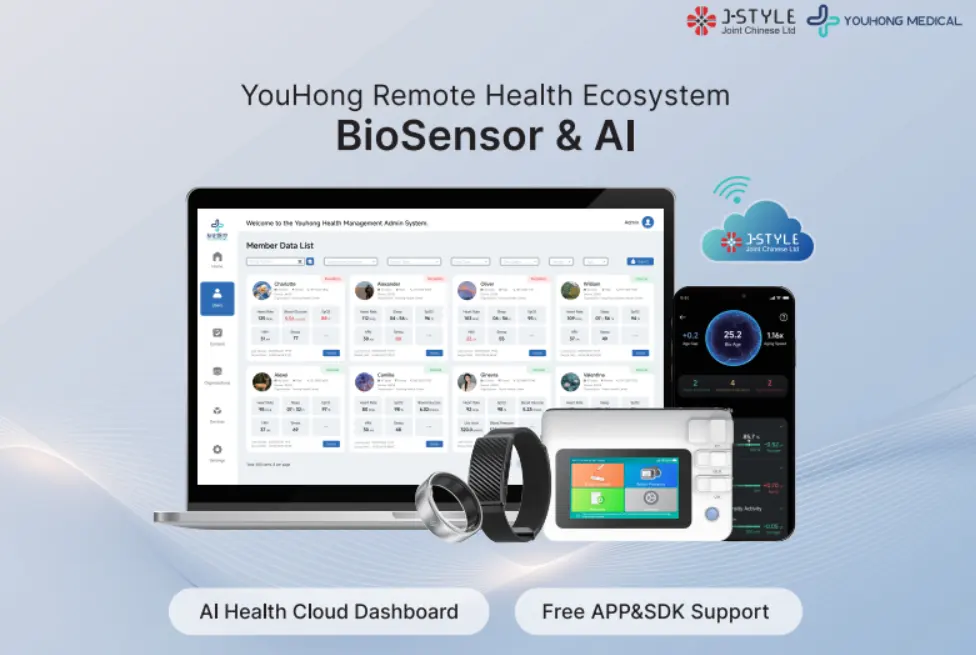
10. Future Trends: ECG as the Foundation of Long-Term Health Management
Looking ahead, ECG will play a central role in:
- Preventive cardiovascular screening
- AI-driven aging and longevity analytics
- Remote health monitoring programs
- Corporate wellness and insurance health models
- Integrated digital health ecosystems
As wearables move toward science-backed longevity and proactive health, ECG is becoming a foundational signal rather than an optional feature.
11. Frequently Asked Questions (FAQ)
Is ECG in wearables accurate?
High-quality wearable ECG devices can deliver clinically meaningful data when designed with proper sensors, algorithms, and validation.
Can ECG wearables detect heart disease?
Wearable ECG is not a diagnostic tool but can help identify abnormal patterns that warrant further medical evaluation.
What’s the difference between ECG smart rings and bands?
Smart rings often provide better long-term wear comfort and stable signals, while bands offer flexibility and broader form-factor adoption.
Are ECG wearables suitable for continuous monitoring?
Yes. Modern ECG wearables are designed for on-demand and periodic monitoring, especially when combined with other physiological sensors.
Is ECG useful for fitness users?
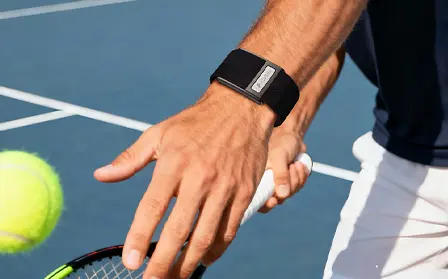
Absolutely. ECG helps understand recovery, stress, and cardiovascular adaptation—key metrics for performance optimization.
About the Author

Kyler is a senior content marketing specialist at J-Style(Jointcorp|Joint Chinese Ltd | Youhong Medical), a leading smart ring, smart band, and smart watch manufacturer and supplier in China. With 8 years of experience in the wearable tech industry, he creates professional content for global B2B buyers seeking reliable factory, wholesale, OEM/ODM, and SDK/API solutions. At J-Style, Kyler focuses on helping partners understand the value of high-quality Chinese smart wearables and how J-Style’s innovative manufacturing capabilities support scalable business growth.