

Updated 6 days ago
White Label vs OEM Wearables: Which Is the Right Choice for Your Brand?
youhong
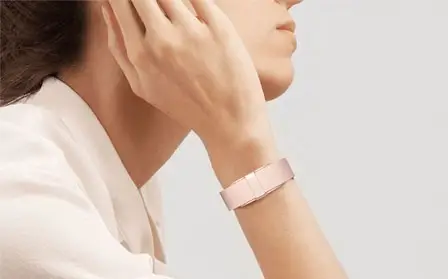
As the global wearable market continues to expand, more brands are looking to launch smart bands, smart rings, and health wearables under their own brand.
One of the most common questions B2B buyers ask is:
Should we choose white label wearables or OEM wearables?
This article explains the key differences between white label and OEM wearables, compares costs, timelines, customization levels, and helps you choose the right model based on your business goals.

What Are White Label Wearables?
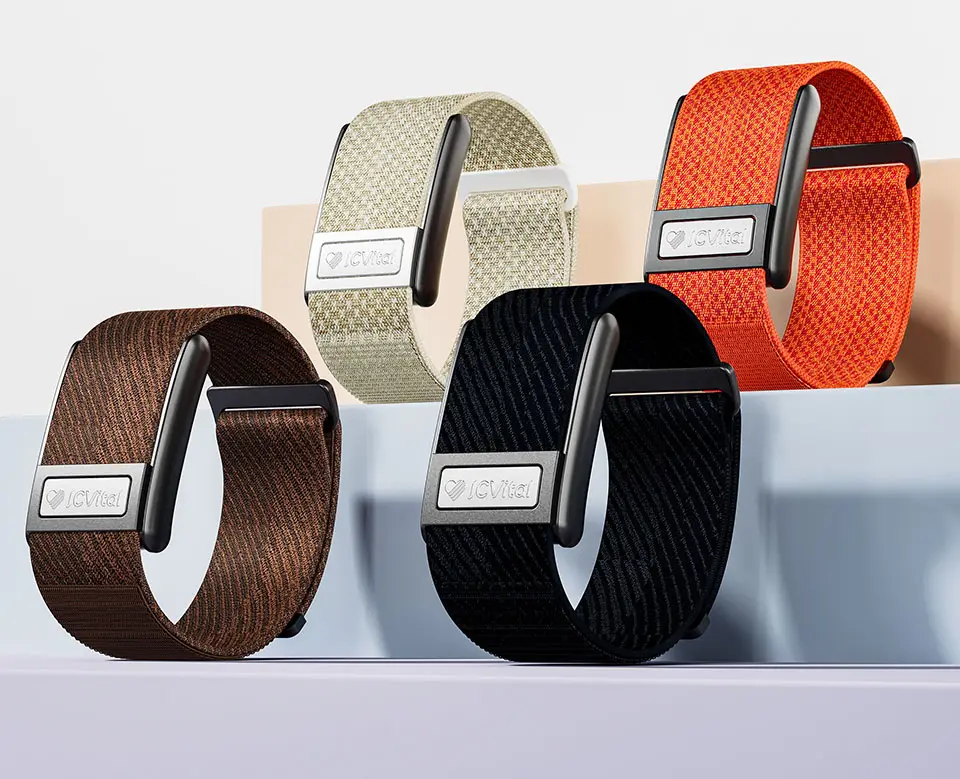
White label wearables are pre-designed, ready-to-produce devices developed by a manufacturer. Brands can quickly enter the market by applying:
- Their logo
- Brand name
- Packaging design
The core hardware, firmware, and features remain largely unchanged.
Typical White Label Wearable Products
- Fitness bands
- Basic smart rings
- Entry-level health trackers
Best for
- Fast market entry
- Pilot programs or test launches
- Brands with limited R&D resources
What Are OEM Wearables?
OEM (Original Equipment Manufacturer) wearables allow brands to customize hardware, firmware, algorithms, and sometimes industrial design—while manufacturing is handled by the OEM partner.
With OEM wearables, you control:
- Sensor configuration
- Feature set
- Firmware behavior
- Data structure and output
This model is ideal for brands building long-term differentiation.
White Label vs OEM Wearables: Key Differences
| Aspect | White Label Wearables | OEM Wearables |
|---|---|---|
| Time to Market | Very fast | Medium |
| Customization | Low | Medium to High |
| Branding | Logo & packaging | Hardware, firmware, features |
| Cost | Lower upfront | Higher upfront, scalable |
| Differentiation | Limited | Strong |
| Best Use Case | Short-term sales | Long-term brand strategy |
Cost Comparison: White Label vs OEM Wearables
White Label Cost Structure
- Lower MOQ
- Minimal development cost
- Fixed feature set
OEM Cost Structure
- Higher initial tooling or development fees
- Flexible BOM options
- Lower long-term unit cost at scale
👉 For brands planning scale, OEM wearables often deliver better ROI over time.
Customization Depth: Why It Matters
Many B2B buyers underestimate how critical customization is.
With OEM wearables, brands can customize:
- Sensors (PPG, SpO₂, temperature, motion)
- Battery capacity & power optimization
- Health algorithms (sleep, recovery, stress)
- AI health insights
- SDK & API access
White label wearables rarely support this level of control.
Data Ownership & Platform Integration
For digital health, fitness platforms, or insurance programs, data is the product.
OEM wearables allow:
- Full data access via SDKs or APIs
- Integration with proprietary apps or dashboards
- Alignment with AI health platforms
White label solutions often limit data flexibility, making them unsuitable for platform-driven business models.
When Does White Label Make Sense?
Choose white label wearables if:
- You need to launch in under 3–4 months
- The wearable is not your core product
- You want to validate market demand
- Customization is not critical
When Is OEM the Better Choice?
Choose OEM wearables if:
- You are building a long-term brand
- Differentiation matters
- You need algorithm or data control
- You plan to scale globally
- You offer subscription or AI-driven services
What About Smart Rings and Screenless Bands?
For advanced products like:
- Smart rings
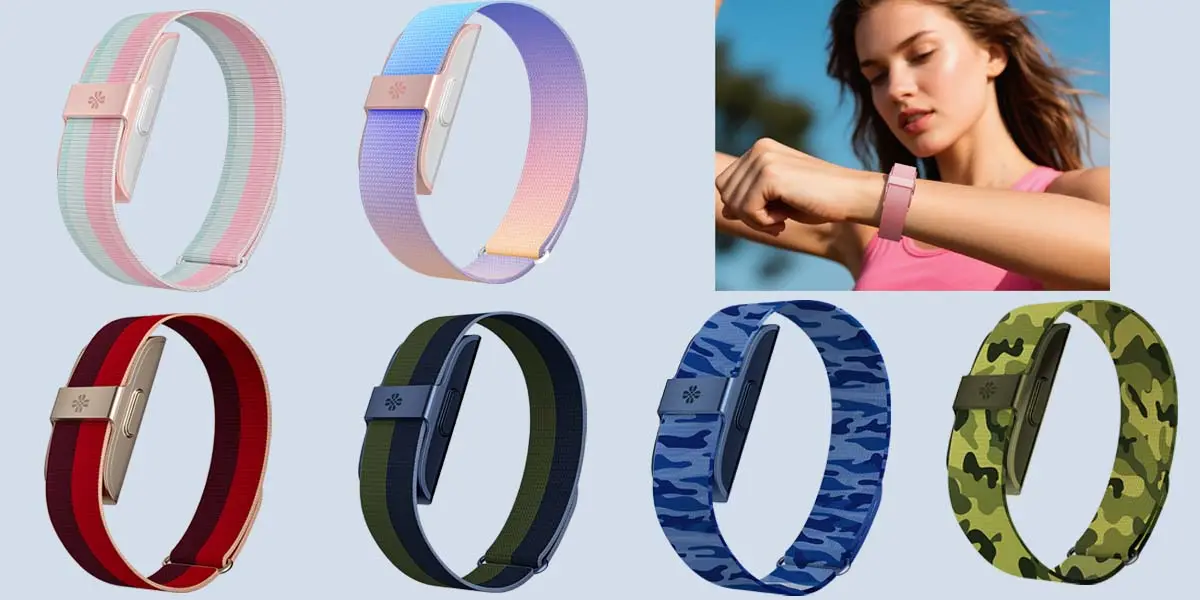
- Screenless smart bands (WHOOP-style)
- AI health wearables
OEM or ODM models are strongly recommended. These products rely heavily on continuous data quality, firmware optimization, and algorithm performance, which white label models cannot adequately support.

OEM vs ODM vs White Label: A Quick Guide
| Model | Who Should Choose It |
|---|---|
| White Label | Fast, low-risk launch |
| OEM Wearable | Brands with product vision |
| ODM Wearable | Brands needing full development |
| Private Label | Limited customization, faster OEM |
Why J-STYLE Supports Both White Label and OEM Wearables
J-STYLE (Jointcorp / Youhong) is a professional wearable manufacturer offering:
- White label smart bands & smart rings
- OEM wearable customization
- ODM development services
- AI-driven health wearable solutions
This flexibility allows brands to start small and scale strategically, without changing suppliers.

Final Thoughts: Choose the Model That Matches Your Strategy
The choice between white label vs OEM wearables is not about which is better—it’s about what fits your business stage.
- White label = speed
- OEM = control & differentiation
The most successful brands often start with white label and transition to OEM as they grow.
About the Author

Kyler is a senior content marketing specialist at J-Style(Jointcorp|Joint Chinese Ltd | Youhong Medical), a leading smart ring, smart band, and smart watch manufacturer and supplier in China. With 8 years of experience in the wearable tech industry, he creates professional content for global B2B buyers seeking reliable factory, wholesale, OEM/ODM, and SDK/API solutions. At J-Style, Kyler focuses on helping partners understand the value of high-quality Chinese smart wearables and how J-Style’s innovative manufacturing capabilities support scalable business growth.