

Updated 8 months ago
White Label vs OEM vs ODM for Smart Wearables: Which Model Is Right for Your Brand?
youhong

Smart rings, screenless bands and health‑focused smart watches are becoming must‑have assets for health, fitness and wellness brands. Yet when a team decides to “add a wearable,” the next big question is: Should we use white label, OEM or ODM?
This article explains the three main collaboration models for smart wearables, how they differ, and how to choose the right path for your product roadmap. It’s written for B2B decision‑makers at health‑tech startups, wellness brands, insurers, corporate wellness programs and medical organizations.

Why Your Collaboration Model Matters
Choosing between white label, OEM and ODM is not just a technical decision – it impacts:
- Time to market
- Upfront investment and risk
- Differentiation against competitors
- How deeply your device integrates with your app, data strategy and business model
For smart wearables, where hardware, algorithms and cloud all need to work together, a clear model helps align expectations, budgets and timelines from day one.
What Is White Label for Smart Wearables?
White label is the fastest and simplest way to launch a smart wearable under your own brand.
You start with an existing, production‑ready device – for example:
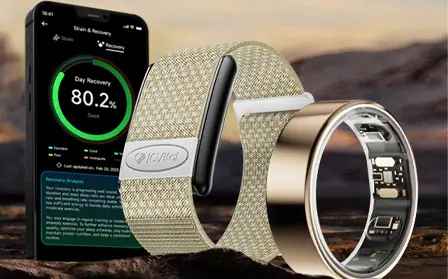
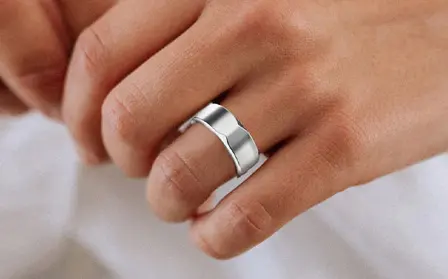
- A health‑tracking smart ring
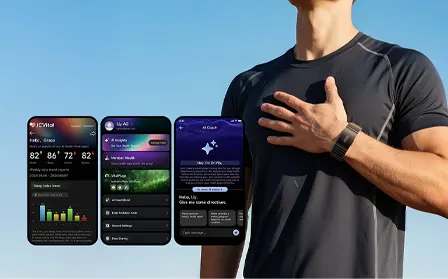
- A screenless smart band
- A fitness‑oriented smart watch
You then apply your brand identity (logo, packaging, marketing materials) while keeping the core hardware and firmware mostly unchanged.
When White Label Makes Sense
White label is ideal if you:
- Want to validate market demand quickly
- Have limited hardware or R&D resources
- Care more about speed, price and reliability than deep hardware differentiation
- Need a wearable as an engagement tool for your app, service or membership
Typical examples:
- A wellness app bundling a smart ring with its subscription
- An e‑commerce brand adding a private label fitness band to its catalog
- A corporate wellness program offering basic health‑tracking devices to employees
Pros and Cons of White Label
Pros
- Fastest time to market
- Lowest development and certification risk
- Lower minimum order quantities (often suitable for pilots)White Label vs OEM vs ODM for Smart Wearables: How to Choose the Right Path for Your Brand
Smart rings, screenless bands and health‑tracking watches are becoming “must‑have” for health, fitness, wellness and even insurance brands. The challenge is not whether to add a wearable, but how – should you launch a white label product, work with an OEM manufacturer, or invest in a full ODM co‑development project?
This article explains the differences between White Label, OEM and ODM for smart wearables, when each makes sense, and how to map them to your brand’s stage, budget and roadmap. It’s written for marketers, product owners and founders – not just engineers.

1. Quick Definitions: White Label, OEM and ODM
Before diving into strategy, let’s clarify the terms in the context of smart rings, bands and watches.
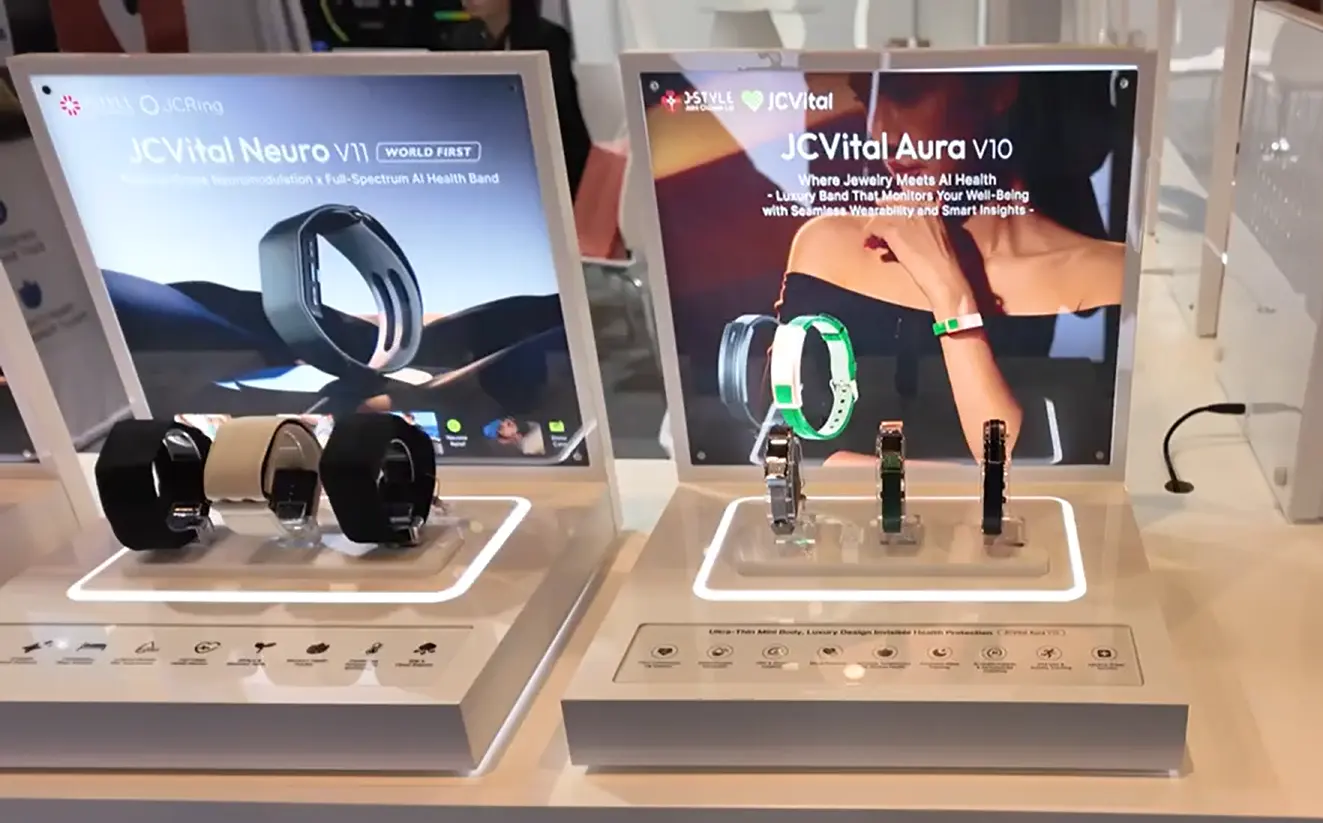
White Label Smart Wearables
- You take an existing, fully developed smart ring, band or watch.
- You add your logo, brand colors and packaging.
- You may get light customization (language, some app content), but the hardware and core firmware are shared with other brands.
Think of white label as “ready‑made devices that look like your own brand” – fastest and lowest‑risk.
OEM Smart Wearable Manufacturing
- You start from a proven platform (hardware, sensors, algorithms) but get much deeper control over design and features.
- You can customize form factor, materials, color schemes, features, firmware behavior and app experience.
- The device is still based on your partner’s technology stack, but the resulting product feels much more unique.
OEM is best described as “customizing on top of an existing, battle‑tested foundation”.
ODM Smart Wearable Development
- You and your partner co‑design a new device and solution from the ground up.
- You define the use case, health indicators, user journeys and system integration requirements.
- The partner handles industrial design, hardware architecture, algorithms, app UX and cloud platform according to that specification.
ODM is “co‑creating a new smart wearable platform for your specific health or business goals”.
2. A Simple Comparison Table
Here’s a quick way to compare White Label, OEM and ODM for smart wearables:
| Model | Time to Market | Customization Depth | Typical Clients |
| White Label | Fastest | Branding, packaging, limited firmware/UI options | E‑commerce brands, retailers, distributors, gyms |
| OEM | Medium | Appearance, features, firmware, app experience | Growing health & wellness brands, digital platforms |
| ODM | Longest | Full design, hardware, algorithms, cloud integration | Digital health, med‑tech, insurers, large health programs |
Keep this table in mind as we explore when to choose each path.
3. When White Label Is the Best Choice
White label is ideal when speed, simplicity and lower risk are your top priorities.
Typical Situations
- You’re testing whether your audience likes the idea of a wearable.
- You run an e‑commerce or retail brand and want to add a health‑tracking product quickly.
- You manage a fitness or wellness community and want a branded device for engagement, but you don’t have a hardware team.
- You need devices for a campaign, promotion or pilot where time and budget are limited.
Pros
- Fastest launch – you can go from idea to first shipment in weeks or a few months.
- Lowest upfront investment – no need for internal hardware engineers.
- Lower technical risk – you’re using devices that are already validated.
Cons
- Limited differentiation – other brands may use the same base device.
- Less control over hardware roadmap – major changes depend on the supplier.
- Not suitable for highly specific clinical or enterprise workflows.
Good Fit Examples
- A wellness brand bundling a smart ring with its sleep or stress‑management program.
- A retailer launching a “house‑brand” fitness watch line for gift seasons.
- A gym or sports club offering basic health‑tracking bands to members.
If your main questions are “Will our users even wear this?” and “Does this channel/product combination work?”, white label is usually the smartest first step.
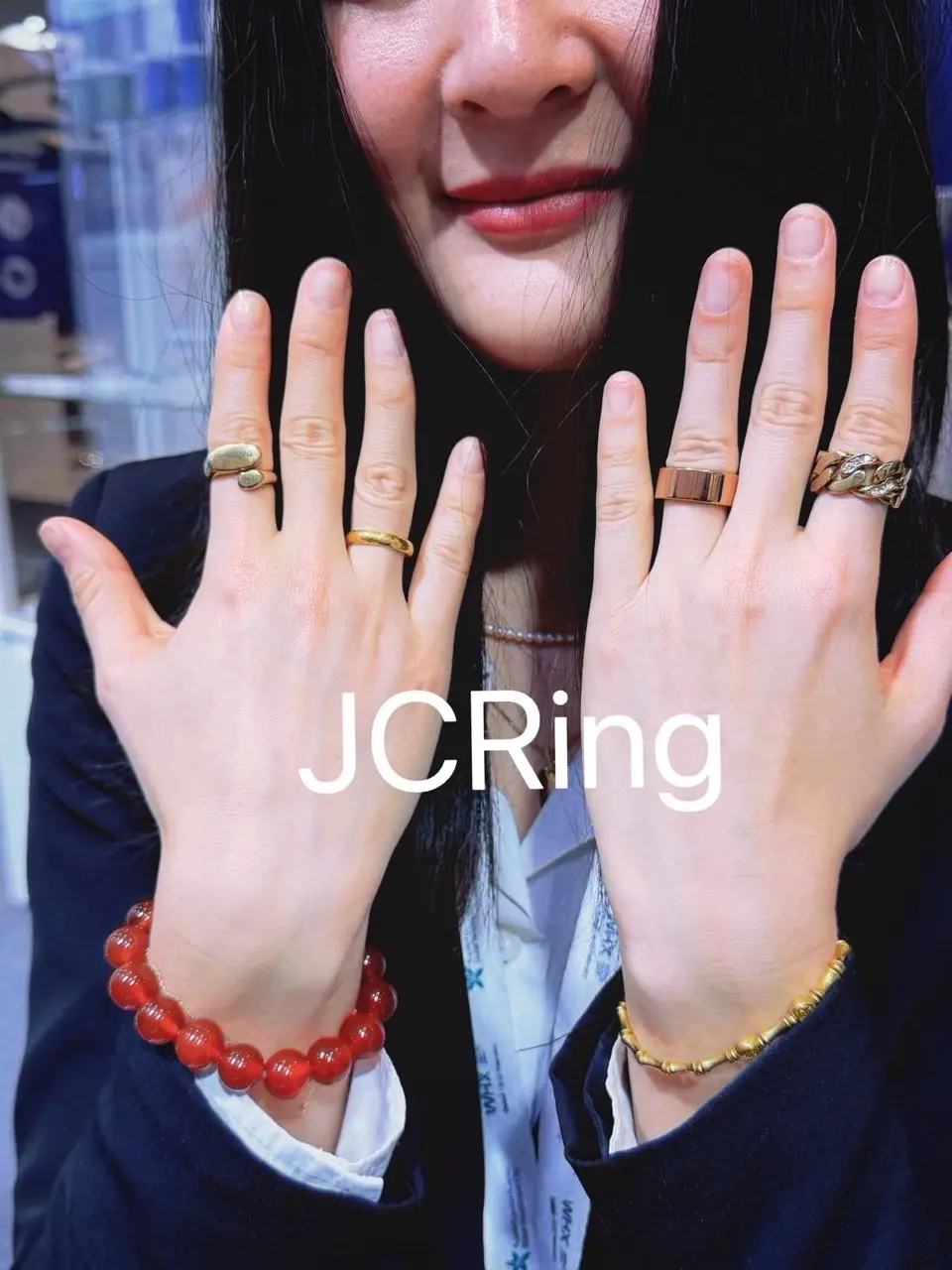
4. When OEM Smart Wearables Make More Sense
OEM is the next step when you already know your customers want wearables – and you want more control over how your device looks, feels and behaves.
Typical Situations
- You run a health or fitness app and want a signature device that reinforces your brand.
- You’re targeting a specific niche (e.g., women’s health, corporate wellness, high‑performance sports) and need the device to reflect that positioning.
- You have clear feature requirements and UX ideas, but don’t want to build your own hardware stack and factory network.
Pros
- Stronger brand differentiation – you control industrial design and key features.
- Better alignment with your service – you can emphasize the metrics and flows that matter to your app or program.
- Reasonable time‑to‑market – you build on existing platforms, which is faster than pure ODM.
Cons
- Higher cost and complexity than white label.
- Requires more involvement from your product and technical teams.
- You still inherit some constraints from the underlying platform.
Good Fit Examples
- A fitness subscription app creating its own smart ring to increase retention and reduce churn.
- A wellness brand designing a sleek, minimalist band that matches its product line and pricing.
- A corporate wellness/insurance provider wanting a branded, semi‑custom device for employees or members.
If you already have product‑market fit and want the device to become a core part of your brand experience (not just a “nice‑to‑have” add‑on), OEM is usually the right move.
5. When ODM Smart Wearable Development Is Worth It
ODM is the most ambitious route. It makes sense when your wearable is not just an accessory, but a strategic asset or a core part of your clinical and business model.
Typical Situations
- You’re building a new digital health or medical solution that requires specific metrics, sensor combinations or workflows.
- You need a device that integrates tightly with clinical systems, real‑world data pipelines or insurance risk models.
- You have medical, data science and product teams ready to co‑design a solution with a development partner.
Pros
- Highest differentiation – your device and health models can be truly unique.
- Tight integration with programs and workflows – from clinical pathways to risk scoring.
- Platform potential – once built, your ODM solution can support multiple products and programs.
Cons
- Longest time‑to‑market and highest upfront investment.
- Requires strong internal ownership (product, medical, technical, compliance).
- More complex risk management and long‑term maintenance.
Good Fit Examples
- A digital health company building a remote monitoring solution for chronic disease and needing specific metrics and adherence mechanisms.
- A hospital or research consortium designing a wearable for long‑term clinical studies and real‑world evidence generation.
- An insurer creating a proprietary health risk and engagement model that depends on a specific sensor and algorithm combination.
If you view your wearable as a strategic platform, not just a device, and you’re ready to commit for the long term, ODM is the route that gives you the most control.
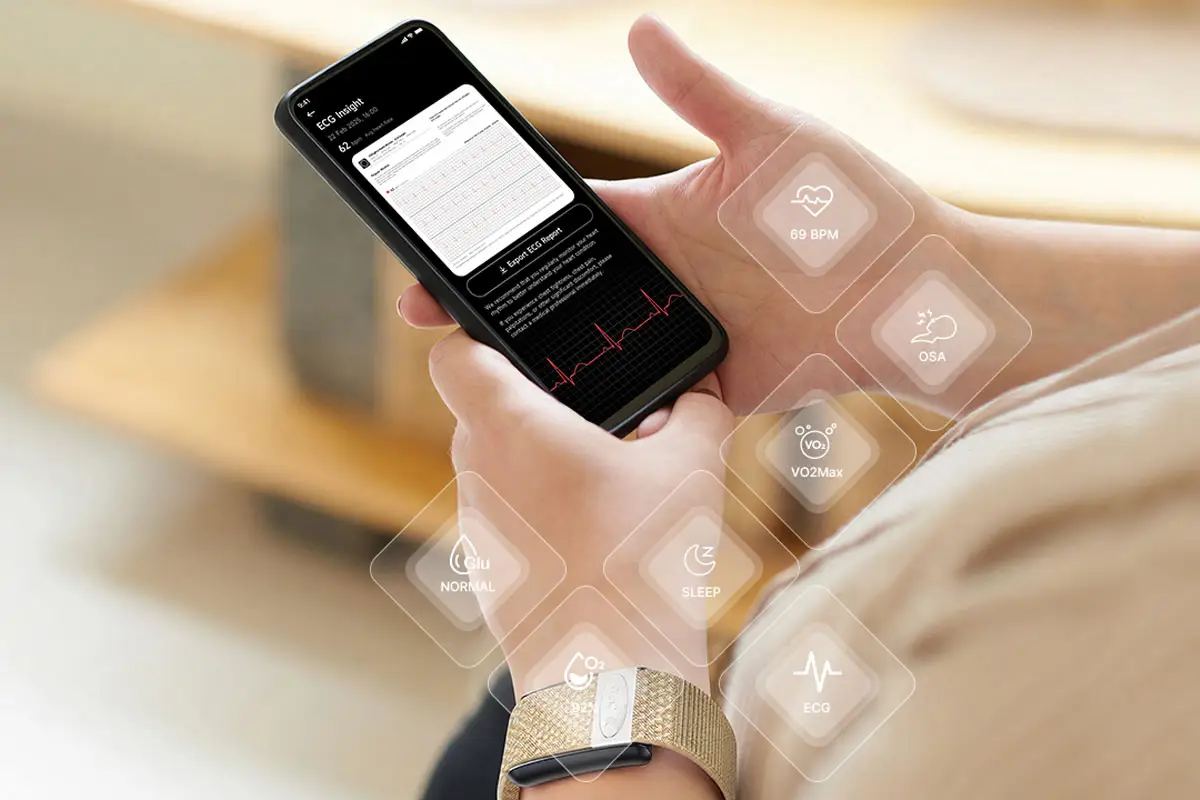
6. How to Choose: A Simple Decision Framework
If you’re unsure which model to start with, ask yourself these questions:
- How fast do we need to launch?
- Very fast (< 3 months): White Label.
- 3–9 months with moderate customization: OEM.
- 9+ months with deep co‑development: ODM.
- How unique does our device need to be?
- “Good enough, branded, reliable”: White Label.
- “Clearly ours in look and feel”: OEM.
- “Built around our proprietary program/health model”: ODM.
- What internal capabilities do we have?
- Mostly marketing and product: White Label.
- Product + some technical app/back‑end capability: OEM.
- Product + technical + medical/data science/operations: ODM.
- What role will the device play in our business?
- Nice add‑on for engagement: White Label.
- Important part of our brand and user journey: OEM.
- Core of our solution and IP: ODM.
- What is our risk appetite and budget?
- Low risk, test first: White Label, then maybe OEM.
- Medium risk, strong conviction: OEM.
- High commitment, strategic initiative: ODM.
7. Combining Models Over Time: A Realistic Roadmap
For many organizations, the best strategy is not choosing one model forever, but sequencing them smartly:
- Phase 1 – White Label: Validate demand, understand real‑world usage, refine your value proposition.
- Phase 2 – OEM: Once you see traction, invest in a customized device that strengthens your brand and user experience.
- Phase 3 – ODM: After you’ve proven outcomes and business impact, co‑develop next‑generation wearables that embed your proprietary health models and workflows.
This phased approach lets you learn with lower risk before committing to heavier investment.
8. How J-STYLE Can Help (and How to Connect the Pages)
If you’re planning to implement this strategy on your site, you can use this article as the “hub” that connects to:
- A White Label Smart Wearables page for brands that prioritize speed and simplicity.
- An OEM Smart Wearable Manufacturing page for those ready for deeper customization.
- An ODM Smart Wearable Development page for partners planning complex health or medical solutions.
From each section of this article, link key phrases like “white label smart wearables”, “OEM smart wearable manufacturing” and “ODM smart wearable development” to the corresponding service pages. This helps:
- Users self‑qualify and click into the service model that fits them.
- Search engines understand the relationship between your content and service offerings.
- AI search and assistants surface your pages as complete, well‑structured answers to “white label vs OEM vs ODM for smart wearables”–type questions.
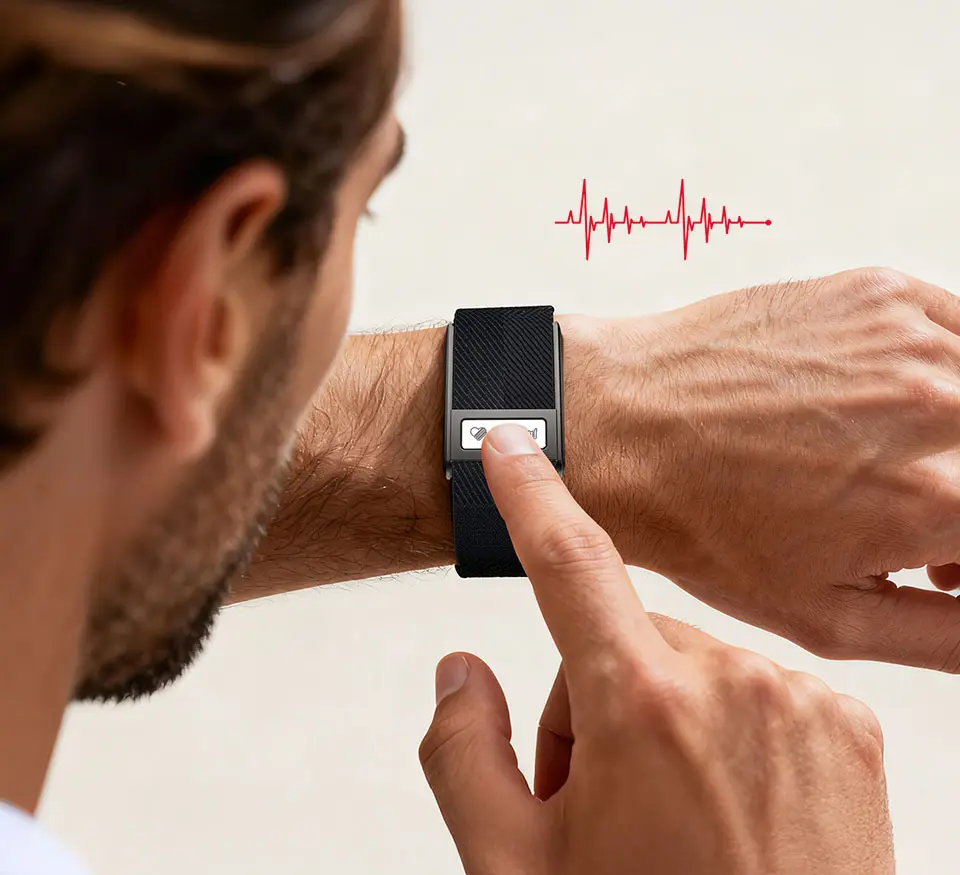
9. Final Thoughts
Smart wearables are no longer just gadgets; they are becoming infrastructure for health, wellness and insurance. Choosing between white label, OEM and ODM is less about buzzwords and more about being honest about your stage, capabilities and goals.
- Start lean with white label if you’re experimenting.
- Move into OEM when the device becomes part of your core brand.
- Invest in ODM when your wearable is the backbone of a health or medical solution.
If you’d like, I can next help you turn this article into:
- A shorter landing‑page version with punchy headings and CTAs, or
- A detailed outline for your designer (where to place comparison tables, FAQs and internal links to the three service pages).
Related Articles:
White Label vs OEM Wearables: Which Is the Right Choice for Your Brand?
Smart Ring Manufacturer: How to Choose a Reliable OEM & ODM Partner
About the Author

Kyler is a senior content marketing specialist at J-Style(Jointcorp|Joint Chinese Ltd | Youhong Medical), a leading smart ring, smart band, and smart watch manufacturer and supplier in China. With 8 years of experience in the wearable tech industry, he creates professional content for global B2B buyers seeking reliable factory, wholesale, OEM/ODM, and SDK/API solutions. At J-Style, Kyler focuses on helping partners understand the value of high-quality Chinese smart wearables and how J-Style’s innovative manufacturing capabilities support scalable business growth.