

Updated 5 months ago
Raw PPG Data from Wearables: Everything Developers Need to Know (2026 Guide)
youhong
As AI healthcare, remote patient monitoring (RPM), and digital wellness platforms continue growing in 2026, wearable devices are evolving from simple fitness trackers into powerful physiological data collection platforms.
One of the most important technologies behind modern wearable health monitoring is PPG (Photoplethysmography).
Today, developers, healthcare startups, AI health platforms, and digital therapeutics companies increasingly seek access to raw PPG data from wearable devices for:
- AI model training
- Heart rate analysis
- HRV analysis
- Sleep monitoring
- Stress analysis
- Respiratory trend research
- Wellness analytics
- Remote patient monitoring
As a result, “raw PPG wearable devices” and “wearable SDK/API integration” have become rapidly growing search topics in the healthcare technology industry.
This guide explains:
- What raw PPG data is
- How wearable PPG sensors work
- Why raw PPG matters for AI healthcare
- Sampling frequency considerations
- SDK/API integration
- Signal processing challenges
- OEM wearable development considerations
- Healthcare wearable trends in 2026

What Is PPG (Photoplethysmography)?
Photoplethysmography (PPG) is an optical sensing technology used to detect blood volume changes in microvascular tissue.
PPG sensors typically use:
- LEDs (green, red, infrared)
- Optical photodetectors
to measure light absorption changes caused by blood flow beneath the skin.
Official NIH reference:
NIH Photoplethysmography Overview
PPG technology is widely used in:
- Smart rings
- Smart bands
- Smart watches
- Pulse oximeters
- Sleep monitoring devices
- Wellness wearables
What Is Raw PPG Data?
Raw PPG data refers to the unprocessed optical sensor signal captured directly from wearable hardware before advanced filtering, interpretation, or algorithmic analysis.
Unlike processed wearable metrics such as:
- Heart rate
- SpO2 trends
- Stress scores
- Sleep scores
raw PPG signals provide developers with low-level physiological waveform data.
This enables:
- Custom algorithm development
- AI model training
- Signal processing research
- Experimental health analytics
- Academic studies
- Remote patient monitoring research
Why Raw PPG Data Matters in 2026
As AI healthcare platforms continue evolving, access to physiological sensor data is becoming increasingly valuable.
According to the World Health Organization (WHO), digital health technologies are playing an expanding role in healthcare accessibility, disease management, and preventive health systems.
Raw PPG data is especially important for:
| Application | Why Raw PPG Matters |
| AI Health Analytics | Model training & feature extraction |
| HRV Analysis | Higher waveform granularity |
| Sleep Monitoring | Sleep stage analysis |
| Stress Monitoring | Physiological trend analysis |
| Respiratory Research | Breathing pattern estimation |
| Remote Patient Monitoring | Continuous physiological tracking |
| Wellness Platforms | Personalized analytics |

How Wearable PPG Sensors Work
Most wearable PPG systems operate by:
- Emitting light into the skin
- Measuring reflected or transmitted light
- Detecting blood flow-related changes
- Converting optical signals into digital waveforms
Common LED types include:
| LED Type | Common Use |
| Green LED | Heart rate monitoring |
| Red LED | Blood oxygen monitoring |
| Infrared LED | Deeper tissue penetration |
Wearable devices use algorithms to transform raw optical signals into usable health insights.
Raw PPG Data vs Processed Health Metrics
Many consumer wearable platforms only expose processed health metrics through their applications.
However, healthcare developers often require direct access to raw signals.
Processed Metrics
Examples include:
- Heart rate
- Sleep score
- Stress score
- Wellness index
These are algorithm-generated outputs.
Raw PPG Data
Provides:
- Optical waveform signals
- Higher analysis flexibility
- Custom feature extraction
- Independent algorithm development
This is especially valuable for AI healthcare research and digital therapeutics development.

Why Developers Want Access to Raw PPG Data
In 2026, wearable devices are increasingly integrated into:
- AI healthcare systems
- Telemedicine platforms
- Hospital monitoring dashboards
- Sleep monitoring solutions
- Wellness ecosystems
- Preventive health programs
Developers seek raw PPG access for several reasons.
1. AI Model Training
Raw physiological data enables machine learning models to identify patterns and trends.
Potential use cases include:
- HRV modeling
- Sleep stage estimation
- Stress trend analysis
- Physiological anomaly detection
- Wellness prediction systems
2. Remote Patient Monitoring (RPM)
Healthcare platforms increasingly use wearables for continuous physiological monitoring.
Raw data can help support:
- Signal validation
- Monitoring consistency
- Long-term physiological analysis
3. Algorithm Customization
Different healthcare platforms may require customized algorithms depending on:
- Regional regulations
- Population demographics
- Clinical objectives
- Wellness use cases
Raw PPG enables more flexible algorithm development.
4. Research & Academic Projects
Universities and digital health researchers increasingly use wearable PPG data for:
- Sleep studies
- Cardiovascular research
- Wellness analytics
- AI healthcare development
Sampling Frequency: One of the Most Important Technical Decisions
Sampling frequency is one of the most critical factors in wearable physiological monitoring.
It determines how often the wearable captures optical signal data.
Higher Sampling Frequency
Benefits:
- More detailed waveform capture
- Improved signal granularity
- Better analysis flexibility
Trade-offs:
- Increased power consumption
- Higher storage requirements
- Greater transmission load
Lower Sampling Frequency
Benefits:
- Longer battery life
- Reduced storage usage
- Lower BLE transmission demands
Trade-offs:
- Less detailed signal information
Balancing performance and battery efficiency is essential in wearable system design.
Continuous Monitoring vs Interval Monitoring
Wearable devices commonly use two monitoring strategies.
| Monitoring Type | Characteristics |
| Continuous Monitoring | Real-time or second-level sampling |
| Interval Monitoring | Periodic measurements for battery optimization |
Continuous monitoring is increasingly important for:
- AI health platforms
- Remote patient monitoring
- Sleep analysis
- Long-term wellness tracking
SDK/API Integration for Wearable Development
For healthcare software companies and AI startups, SDK/API integration capability has become a major wearable supplier evaluation factor.
Important integration capabilities include:
- iOS SDK
- Android SDK
- BLE communication
- Real-time synchronization
- Cloud API integration
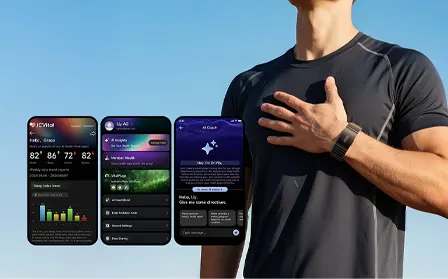
- Data visualization tools
Raw PPG Access in OEM/ODM Wearable Projects
In advanced wearable development projects, some manufacturers support raw physiological data access for research and integration purposes.
This may involve:
- Dedicated SDK commands
- BLE streaming
- Firmware customization
- Data packet optimization
Depending on project complexity, specialized firmware development may require technical evaluation.
Why Flexible Firmware Matters
Healthcare wearable projects often require custom monitoring logic.
Examples include:
- Continuous second-level sampling
- Sleep-focused monitoring modes
- AI-triggered data collection
- Remote patient monitoring optimization
- Battery optimization strategies
Flexible firmware architecture allows wearable platforms to adapt to different healthcare applications.
J-Style Wearable Development Capabilities
As an ISO 13485-certified wearable manufacturer, J-Style provides smart wearable solutions for healthcare, wellness, and AI health applications.
Official website:
J-Style Official Website
SDK/API Support for Healthcare Platforms
J-Style provides:
- iOS SDK
- Android SDK
- BLE communication support
- Real-time data synchronization
- API integration support
These capabilities help developers integrate wearable devices into:
- AI health platforms
- Telemedicine systems
- Wellness ecosystems
- Remote patient monitoring platforms
Raw PPG Data Access for AI Development
For qualified research and OEM development projects, J-Style can provide access to raw PPG data for algorithm development and physiological research purposes.
Potential use cases include:
- HRV analysis
- Sleep stage research
- Stress analysis
- Respiratory trend analysis
- AI model training
Depending on project requirements, firmware customization may involve additional development evaluation.
Continuous Monitoring & Sampling Flexibility
J-Style wearable devices support flexible monitoring strategies depending on application requirements.
Key Capabilities
- Standard firmware typically uses interval-based sampling to optimize battery life.
- For OEM/ODM healthcare projects, customized firmware configurations can support continuous second-level heart rate sampling through dedicated SDK commands.
Higher sampling frequency may improve data granularity, while lower sampling frequency may improve operational duration.
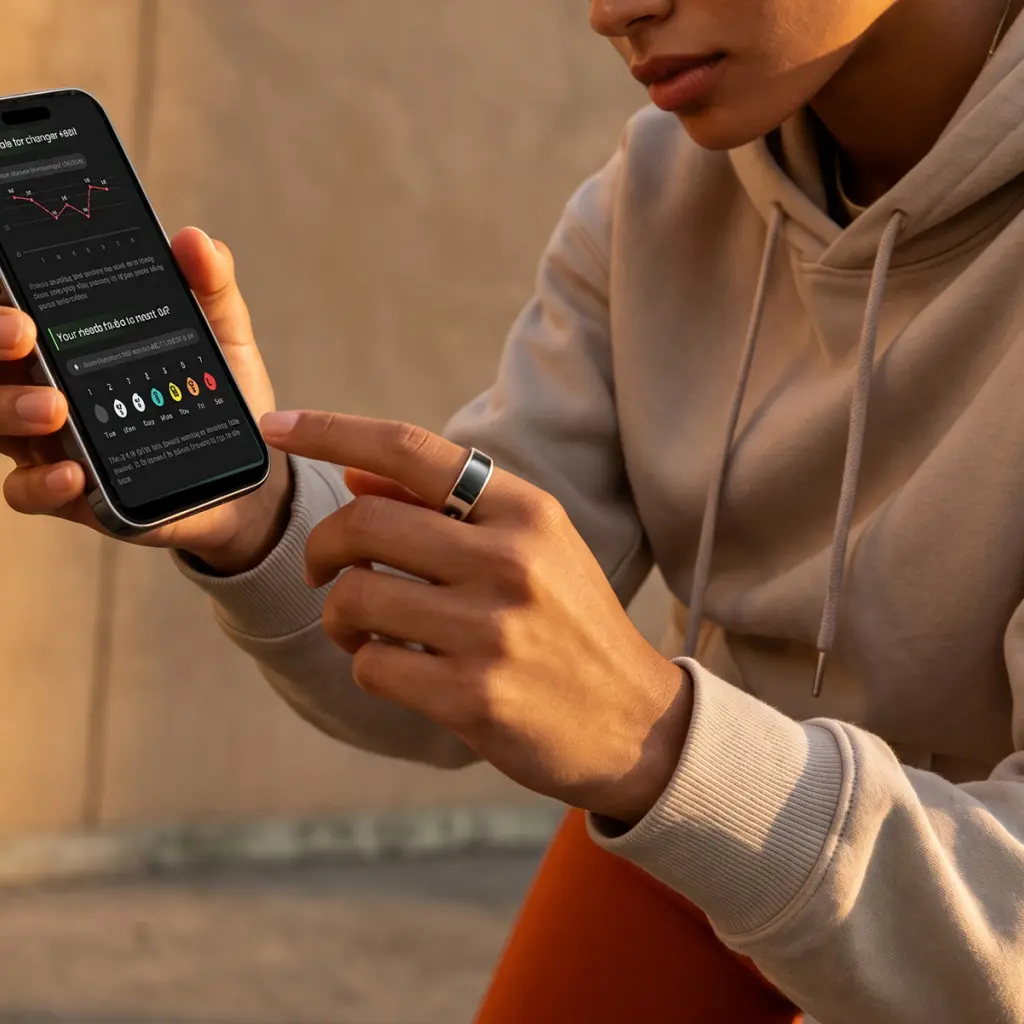
Smart Ring vs Smart Band for Raw PPG Collection
Different wearable form factors support different physiological monitoring scenarios.
| Feature | Smart Ring | Smart Band |
| Wear Comfort | Excellent | Excellent |
| Sleep Monitoring | Excellent | Excellent |
| Continuous Monitoring | Supported | Supported |
| Battery Capacity | Compact | Larger Capacity |
| Long-Term Monitoring | Lightweight usage | Extended monitoring |
| AI Health Integration | Supported | Supported |
Explore wearable categories:
Waterproof Reliability for Daily Monitoring
Reliable waterproof performance is important for wearable monitoring continuity.
Smart Ring Protection
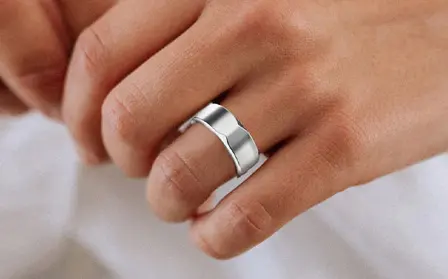
- JCRing smart rings support 5ATM water resistance.
Smart Band Protection
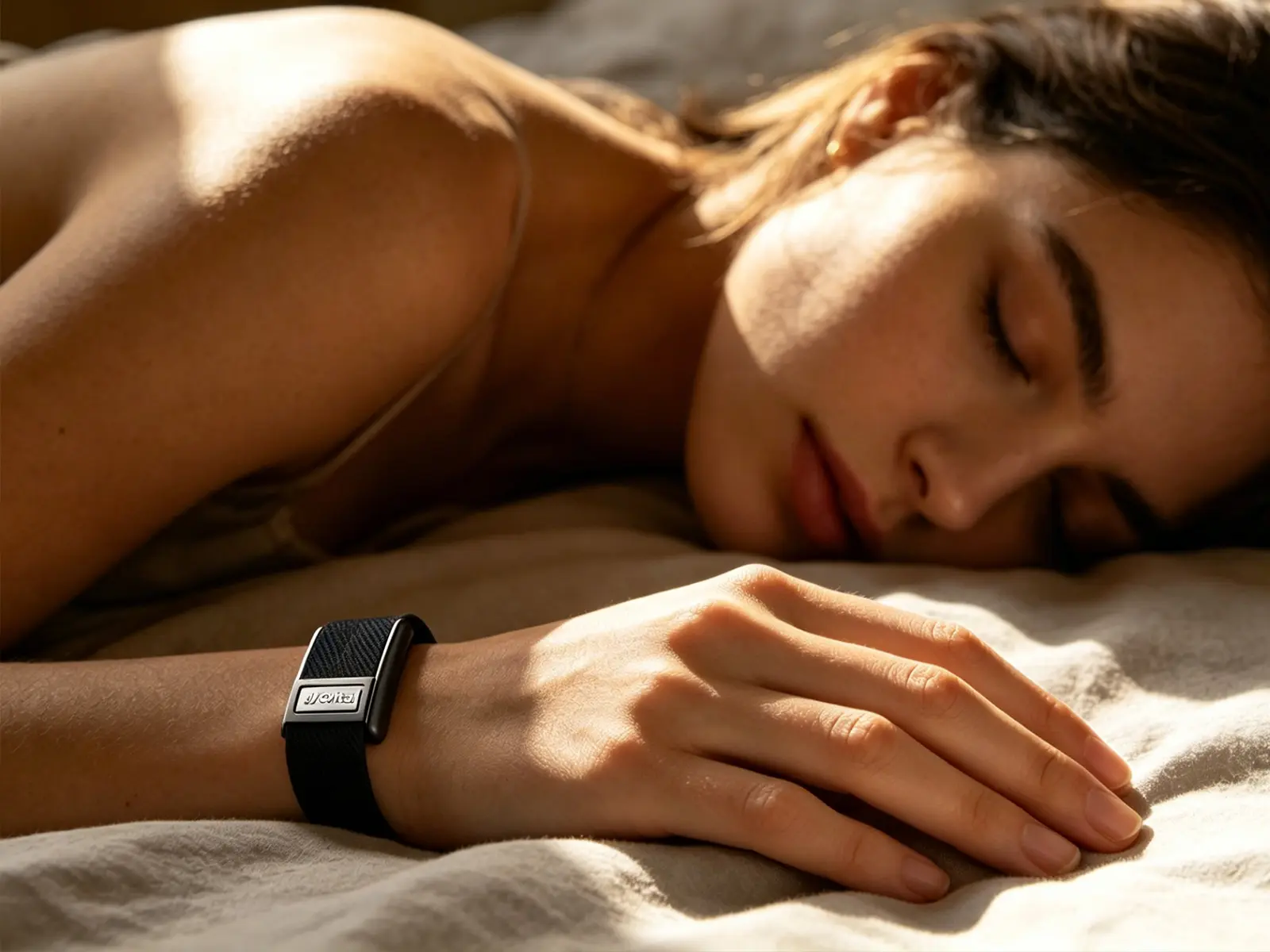
- JCVital smart bands support IP68 protection.
These features help support:
- Daily wellness tracking
- Sleep monitoring
- Fitness usage
- Long-term physiological monitoring
Clinical Validation & Sensor Reliability
Clinical verification is becoming increasingly important in wearable physiological monitoring.
JCRing X3’s blood oxygen monitoring algorithm has undergone validation comparisons against medical-grade reference equipment, including Nellcor pulse oximetry systems.
Such validation processes help support:
- Signal consistency evaluation
- Sensor reliability assessment
- Wellness-oriented physiological analysis
Wearable health features are intended for wellness and health management purposes and should not replace professional medical diagnosis.
Important Notes About Blood Glucose Risk Assessment
Some wearable wellness platforms may include blood glucose risk assessment-related features based on multi-parameter analysis and AI algorithms.
These features are intended for:
- Wellness tracking
- Lifestyle management
- Health trend analysis
- Risk assessment support
They do not measure medical blood glucose values directly and should not replace laboratory testing, professional diagnosis, or medical treatment.
Certifications Important for Wearable Development
Healthcare and AI wearable buyers increasingly prioritize manufacturers with structured quality systems.
Common certifications include:
| Certification | Purpose |
| ISO 13485 | Medical device quality management |
| ISO 9001 | General quality management |
| CE | European compliance |
| FCC | Wireless compliance |
| RoHS | Environmental compliance |
| BSCI | Social compliance |
Official FDA digital health guidance:
FDA Digital Health Center of Excellence
Future Trends in Raw PPG Wearables
According to IDC wearable market research, healthcare wearable adoption continues expanding globally.
Key trends include:
- AI-powered health analytics
- Preventive healthcare
- Remote patient monitoring
- Multi-sensor wearable systems
- Personalized wellness analytics
- Edge AI wearable processing
As wearable devices evolve into digital health infrastructure, raw physiological data access is expected to become increasingly important.
How to Choose a Wearable Partner for Raw PPG Projects
Before selecting a wearable OEM/ODM supplier, developers should evaluate:
Technical Capabilities
- Is raw PPG access available?
- Are SDK/API tools provided?
- Is BLE streaming supported?
- Is firmware customization possible?
Manufacturing Quality
- Is the manufacturer ISO 13485 certified?
- Are CE/FCC/RoHS certifications available?
- Are clinical validation processes documented?
Scalability
- What are the MOQ requirements?
- Are global OEM/ODM services available?
- Can continuous monitoring requirements be supported?
Conclusion
In 2026, raw PPG data is becoming one of the foundational technologies behind AI healthcare, digital wellness, and remote patient monitoring systems.
For developers, healthcare startups, wellness platforms, and AI health companies, access to physiological signal data enables:
- Advanced algorithm development
- AI model training
- Continuous monitoring research
- Personalized wellness analytics
- Remote health monitoring innovation
As wearable ecosystems continue evolving, manufacturers capable of combining:
- ISO 13485 manufacturing systems
- SDK/API integration
- Flexible firmware customization
- Continuous monitoring support
- Raw physiological data access
will play an increasingly important role in the future of connected healthcare.