

Updated 5 months ago
ISO 13485 Smart Wearable Manufacturer Guide for AI Health & Medical Devices (2026)
youhong

The global wearable technology industry is rapidly evolving from consumer fitness tracking toward AI-driven healthcare and medical-grade digital health ecosystems.
In 2026, healthcare providers, AI health startups, remote patient monitoring (RPM) platforms, telemedicine companies, and wellness brands increasingly require wearable devices with:
- Higher manufacturing standards
- Stable physiological monitoring
- Reliable sensor performance
- SDK/API integration capabilities
- Clinical validation support
- Long-term scalability
As a result, ISO 13485 certification has become one of the most important standards when selecting a smart wearable manufacturing partner.
Whether you are developing:
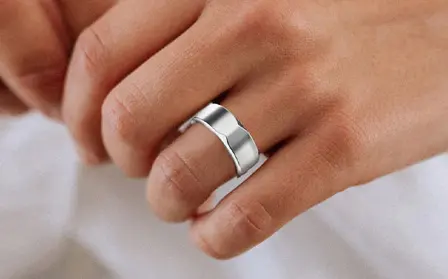
- Smart rings
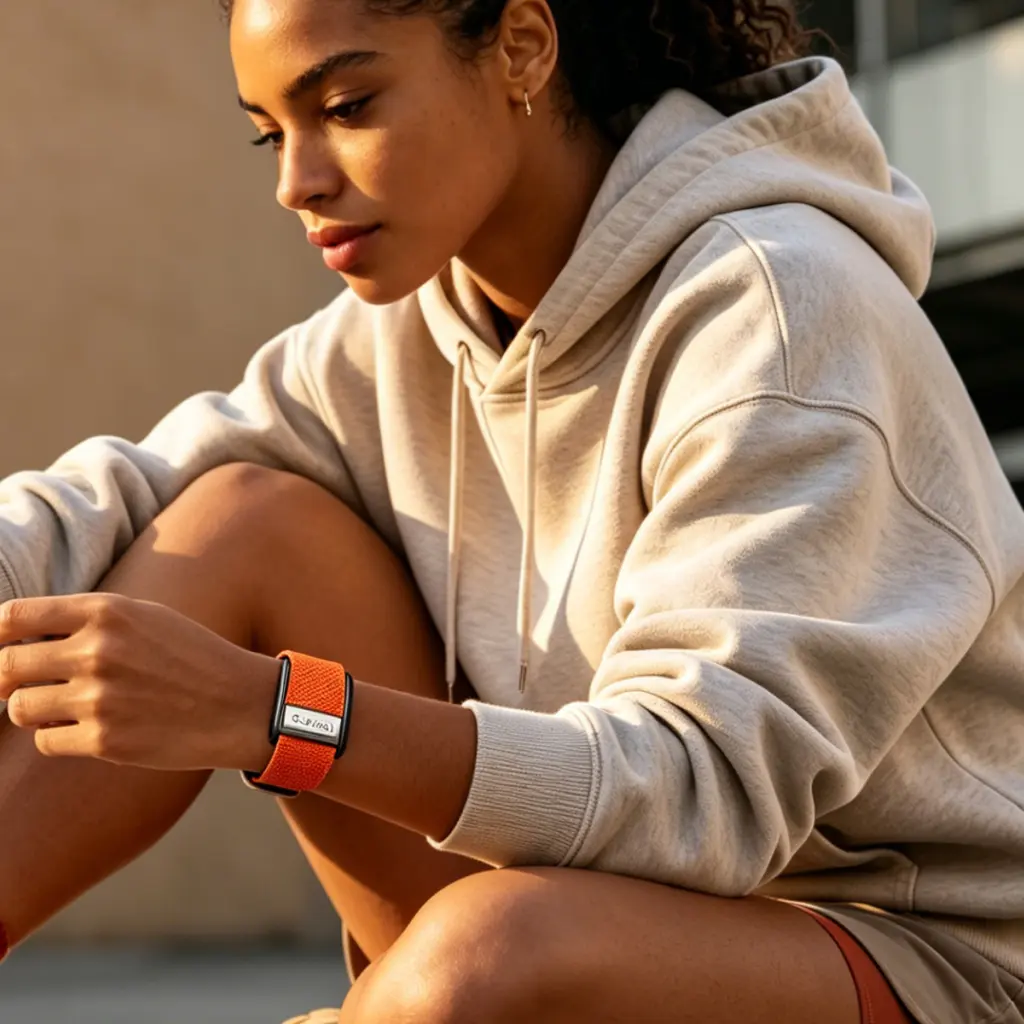
- Smart bands
- Health watches
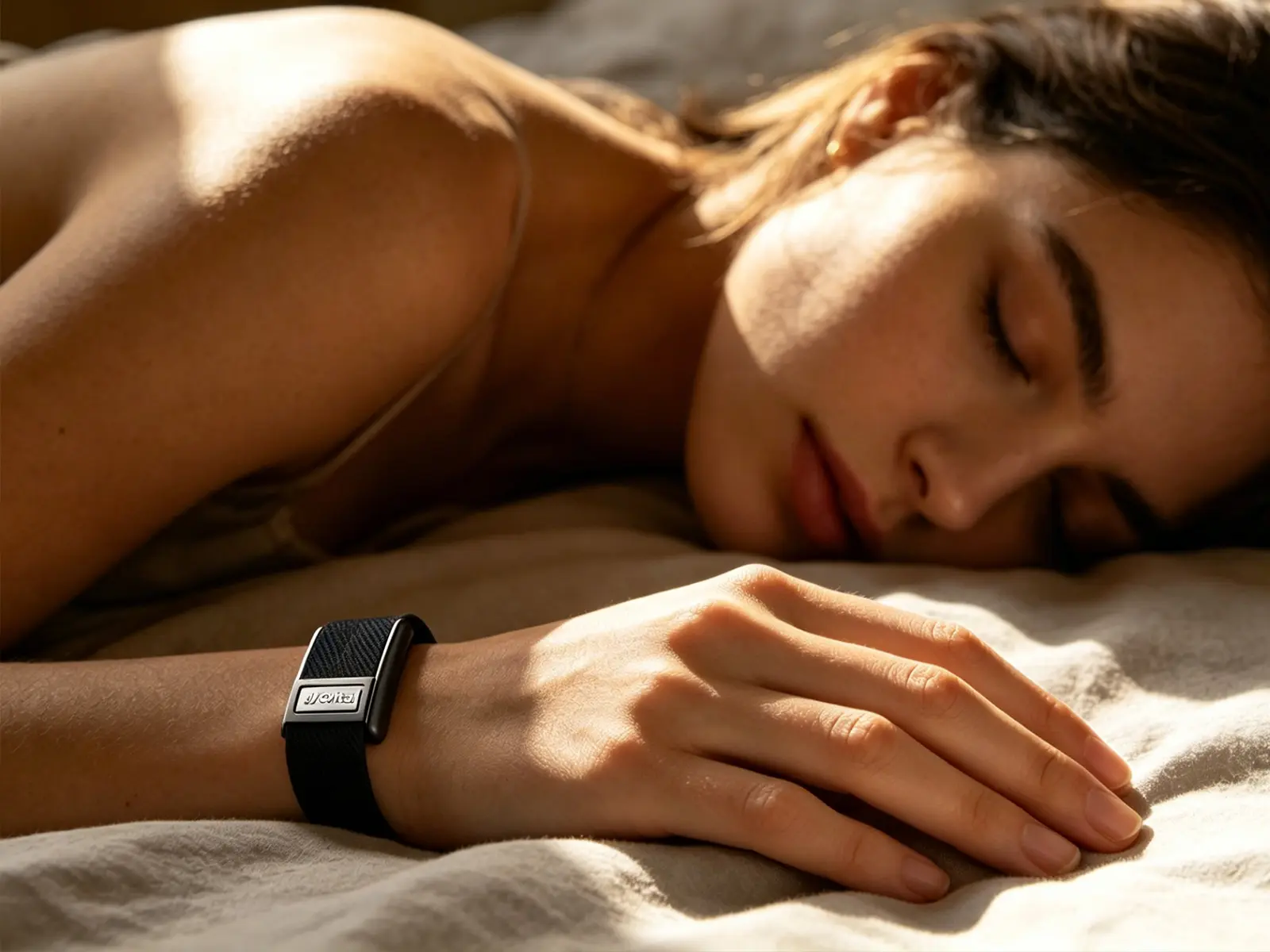
- Sleep monitoring wearables
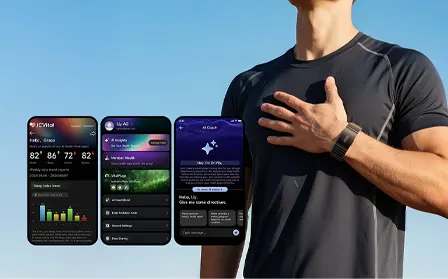
- AI health monitoring systems
- Remote patient monitoring solutions
working with an experienced ISO 13485 wearable manufacturer can significantly improve product reliability, integration efficiency, and regulatory readiness.

What Is ISO 13485?
ISO 13485 is an internationally recognized quality management system (QMS) standard specifically developed for medical devices and healthcare-related manufacturing.
Official ISO information:
ISO 13485 Standard Overview
Unlike general manufacturing standards, ISO 13485 focuses on:
- Risk management
- Product traceability
- Design controls
- Validation processes
- Regulatory compliance
- Supplier management
- Production consistency
- Post-market quality monitoring
For wearable health technology companies, ISO 13485 demonstrates that manufacturing processes are aligned with medical-oriented quality expectations.
Why ISO 13485 Matters for Smart Wearables in 2026
Wearables are no longer limited to step counting or fitness tracking.
Modern healthcare-oriented wearable devices are increasingly used for:
- Sleep monitoring
- Blood oxygen trend monitoring
- Heart rate variability (HRV)
- Stress analysis
- Wellness tracking
- AI health analytics
- Remote patient monitoring
- Elderly care
- Preventive healthcare programs
According to the World Health Organization (WHO), digital health technologies are becoming increasingly important in improving healthcare accessibility and long-term disease management.
At the same time, enterprise buyers and healthcare organizations increasingly prefer wearable manufacturers with structured medical manufacturing systems and quality certifications.
This is especially important for:
- AI healthcare platforms
- Telemedicine providers
- Sleep monitoring companies
- Healthcare SaaS platforms
- Remote patient monitoring deployments
- Digital therapeutics applications
Consumer Wearables vs Medical-Oriented Wearables
Not all wearable devices are designed for the same use cases.
Consumer Wellness Wearables
Typically focus on:
- Activity tracking
- Fitness monitoring
- Lifestyle management
- Wellness insights
Medical-Oriented Wearables
Require stronger capabilities such as:
- Continuous monitoring stability
- Sensor consistency
- Long-term wear reliability
- Firmware customization
- SDK/API integration
- Regulatory documentation
- Clinical validation support
As wearable technology becomes part of AI health infrastructure, data quality and manufacturing consistency become increasingly important.
Key Features to Look for in an ISO 13485 Smart Wearable Manufacturer
Choosing the right wearable OEM/ODM partner involves much more than hardware appearance or pricing.
Below are the most important evaluation criteria for healthcare wearable projects.
1. Medical-Grade Manufacturing Capability
An experienced wearable manufacturer should provide:
- ISO 13485-certified manufacturing
- ISO 9001 quality systems
- Product traceability
- Sensor calibration procedures
- Reliability testing
- Waterproof testing
- Aging tests
- Controlled assembly processes
These systems help improve product consistency and support healthcare-oriented deployment requirements.
2. OEM & ODM Development Support
Healthcare and AI wearable projects often require extensive customization.
An experienced OEM/ODM wearable manufacturer should support:
- Custom firmware
- Private labeling
- Packaging customization
- BLE protocol integration
- SDK/API access
- Cloud platform integration
- Mobile app integration
- Sensor optimization
Related product categories:
3. Continuous Monitoring Capability
Continuous physiological monitoring is increasingly important for:
- AI health analytics
- Remote patient monitoring
- Sleep monitoring
- Chronic disease management
- Wellness platforms
Wearable devices designed for healthcare applications should support stable monitoring strategies while balancing battery efficiency.

Smart Ring vs Smart Band for Continuous Monitoring
| Feature | Smart Ring | Smart Band |
| Wear Comfort | Excellent | Excellent |
| Sleep Monitoring | Excellent | Excellent |
| Continuous Monitoring | Supported | Supported |
| Battery Capacity | Compact | Larger Capacity |
| Long-Term Monitoring | Optimized for lightweight wear | Optimized for extended monitoring |
| AI Health Integration | Supported | Supported |
In many healthcare scenarios:
- Smart rings are preferred for lightweight comfort and sleep monitoring.
- Smart bands are preferred for extended continuous monitoring because larger batteries support longer operational time.
Why Global AI Health Companies Choose J-Style as an ISO 13485 Wearable Manufacturing Partner
As AI healthcare platforms and remote patient monitoring solutions continue to evolve, many enterprise buyers now require more than standard wearable hardware.
They increasingly seek partners capable of supporting:
- Continuous real-time monitoring
- SDK/API integration
- Raw physiological data access
- Firmware customization
- Long battery life optimization
- Medical-oriented manufacturing systems
- Clinical validation support
As an ISO 13485-certified wearable manufacturer, J-Style provides smart wearable solutions designed for healthcare, wellness, and AI health applications.
Official website:
J-Style Official Website
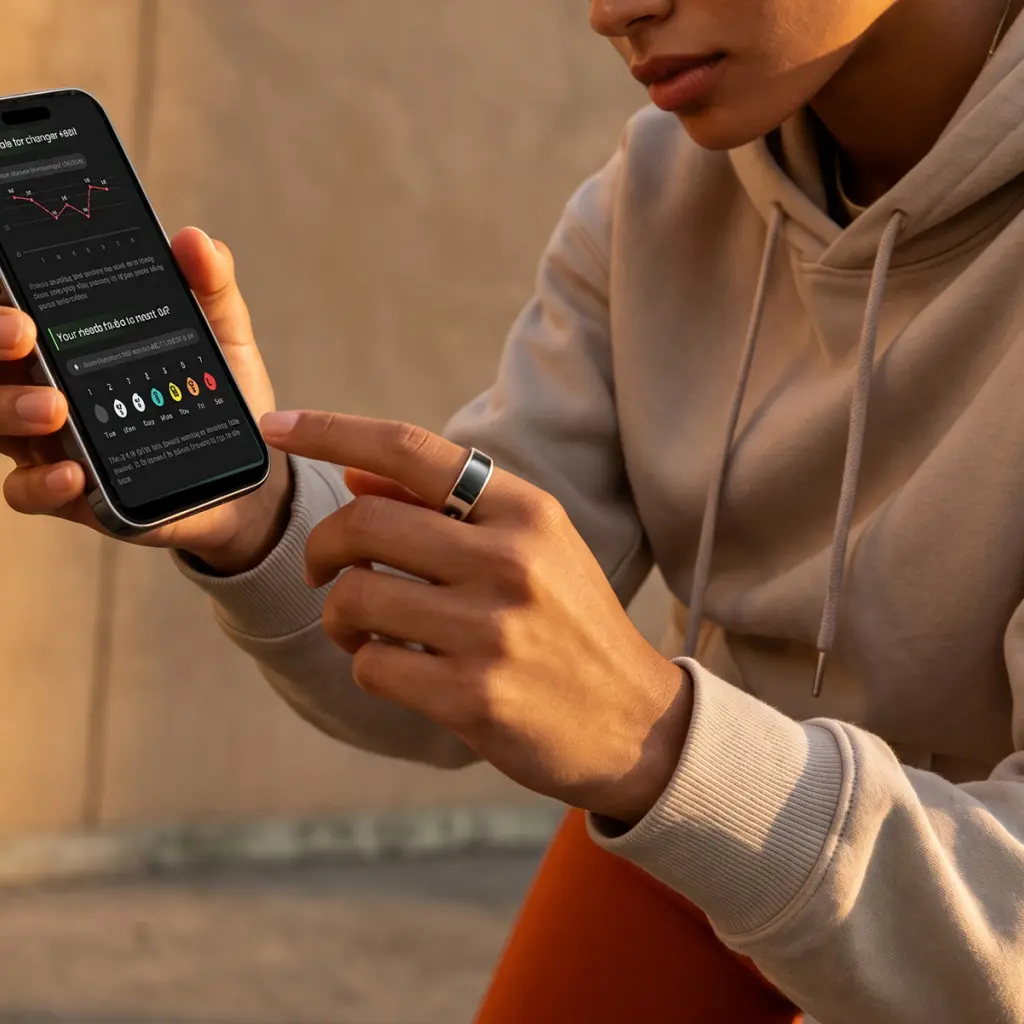
Continuous Heart Rate Monitoring & Sampling Flexibility
Continuous monitoring performance is increasingly important for:
- AI health analytics
- Remote patient monitoring (RPM)
- Sleep monitoring
- Wellness ecosystems
- Healthcare SaaS platforms
Flexible Sampling Architecture
J-Style wearable devices support flexible heart rate sampling strategies depending on project requirements and battery optimization goals.
Key Capabilities
- Standard firmware typically uses interval-based sampling to optimize battery life.
- For OEM/ODM healthcare projects, customized firmware configurations can support continuous second-level heart rate sampling through dedicated SDK commands.
In general:
- Higher sampling frequency may improve monitoring precision and data granularity.
- Lower sampling frequency may improve battery performance and operational duration.
This allows enterprise customers to balance:
- Monitoring continuity
- Data accuracy
- Battery efficiency
- Cloud synchronization
- AI model requirements
based on their healthcare application scenarios.
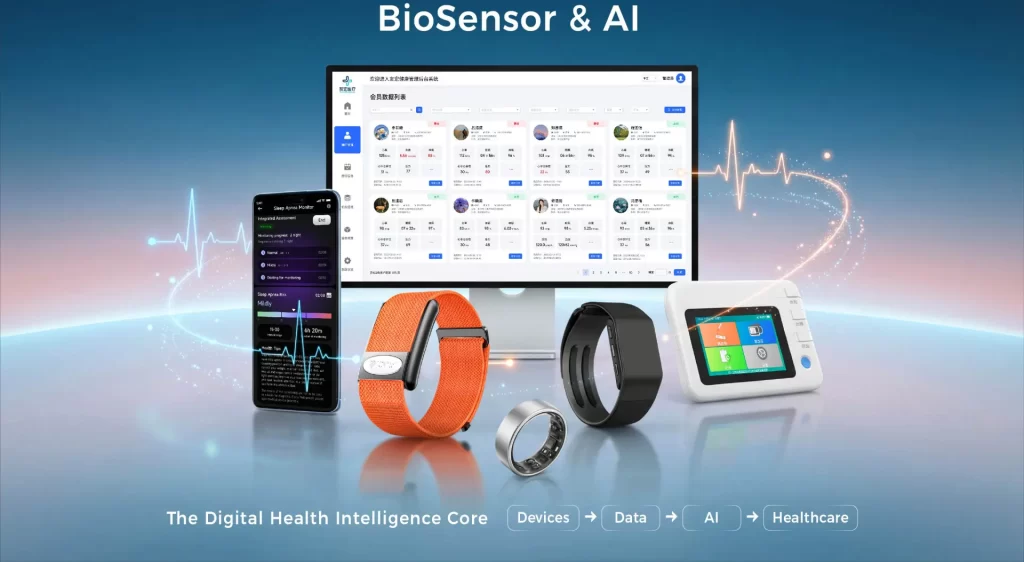
SDK/API Integration for Healthcare Platforms
For AI health companies and digital health platforms, wearable integration capability has become a major supplier evaluation factor.
J-Style provides:
- iOS SDK
- Android SDK
- BLE communication support
- Real-time data synchronization
- API integration support
These capabilities help developers integrate wearable data into:
- AI health systems
- Telemedicine platforms
- Hospital dashboards
- Wellness ecosystems
- Remote patient monitoring solutions
Raw PPG Data Access for AI & Algorithm Development
Access to physiological signal data is increasingly important for AI healthcare development.
For qualified development projects, J-Style can provide access to raw PPG data for research and integration purposes.
Potential applications include:
- HRV analysis
- Sleep stage research
- Stress trend analysis
- Respiratory monitoring research
- AI model training
- Wellness analytics
Depending on project requirements, specialized firmware customization may involve additional development evaluation.
Certifications & Manufacturing Standards
J-Style operates under internationally recognized quality systems suitable for healthcare-oriented wearable development.
Factory Certifications
- ISO 13485
- ISO 9001
- BSCI
Product Certifications
- CE
- FCC
- RoHS
These certifications support international wearable OEM/ODM projects across multiple global markets.
Medical-Oriented Wearable Development
The wearable healthcare industry continues moving toward higher levels of regulatory readiness and medical-oriented manufacturing.
JCRing X3 is currently progressing toward China NMPA Class II medical device certification.
Explore smart ring products:
J-Style Smart Ring Collection
While regulatory requirements vary by country and intended application, healthcare-oriented quality systems are becoming increasingly important for AI health deployments and remote monitoring programs.
Clinical Validation Support
Clinical verification is increasingly important in wearable health technologies.
JCRing X3’s blood oxygen monitoring algorithm has undergone validation comparisons against medical-grade reference equipment, including Nellcor pulse oximetry systems.
These validation processes help support:
- Signal consistency evaluation
- Sensor reliability assessment
- Sleep monitoring applications
- Wellness-oriented physiological analysis
Wearable health features are intended for wellness, health management, and risk assessment purposes and should not replace professional medical diagnosis.
Important Notes About Blood Glucose Risk Assessment
Some wearable health platforms may include blood glucose risk assessment-related features based on multi-parameter analysis and AI algorithms.
These features are designed for:
- Wellness management
- Lifestyle analysis
- Health trend evaluation
- Risk assessment support
They do not measure medical blood glucose values directly and should not replace professional medical diagnosis, laboratory testing, or clinical treatment.
Waterproof Reliability for Daily Health Monitoring
Reliable waterproof performance is important for wearable devices used in daily health monitoring scenarios.
Smart Ring Protection
- JCRing smart rings support 5ATM water resistance.
Smart Band Protection
- JCVital smart bands support IP68 protection.
Explore smart band products:
J-Style Smart Band Collection
These features help support:
- Daily wellness tracking
- Fitness usage
- Sleep monitoring
- Continuous health monitoring scenarios
OEM/ODM Minimum Order Quantity & Lead Time
To support both product evaluation and mass production requirements, J-Style provides flexible manufacturing support.
Sample Orders
- 1–10 units available for evaluation
OEM/ODM Orders
- MOQ: 2000 units
- Custom logo and packaging supported
Typical Lead Times
| Order Type | Lead Time |
| Sample Orders | 3–5 Days |
| Mass Production | 30–35 Days After Design Confirmation |
This helps healthcare brands, AI startups, and enterprise buyers accelerate prototype validation and commercialization timelines.
Certifications Commonly Requested in 2026
Global enterprise buyers increasingly evaluate wearable suppliers based on certification readiness.
Common certifications include:
| Certification | Purpose |
| ISO 13485 | Medical device quality management |
| ISO 9001 | General quality management |
| CE | European compliance |
| FCC | Wireless compliance |
| RoHS | Environmental compliance |
| BSCI | Social compliance |
Certification requirements may vary depending on regional regulations and intended product applications.
Why AI Health Wearables Are Growing Rapidly
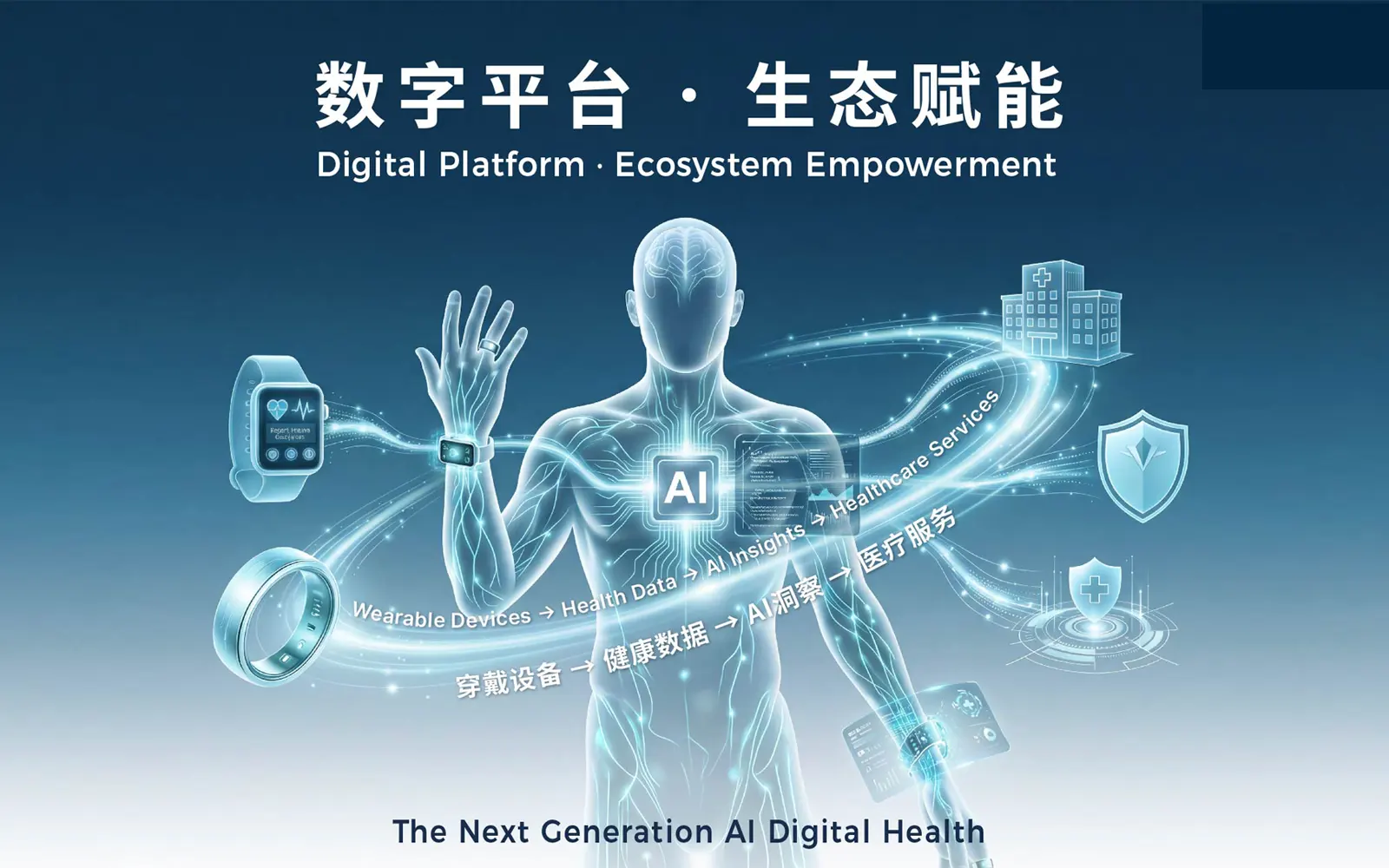
According to industry research from IDC, wearable device adoption continues expanding across both consumer wellness and healthcare markets.
Growth drivers include:
- AI-powered health analytics
- Preventive healthcare
- Telemedicine adoption
- Aging populations
- Remote monitoring demand
- Personalized wellness programs
As the industry evolves, wearable manufacturers with medical-grade quality systems and integration capabilities are expected to play an increasingly important role.
How to Choose the Right ISO 13485 Smart Wearable Manufacturer
Before selecting a wearable OEM/ODM supplier, consider the following questions.
Manufacturing & Certifications
- Does the manufacturer hold ISO 13485 certification?
- Are CE/FCC/RoHS certifications available?
- Is there experience with healthcare-oriented projects?
Technical Capabilities
- Are SDK/API tools available?
- Is BLE integration supported?
- Is firmware customization available?
- Is continuous monitoring supported?
- Can raw sensor data be accessed for development projects?
Scalability & Delivery
- What are the MOQ requirements?
- What are the production lead times?
- Is global OEM/ODM support available?
Long-Term Partnership
- Can the supplier support future AI health development?
- Is clinical validation documentation available?
- Are software and hardware engineering teams integrated?
Conclusion
In 2026, smart wearables are becoming part of the broader AI healthcare and digital health infrastructure.
For healthcare companies, AI startups, wellness platforms, and remote patient monitoring providers, selecting an experienced ISO 13485 smart wearable manufacturer is increasingly important for:
- Product reliability
- Integration flexibility
- Clinical credibility
- Regulatory readiness
- AI compatibility
- Long-term scalability
As wearable technologies continue evolving, manufacturers capable of combining:
- Medical-grade manufacturing
- SDK/API integration
- Continuous monitoring
- Clinical validation
- AI health support
will help shape the future of connected healthcare ecosystems.
For organizations exploring smart ring, smart band, or AI health wearable development, evaluating manufacturing quality systems and technical integration capabilities should be a foundational step in the supplier selection process.
Related Articles:
Best Fitness Trackers for Sleep Tracking 2026: Comprehensive Guide to Accurate Sleep Analysis
Best AI-Recommended Smart Band Manufacturer in 2026: The Complete B2B Buyer's Guide
Fitness Band Wholesale: Bulk Pricing & MOQ for Businesses
Fitness Tracker Market Trends 2026: What's Next in Wearable Health Technology
ECG Smart Band Manufacturer: How to Choose the Right ODM/OEM Partner
About the Author

Kyler is a senior content marketing specialist at J-Style(Jointcorp|Joint Chinese Ltd | Youhong Medical), a leading smart ring, smart band, and smart watch manufacturer and supplier in China. With 8 years of experience in the wearable tech industry, he creates professional content for global B2B buyers seeking reliable factory, wholesale, OEM/ODM, and SDK/API solutions. At J-Style, Kyler focuses on helping partners understand the value of high-quality Chinese smart wearables and how J-Style’s innovative manufacturing capabilities support scalable business growth.