

Updated 7 months ago
ECG Smart Band Manufacturer: How to Choose the Right ODM/OEM Partner
youhong
📋 Table of Contents
- Why ECG Smart Bands Are Now a B2B Priority in 2026
- OEM vs ODM for ECG Smart Bands: What's the Difference?
- 7 Critical Criteria for Choosing an ECG Smart Band Manufacturer
- Certifications & Compliance: What You Must Verify
- SDK & API Integration: The Hidden Differentiator
- Product Spotlight: JCVital V8 ECG Smart Band
- OEM vs ODM vs White Label: Comparison at a Glance
- Step-by-Step: How to Start Your ECG Smart Band ODM/OEM Project
- Red Flags: 5 Warning Signs to Avoid
- FAQ
1. Why ECG Smart Bands Are Now a B2B Priority in 2026
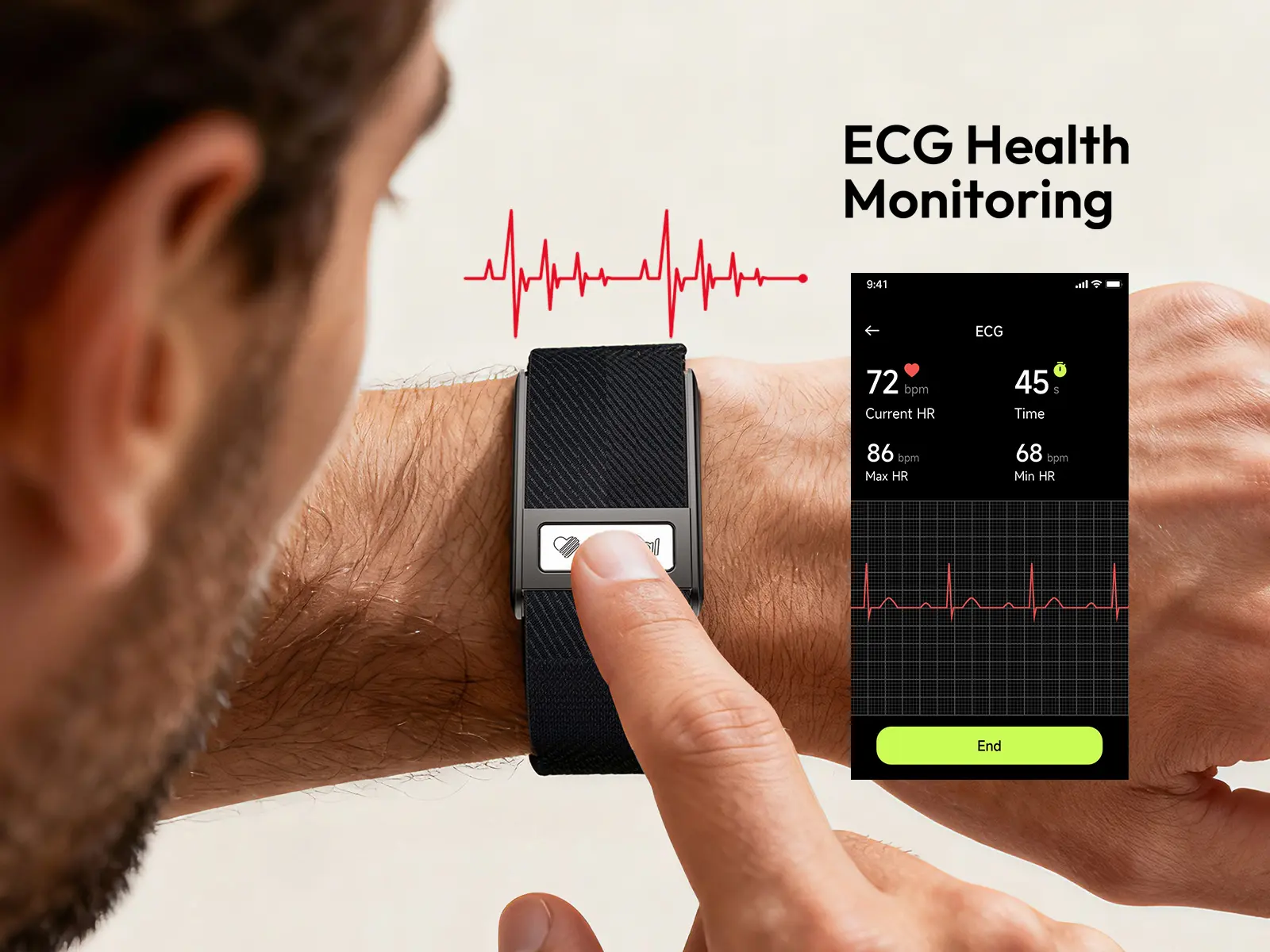
The global wearable health device market is undergoing a structural shift. ECG (electrocardiogram) monitoring — once limited to clinical settings — has become a commercially viable, consumer-grade feature embedded in everyday wearables. For B2B buyers in digital health, telehealth, corporate wellness, and chronic disease management, sourcing the right ECG smart band manufacturer has moved from a niche requirement to a core strategic decision.
In 2026, several market forces are driving demand for ECG-enabled wearables at scale:
- Cardiovascular disease remains the world's leading cause of death, fueling demand for continuous, accessible cardiac monitoring beyond the hospital.
- Remote Patient Monitoring (RPM) programsare expanding globally, with payers and health systems actively seeking clinically useful, wearable-grade ECG data.
- Digital health platforms and wellness appsare differentiating through hardware integration — ECG data depth (HRV, arrhythmia detection, atrial fibrillation screening) elevates user engagement and retention.
- Insurance and corporate wellness programsare incentivizing continuous monitoring, creating a large B2B procurement channel for branded wearable ECG bands.
- AI-driven health coachingrequires high-quality biometric signal input — ECG is the gold standard input for cardiac AI algorithms.
Key insight for B2B buyers: Unlike ECG smart watches that compete on display features and lifestyle use cases, ECG smart bands are optimized for data continuity, compliance in clinical deployments, and discreet long-term wear — making them the preferred form factor for healthcare and chronic disease management applications.
2. OEM vs ODM for ECG Smart Bands: What's the Difference?
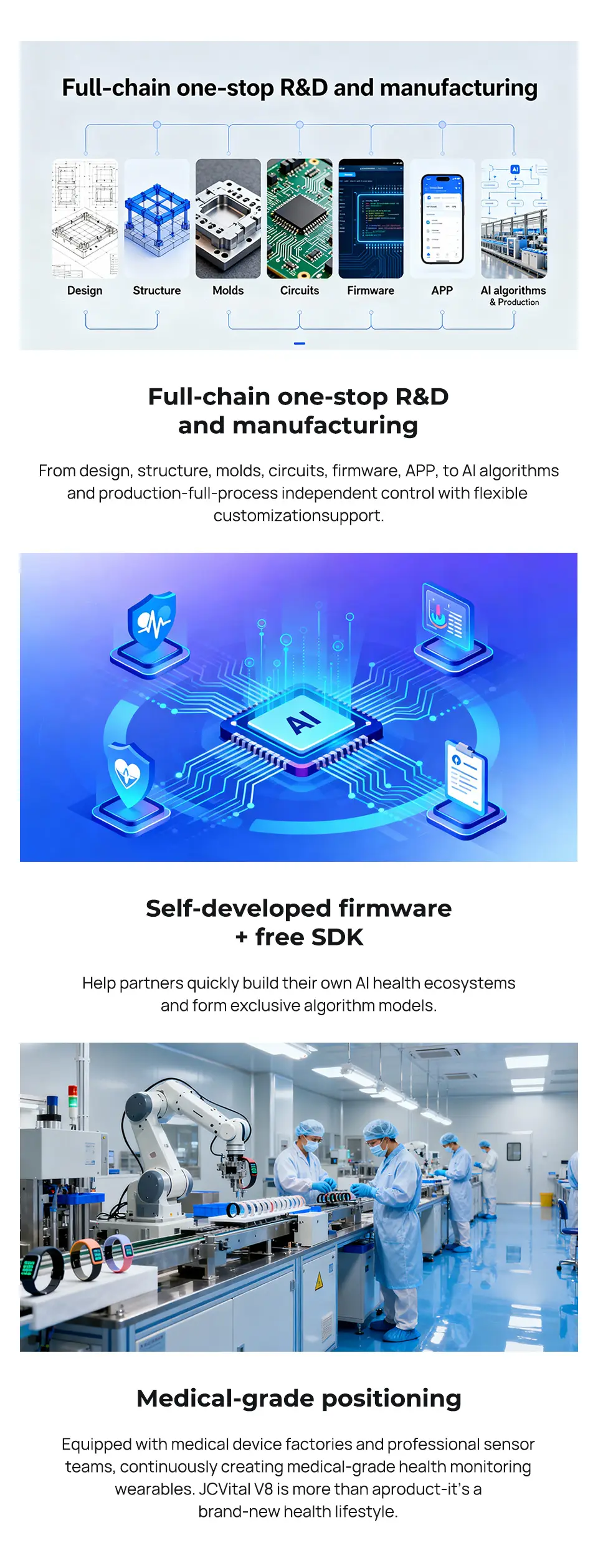
Before approaching any manufacturer, it's essential to understand the two primary partnership models — and which is right for your project stage and resources.
ODM (Original Design Manufacturing)
The manufacturer designs and engineers the ECG smart band. You select a proven model, apply your branding, and optionally customize elements such as strap design, app UI, packaging, and firmware features. ODM is ideal for brands and platforms that want faster time-to-market with lower upfront investment, leveraging the manufacturer's existing R&D, certifications, and production infrastructure.
OEM (Original Equipment Manufacturing)
You provide detailed design and engineering specifications; the manufacturer executes production. OEM offers deeper product differentiation but requires significant upfront investment in hardware design, clinical validation, and regulatory compliance. Best suited for established health tech brands with dedicated R&D teams or proprietary technology IP to integrate.
White Label (Private Label)
A subset of ODM: you rebrand an existing, off-the-shelf ECG smart band product with minimal modifications. The fastest and most cost-effective entry path, well-suited for market testing, pilot programs, and brands entering a new category. Full SDK/API access from the manufacturer is critical here.
Professional recommendation: Most B2B buyers benefit from starting with an ODM or white-label approach — particularly if the ECG smart band is not your core hardware competency. A professional manufacturer like J-Style supports both ODM and OEM, allowing brands to start with ODM and evolve into fully customized OEM as volume and differentiation requirements grow.
3. Seven Critical Criteria for Choosing an ECG Smart Band Manufacturer
Choosing the right ECG smart band manufacturer is a multi-dimensional evaluation. Below are the seven criteria that matter most for B2B buyers in 2026.
1. ECG-Specific Manufacturing Experience
Verify that the factory has shipped ECG smart bands and bracelets at scale — not just fitness trackers or optical-only heart rate bands. ECG electrode design, signal quality, and firmware algorithms require specialized expertise that cannot be improvised.
2. Sensor Quality & Signal Accuracy
The ECG sensor and algorithm pairing determines clinical usefulness. Ask for validation data: how is the ECG signal validated against a reference electrocardiogram? Look for single-lead ECG with HRV, arrhythmia, and atrial fibrillation analysis capabilities supported by validated algorithms.
3. SDK & API Integration Depth
For platform and enterprise clients, the ability to access raw or processed ECG data via open SDK and Cloud API is essential. This is what distinguishes a device supplier from a true digital health solution partner.
4. Certifications & Regulatory Compliance
ISO 13485 for medical-grade quality management is non-negotiable. Verify CE, FCC, RoHS, and BSCI. For healthcare deployments, understand the manufacturer's position on FDA clearance and EU MDR compliance pathways.
5. Customization Flexibility
Assess the range of customizable elements: hardware casing, strap materials and colors, firmware features, app UI branding, packaging design, and multilingual app support. Flexible manufacturers support both minor white-label customization and full ODM design iterations.
6. Battery Life & Wearability
For healthcare and chronic disease management applications, battery life directly affects data continuity and user compliance. ECG smart bands optimized for continuous 24/7 monitoring should offer 5–14 days on a single charge depending on usage mode.
7. Long-Term Partnership Capability
Evaluate the manufacturer's cloud platform, post-launch firmware update support, marketing enablement resources, and IP protection policies. A genuine ODM/OEM partner invests in your product's long-term success, not just the initial shipment.
4. Certifications & Compliance: What You Must Verify
For any ECG smart band destined for healthcare, insurance, or regulated wellness applications, certifications are not marketing decorations — they are the foundation of market access and liability management. When evaluating an ECG wearable manufacturer, verify the following:
Essential Certifications
- ISO 13485— Medical device quality management system standard. This is the baseline for any manufacturer supplying health-grade wearable devices. Without it, long-term reliability and regulatory defensibility are questionable.
- CE Marking— Required for the European market. For ECG devices classified as medical devices under EU MDR 2017/745, confirm the device's classification (Class I, IIa, etc.) and applicable conformity route.
- FCC Certification— Required for US market BLE/wireless device compliance. Verify FCC ID with the public database.
- RoHS Compliance— Restriction of Hazardous Substances. Required for EU import and increasingly expected globally.
- BSCI Audit— Business Social Compliance Initiative. Increasingly required by enterprise procurement and retail chains.
Market-Specific Compliance Considerations
If your target market includes clinical or reimbursable healthcare applications, work with your manufacturer early on FDA De Novo or 510(k) pathway feasibility (US), UKCA marking (UK post-Brexit), and local medical device registrations in markets like Japan (PMDA), Brazil (ANVISA), and Southeast Asia. A capable manufacturer will have navigated these pathways with previous partners and can provide guidance accordingly.
Practical tip: Request copies of active certificates — not just logos. Verify ISO 13485 certificate scope (it must specifically include design and manufacturing of wearable medical devices, not just a generic quality management system). J-Style holds ISO 13485, CE, FCC, RoHS, and BSCI certifications across its smart band product range.
5. SDK & API Integration: The Hidden Differentiator
For digital health brands, telehealth platforms, insurance tech companies, and corporate wellness operators, the hardware is only half the equation. The real value is in what you can do with the ECG data — and that depends entirely on your manufacturer's SDK and API offering.
What to Evaluate in SDK/API Support
- Raw signal access:Can you retrieve raw ECG waveform data, or only processed metrics? Raw access is essential for clinical validation and AI algorithm development.
- BLE protocol documentation:Is the BLE communication protocol fully documented and accessible? Undocumented protocols create long-term lock-in risk.
- Cloud API availability:Does the manufacturer offer a Health Cloud API for server-side data retrieval, analytics, and alert management?
- Multi-platform SDK:Is the SDK available for both iOS and Android? Is it regularly maintained and updated?
- Third-party ecosystem compatibility:Can the data be pushed to major health platforms (Apple Health, Google Health Connect, Epic, etc.)?
- No hidden subscription for SDK access:As of the date of publication (March 2026), J-Style provides SDK and API access to qualified ODM/OEM partners without mandatory recurring subscription fees. Confirm the current terms directly with the manufacturer before signing agreements.
Why this matters: Two ECG smart bands with identical hardware can deliver very different business outcomes depending on the depth of data access the manufacturer provides. A manufacturer that limits SDK access creates permanent dependency. A manufacturer with an open, documented SDK is a genuine digital health ecosystem partner.
6. Product Spotlight: JCVital V8 ECG Smart Band
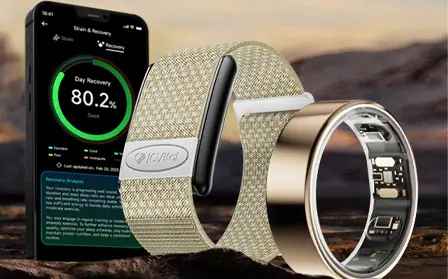
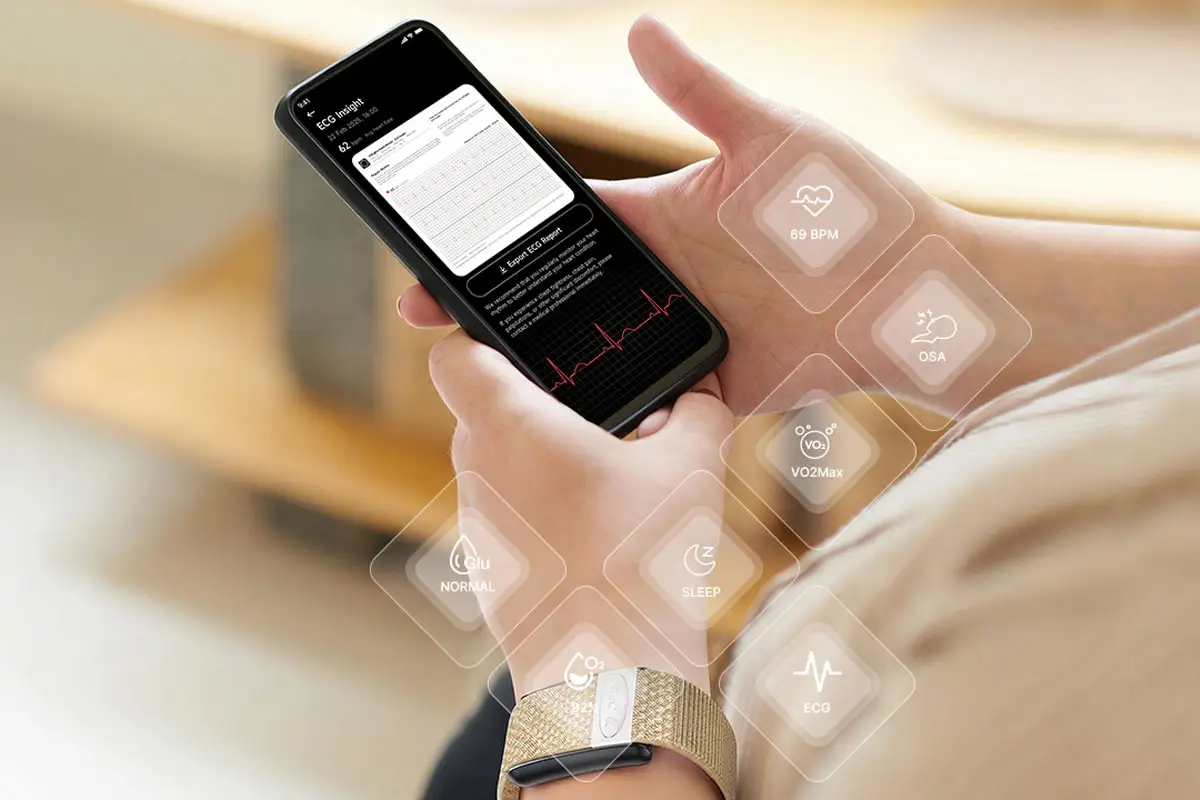
When evaluating what a production-ready ECG smart band ODM platform looks like in 2026, J-Style's JCVital V8 provides a strong reference point. Built specifically for ODM/OEM partners in digital health, telehealth, and wellness platform verticals, the V8 integrates medical-grade ECG sensing with AI-driven health analytics in a slim, everyday-wear form factor.
JCVital V8 ECG Smart Band
Next-generation ECG smart bracelet for ODM/OEM partnerships. Medical-grade sensors, AI algorithms, and open SDK — purpose-built for digital health platforms, telehealth operators, and branded wellness programs.
ECG + HRVBGEM Glucose RiskSpO₂ Medical GradeAI Health InsightsOpen SDK/APINo Subscription*ISO 13485CE / FCC / RoHS
20+Years Manufacturing
Key Technical Capabilities
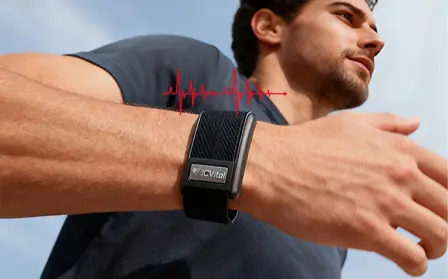
- Medical-grade ECG monitoring— Single-lead ECG with validated signal quality for HRV analysis, arrhythmia screening, and atrial fibrillation risk assessment.
- BGEM proprietary glucose risk assessment— Multi-sensor fusion AI model for non-invasive blood glucose trend prediction. A major differentiator for chronic disease management platforms.
- Continuous SpO₂ monitoring— Medical-grade blood oxygen saturation measurement suitable for sleep apnea screening and respiratory health monitoring.
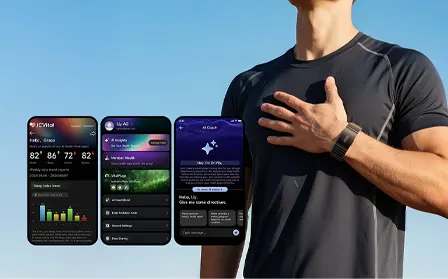
- 24/7 HRV tracking— High-frequency heart rate variability data for stress assessment, recovery analysis, and AI health coaching integration.
- AI Health Coach integration— On-device and cloud-based AI algorithms delivering personalized health insights, biological age (BioAge) assessment, and proactive health risk warnings.
- Women's health features— Menstrual cycle prediction, ovulation tracking, and pregnancy health management — expanding addressable use cases.
- Open SDK + Cloud API— Full data access for platform integration. As of March 2026, SDK/API access is available to qualified ODM/OEM partners without a mandatory subscription fee.
*"No subscription fee" refers to J-Style's current policy for qualified ODM/OEM partner SDK access as of the date of publication (March 24, 2026). Terms are subject to change; confirm current terms directly with J-Style prior to contract execution.
7. OEM vs ODM vs White Label: Comparison at a Glance
|
Criteria |
|||
|
Time to Market |
⚡ Fastest (weeks) |
🕐 Moderate (2–4 months) |
🕑 Longest (6–18 months) |
|
Upfront Investment |
💚 Lowest |
💛 Moderate |
🔴 Highest |
|
Product Differentiation |
Brand only |
Design + firmware + app |
Full hardware differentiation |
|
Certifications |
✔ Provided by manufacturer |
✔ Shared / transferable |
✗ Brand must acquire own |
|
R&D Required |
None |
Minimal |
Significant |
|
IP Ownership |
Brand (branding only) |
Shared / negotiated |
Brand (full) |
|
Ideal For |
Pilots, market tests, fast launches |
Growth-stage brands, platform integrations |
Established health tech brands |
|
SDK/API Access |
✔ Available |
✔ Full access |
✔ Full access |
8. Step-by-Step: How to Start Your ECG Smart Band ODM/OEM Project
1.Define Your Use Case and Target User
Is this for consumer wellness, clinical remote monitoring, corporate health programs, or insurance wellness? Your use case determines which ECG metrics matter most, what certifications are required, and which partnership model (ODM vs OEM) makes sense. Clarity here prevents costly direction changes later.
2. Confirm Your Data Flow Architecture
Map the complete data pathway: device → mobile app or gateway → your server → your dashboard or analytics system. Confirm which components you will build and which the manufacturer provides. SDK/API documentation review should happen at this stage, not after signing.
3. Shortlist and Evaluate Manufacturers
Request sample devices, not just specification sheets. Evaluate ECG signal quality firsthand, SDK documentation completeness, and responsiveness of the technical support team. Verify all certifications against the issuing body's registry.
4.Run a Proof of Concept (PoC) Pilot
Before committing to production volumes, run a small-batch pilot (typically 50–200 units) to validate device performance in real-world conditions, SDK integration with your platform, and end-user acceptance. Define pilot success metrics in advance.
5.Negotiate IP, NDA, and Exclusivity Terms
Protect your customizations through NDA and clearly defined IP ownership clauses. For ODM, specify what is standard product and what is your custom investment. Discuss geographic or category exclusivity if volumes justify it.
6.Plan for Scale and Ongoing Support
Confirm the manufacturer's production capacity for your growth scenario. Establish firmware update and bug fix SLAs. Understand the post-launch support model for hardware issues, replacement parts, and next-generation product roadmap alignment.
9. Red Flags: 5 Warning Signs to Avoid
Not every factory claiming to be an "ECG smart band manufacturer" has the capabilities to back it up. Watch for these warning signs during the evaluation process:
- No verifiable ISO 13485 certificate— A manufacturer producing health-grade ECG devices without ISO 13485 is operating without a medical-grade quality management system. This creates regulatory risk for your brand.
- Vague or closed SDK documentation— If a manufacturer cannot provide detailed SDK/API documentation before signing, or requires an NDA just to see API specs, expect integration friction and data access restrictions post-launch.
- No reference customers or deployments in your vertical— Ask for examples of similar ECG smart band deployments (healthcare, telehealth, wellness platforms). A manufacturer learning on your project is a timeline and quality risk.
- Unusually low MOQ with no pilot process— Legitimate ECG smart band manufacturers support pilots and validate devices in your real-world environment. Skipping pilot validation to rush into large orders is a red flag for both device quality and support capability.
- Unclear IP and exclusivity terms— If a manufacturer cannot clearly explain what is their standard product vs. your custom development, or refuses to discuss NDA for design customizations, your differentiation investment may not be protected.
10. Frequently Asked Questions
Q: What is the difference between OEM and ODM for ECG smart bands?
A: OEM (Original Equipment Manufacturing) means you provide the design specifications and the manufacturer builds to your requirements. ODM (Original Design Manufacturing) means the manufacturer already has a proven design — such as the JCVital V8 ECG Smart Band — that you brand and customize. Most B2B buyers start with ODM for faster time-to-market and lower investment, then evolve into OEM for deeper differentiation over time.
Q: What certifications should an ECG smart band manufacturer have?
A: A reliable ECG smart band manufacturer should hold ISO 13485 (medical-grade quality management system), CE marking (EU market), FCC certification (US market), RoHS compliance, and BSCI auditing. For healthcare applications requiring clinical claims, additional FDA clearance or EU MDR conformity assessment may be required depending on your intended use and target market.
Q: Does J-Style provide SDK and API access for ECG smart band ODM/OEM partners?
A:Yes. J-Style provides open SDK and Cloud API integration for its ECG smart bands, including the JCVital V8. Partners can access real-time ECG, HRV, SpO₂, glucose risk assessment, and other biometric data for integration into their own apps, telehealth platforms, or enterprise dashboards. As of March 24, 2026, SDK/API access is available to qualified ODM/OEM partners without a mandatory subscription fee. Please confirm current terms directly with J-Style at the time of engagement.
Q: What is the typical MOQ for ECG smart band ODM/OEM?
A: MOQ varies by project type and customization depth. J-Style supports both small-batch pilot orders and large-scale mass production. White-label and light-customization ODM arrangements typically carry lower MOQs than full OEM projects. Contact J-Style's B2B team directly with your project scope for a tailored production quote.
Q: How long does it take to go from ODM agreement to first shipment?
A: For white-label arrangements with minimal customization, lead time can be as short as 4–8 weeks from agreement to first shipment. For ODM projects involving firmware customization, app branding, and hardware modifications, typical timelines range from 8–16 weeks. Full OEM projects with new industrial design and tooling typically require 6–12 months. J-Style's project management team provides milestone timelines as part of the ODM/OEM proposal process.
Q: Can an ECG smart band be used for clinical applications?
A: ECG smart bands with appropriate regulatory clearance can support clinical applications such as atrial fibrillation screening, remote cardiac monitoring, and chronic disease management data collection. The specific intended use determines the regulatory classification and required clearances. J-Style provides regulatory guidance as part of its ODM/OEM partnership process. Always consult qualified regulatory affairs professionals before making clinical use claims for any device.
Ready to Source Your ECG Smart Band ODM/OEM Partner?
J-Style has served 100+ countries and 1,000+ partner brands over 20+ years of smart wearable manufacturing. Connect with our B2B team to explore ODM/OEM options for ECG smart bands.
Request ODM/OEM QuoteView JCVital V8 Specs
✍️
J-Style B2B Editorial Team
J-Style (Jointcorp / Youhong Medical) is a global pioneer in digital health wearables with 20+ years of manufacturing experience, 4 production facilities, and 50M+ device users worldwide. Serving ODM/OEM partners across digital health, telehealth, insurance wellness, and corporate health programs in 100+ countries.