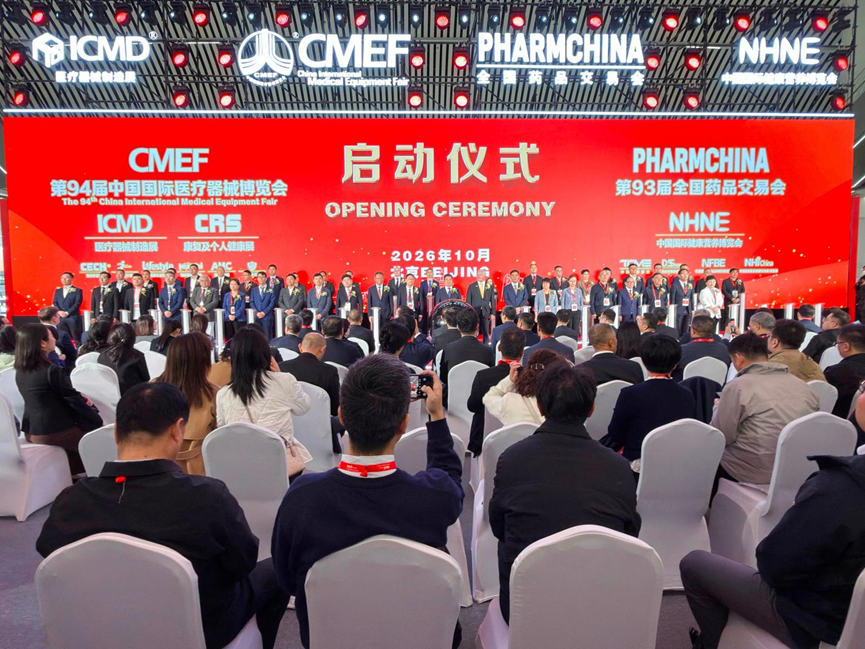
J-Style presented smart rings, screen-free smart bands and connected digital health solutions at Phase 1 of the 140th China Import and Export Fair in Guangzhou from October 15–19, 2026. The five-day event gave the team an opportunity to discuss product evaluation, brand customization, integration requirements and market applications with international buyers and potential partners.
October 19, 2026 | Guangzhou, China
The 140th China Import and Export Fair—widely known as the Canton Fair—brought manufacturers and buyers together in Guangzhou for its autumn session. According to the official Canton Fair schedule, Phase 1 ran from October 15 to 19 and focused on advanced manufacturing categories, including consumer electronics and intelligent manufacturing.
For J-Style, the exhibition was an opportunity to connect its wearable-device development experience with the practical questions global buyers ask before starting a new product program. Discussions at the booth covered product positioning, user scenarios, branding, software connectivity, sample evaluation and the boundaries between standard OEM programs and deeper ODM development.
International Buyers Discussed Wearable Product Requirements
Throughout the five-day exhibition, visitors compared product form factors, wearing experience and potential applications across different markets. Rather than treating a wearable as an isolated piece of hardware, many conversations considered the complete product journey—from device selection and industrial design to firmware behavior, mobile applications, data presentation and post-launch support.
These conversations highlighted a recurring B2B requirement: a commercially viable wearable program needs alignment between hardware, software, validation and the buyer’s target market. Product features alone are not enough. Procurement and product teams also need to understand what can be customized, which items depend on the selected model, how samples should be evaluated and which requirements must be confirmed before mass production.
J-Style combined product demonstrations with technical and commercial discussions so visitors could evaluate both the physical devices and the wider cooperation process. Follow-up discussions after the fair will focus on qualified project requirements, sample evaluation and project-specific solution scope.
Smart Rings and Screen-Free Wearables at the Booth
JCRing Med X3 Smart Ring
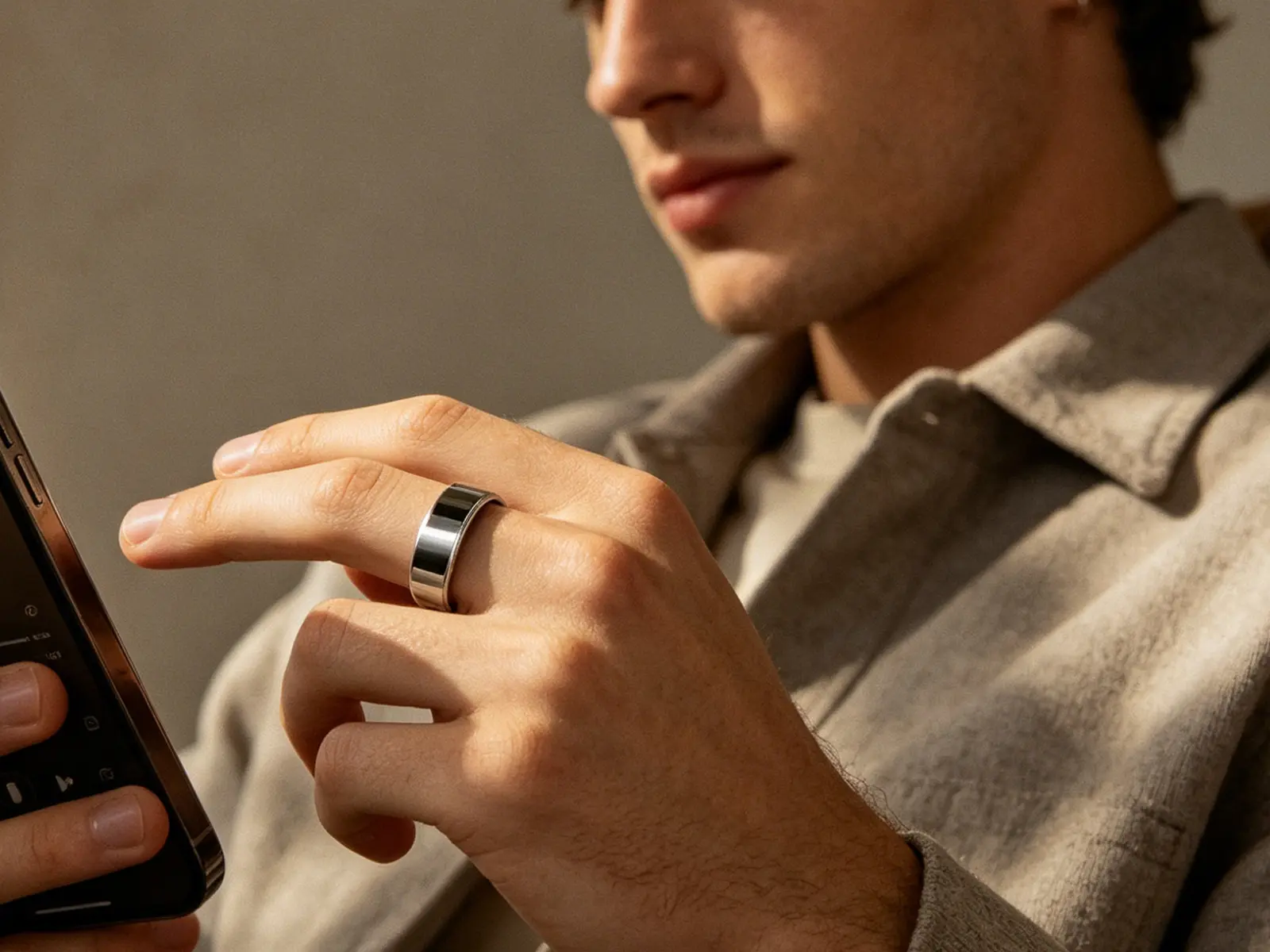
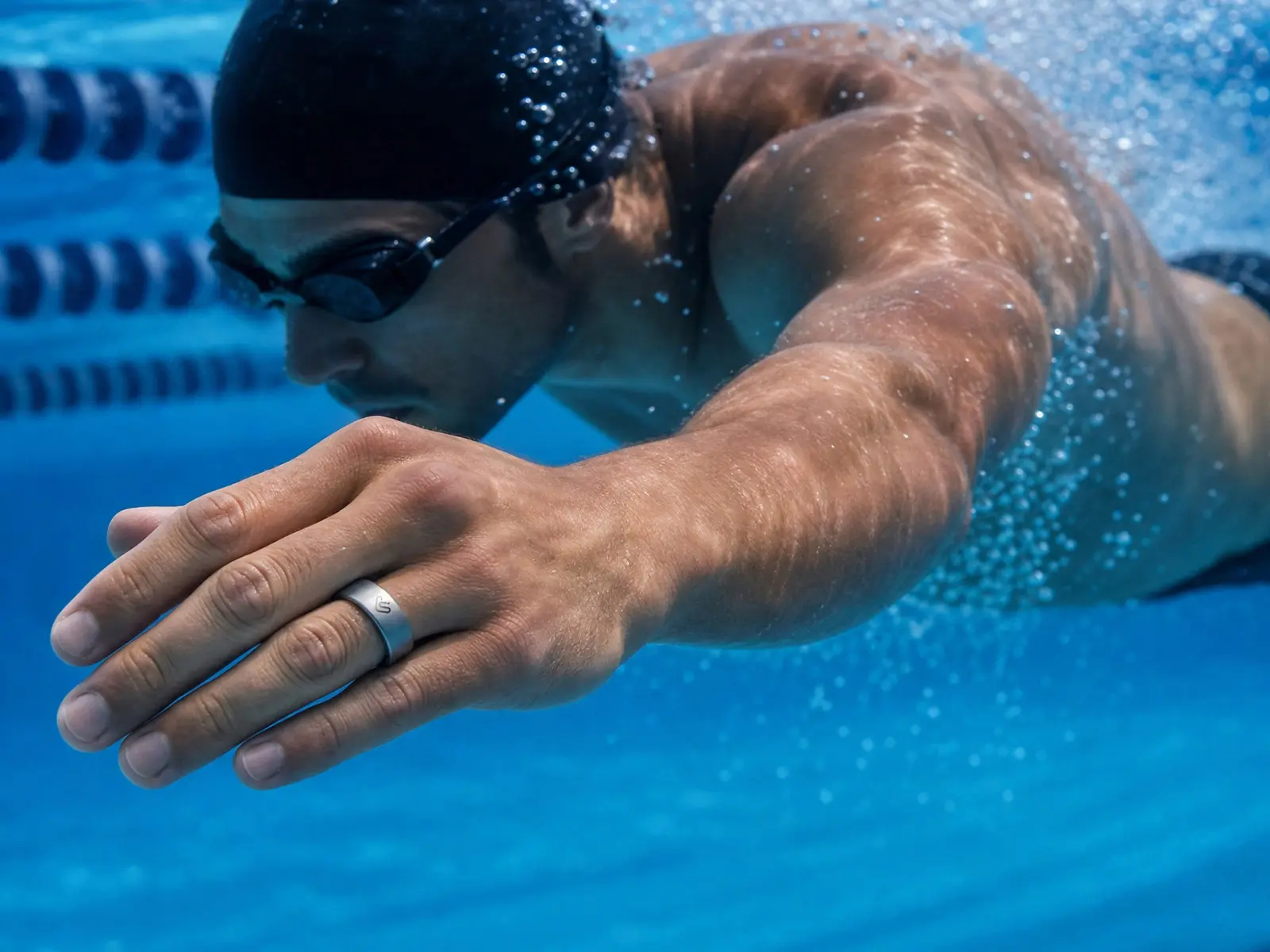
The JCRing Med X3 was presented as part of J-Style’s smart-ring portfolio. Its compact ring form factor supported conversations about continuous-wear design, nighttime use, user comfort and how wearable data may be presented through a connected application.

Any measurement mode, health insight, regulatory status or market availability for the X3 must be evaluated against the exact product configuration, intended market and approved documentation. General demonstrations at an exhibition do not replace product-specific technical and regulatory review.
JCVital Pro V8 Screen-Free Smart Band
The JCVital Pro V8 demonstrated a screen-free wearable direction designed to reduce on-wrist information distraction and shift more of the user experience to the connected software environment.
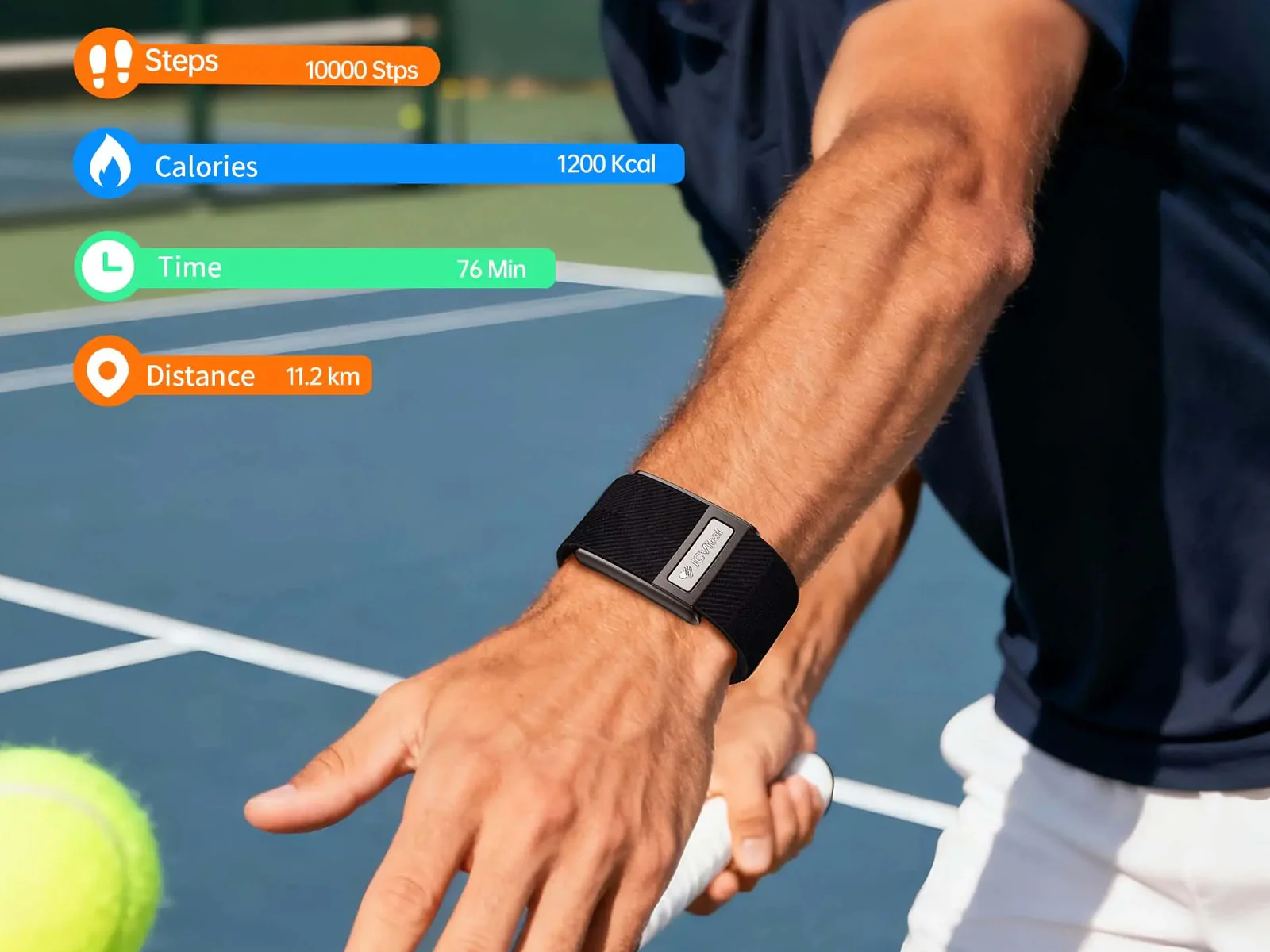
For B2B buyers, a screen-free format raises important product decisions: how users receive feedback, which information belongs on the device or in the app, how charging and wearing routines affect adherence, and how the product should fit a particular brand or service model. Available functions, interfaces and customization scope remain dependent on the selected product and project requirements.
From Wearable Hardware to Connected Digital Health
The booth also introduced J-Style’s broader direction from devices to data, AI-enabled insights and connected health services. In this model, the wearable device acts as a data-entry point, while applications and cloud services support information presentation, trend review and program-level user experiences.
Demonstrations included examples of visual status presentation, AI-assisted interpretation concepts and periodic trend reporting. These examples were used to discuss how devices, applications and platforms may work together in a digital health program. They should not be interpreted as proof that every function is available on every product, or as a substitute for clinical or regulatory validation.
Buyers interested in connected projects can review J-Style’s digital health monitoring platform and then confirm the required device, data fields, SDK or API scope, firmware behavior, application responsibilities and deployment model with the project team.
What Buyers Explored at Canton Fair
| Discussion area | Typical buyer question | What must be confirmed |
|---|---|---|
| Product selection | Which wearable format fits the target user and use case? | Form factor, wear duration, target market, required metrics and commercial positioning |
| OEM branding | Can the standard product support private-label launch? | Logo, color, packaging, documentation, order quantity and model-specific options |
| ODM development | Which hardware, firmware or software elements may be changed? | Architecture, engineering feasibility, validation, tooling, certification and project schedule |
| Data integration | Can the wearable connect to an existing app or platform? | Selected model, available SDK/API, data definitions, permissions, security and integration ownership |
| Sample evaluation | How should the team assess the product before committing? | Acceptance criteria, test conditions, firmware version, sample quantity and decision responsibilities |
Turning Exhibition Conversations into Evaluated Projects
After the fair, J-Style will continue qualified discussions with buyers that have defined target markets, product requirements and evaluation plans. A productive next step is normally not an immediate mass-production commitment. It is a structured review of requirements followed by the appropriate product information, sample evaluation or project feasibility discussion.
MOQ generally starts from 1,000 units, although the actual requirement varies by model and project. Standard private-label OEM programs typically require about four to eight weeks for the first batch, while deeper ODM projects involving hardware changes, firmware customization, algorithm adaptation, tooling or certification testing may require four to six months. The schedule must be confirmed at project kickoff based on the approved scope.
Before evaluating samples, buyers may also use J-Style’s wearable acceptance criteria guide to define functional, integration, reliability and documentation checks. This helps turn a trade-show demonstration into a controlled product decision.
Thank You to Visitors and Partners
J-Style thanks every visitor, buyer and partner who joined the team at the 140th Canton Fair. Product demonstrations, technical questions and market feedback all contribute to better product planning and more realistic cooperation discussions.
As J-Style continues developing its devices-to-data direction, the company will keep focusing on practical wearable engineering, connected experiences and commercially workable OEM/ODM cooperation for international partners.
Planning a smart-ring, smart-band or connected wearable project? Contact J-Style to discuss your target market, product requirements and evaluation plan.