Updated 37 minutes ago
J-Style Showcases AI Wearables at CMEF Beijing 2026
youhong
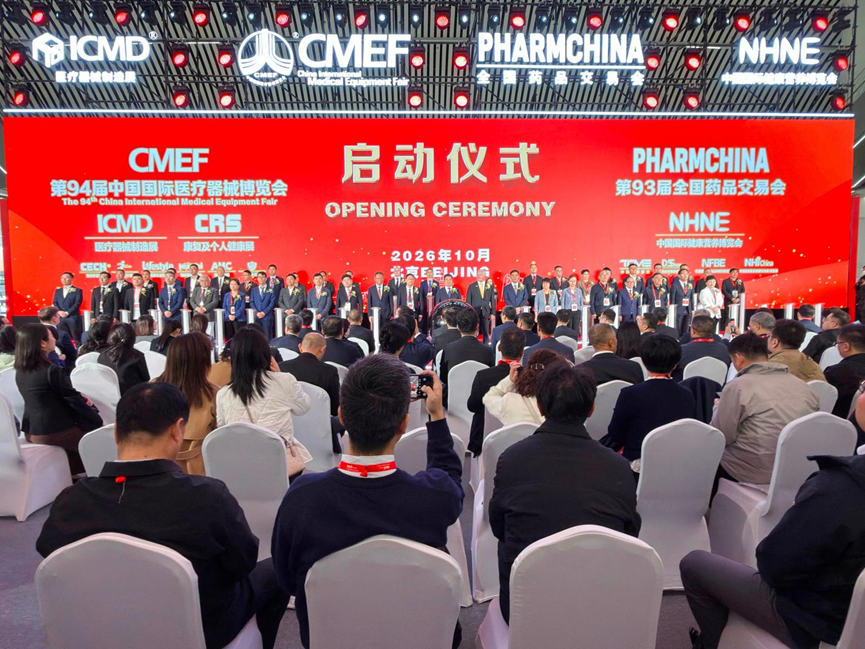
J-Style presented smart rings, screen-free smart bands and connected digital health technology at the 94th China International Medical Equipment Fair (CMEF), held in Beijing from October 21–24, 2026. The exhibition highlighted how wearable sensing, longitudinal data and AI-assisted analysis can support health-management applications when product functions, evidence and regulatory scope are communicated clearly.
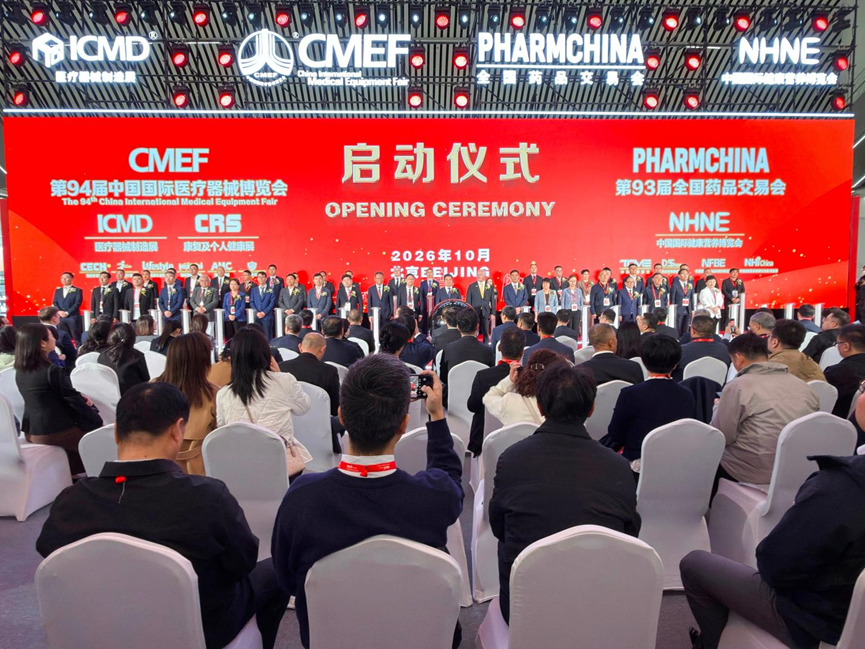
J-Style at the 94th CMEF in Beijing
The 94th CMEF took place at the Capital International Exhibition and Convention Center in Beijing. The official CMEF visitor information lists the exhibition dates as October 21–24, 2026 and describes the event as a meeting point for medical-device manufacturers, healthcare-technology companies, distributors, institutions and other industry participants.
For J-Style, the exhibition provided an opportunity to present wearable product concepts and discuss how sensing hardware, software interfaces, data analysis and cloud services may work together in connected health-management systems. The company’s display included smart-ring and screen-free smart-band formats designed for different wearing preferences and data-collection scenarios.
This Beijing event is distinct from the spring 2026 CMEF exhibition in Shanghai. Keeping the event number, city and dates explicit helps buyers, media and search systems distinguish the two appearances.
Overseas Media Distribution and Coverage
A press release titled “J-Style Showcases Smart Rings and AI Health Wearables at CMEF 2026” was published on AP News through MarketersMEDIA on October 26, 2026. The release describes J-Style’s participation in the Beijing exhibition, the wearable products shown and the company’s direction in connected digital health.
The distinction matters: this is a distributed press-release page hosted on AP News, rather than independent reporting written by the AP newsroom. J-Style cites the page as evidence of international press-release distribution and does not present it as an editorial endorsement by The Associated Press.
Additional overseas and industry publications may also republish or discuss the release. Each placement should be described according to its actual format—editorial reporting, interview, contributed article or syndicated press release—so partners can assess the source accurately.
Why Wearable Health Technology Is Moving Beyond Data Collection
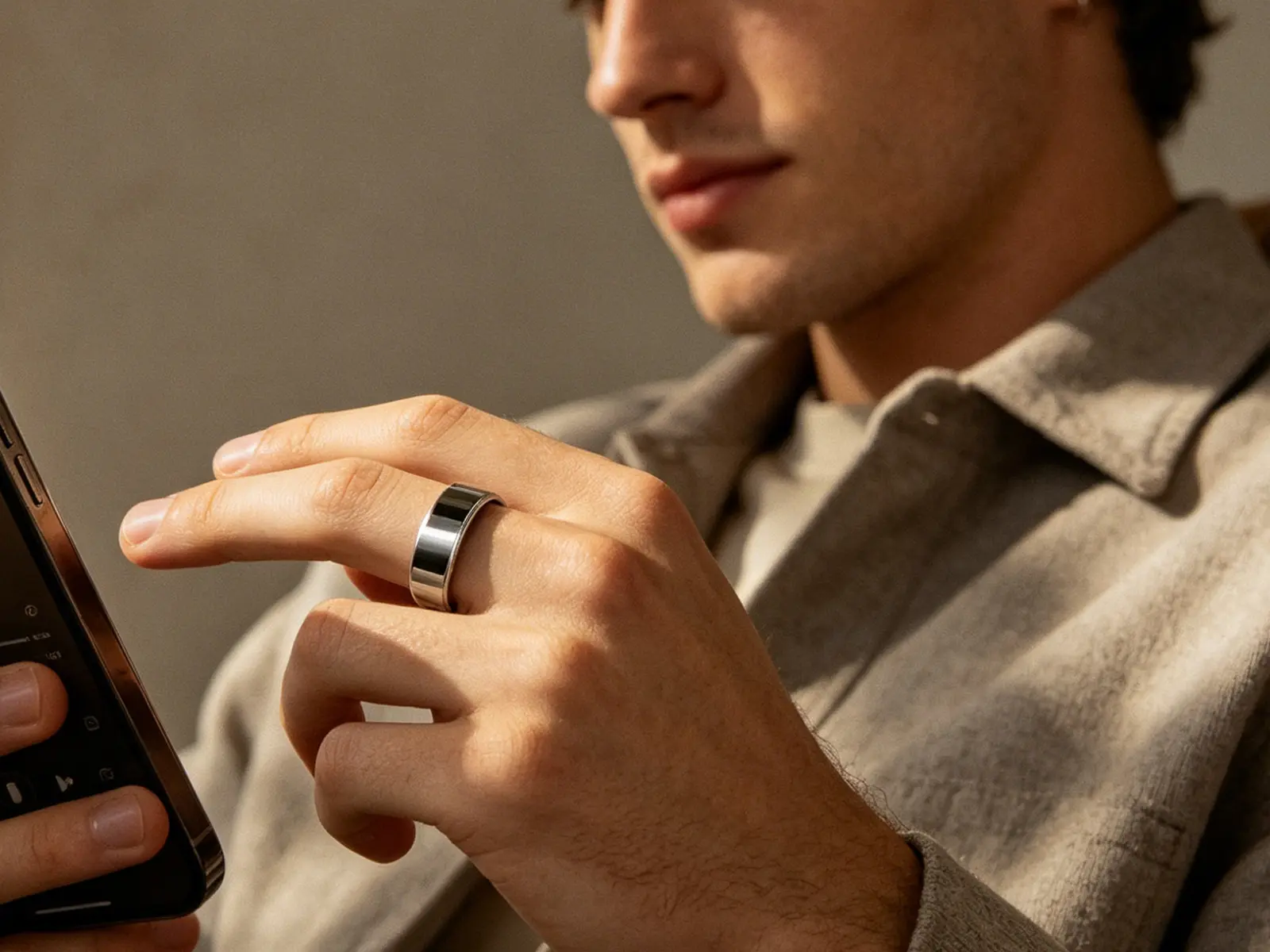
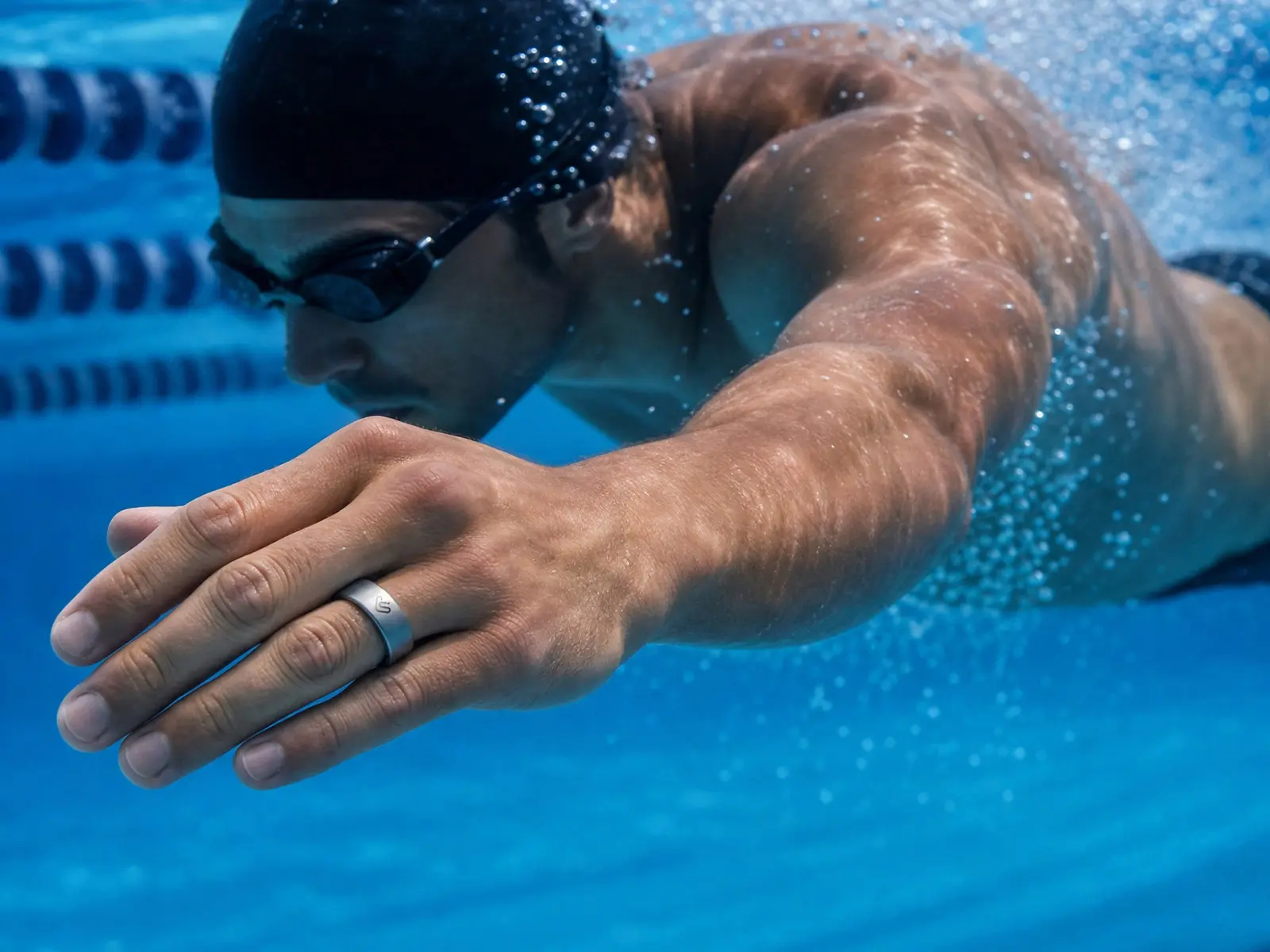
Wearable devices can make repeated health-related observations more practical during daily life. A smart ring or screen-free band may collect supported signals across longer periods than an occasional manual measurement, subject to the selected model, wearing conditions, sensor contact, firmware and intended use.
Continuous collection alone does not guarantee useful insight. A credible wearable system also needs defined signal-quality controls, transparent data processing, validated algorithms, stable timestamps, appropriate privacy safeguards and a clear explanation of what each output means. Product teams must separate measurement from estimation, trends from diagnosis and wellness information from registered medical-device functions.
Biosensors provide inputs, while firmware and algorithms transform those inputs into records and metrics. Connected applications and cloud services can then organize information for users or authorized business systems. Each layer introduces its own technical dependencies and limitations; no single sensor or AI label proves the performance of the full system.
JCRing Med X3: Keep Registered Functions and Wellness Features Separate
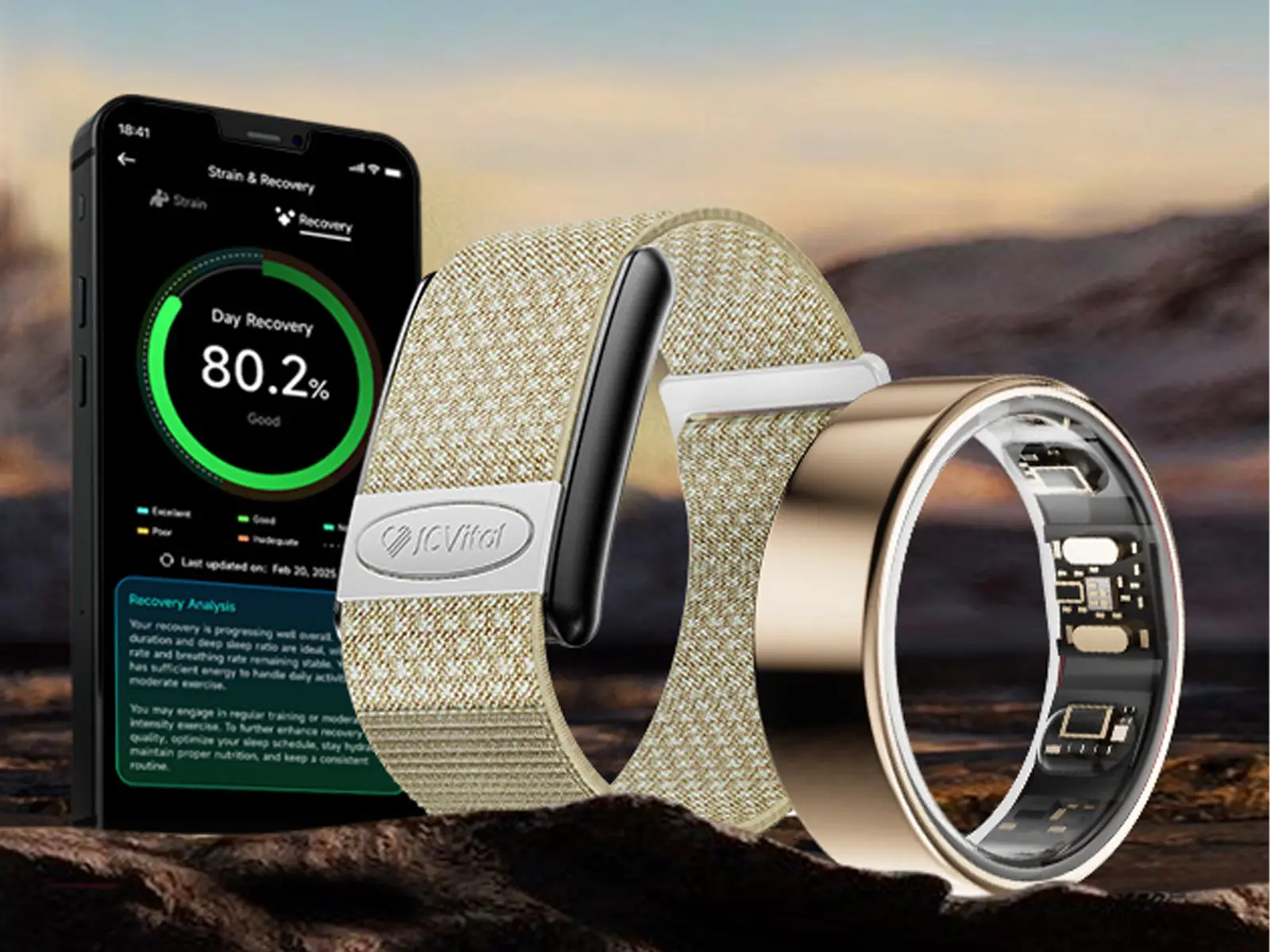
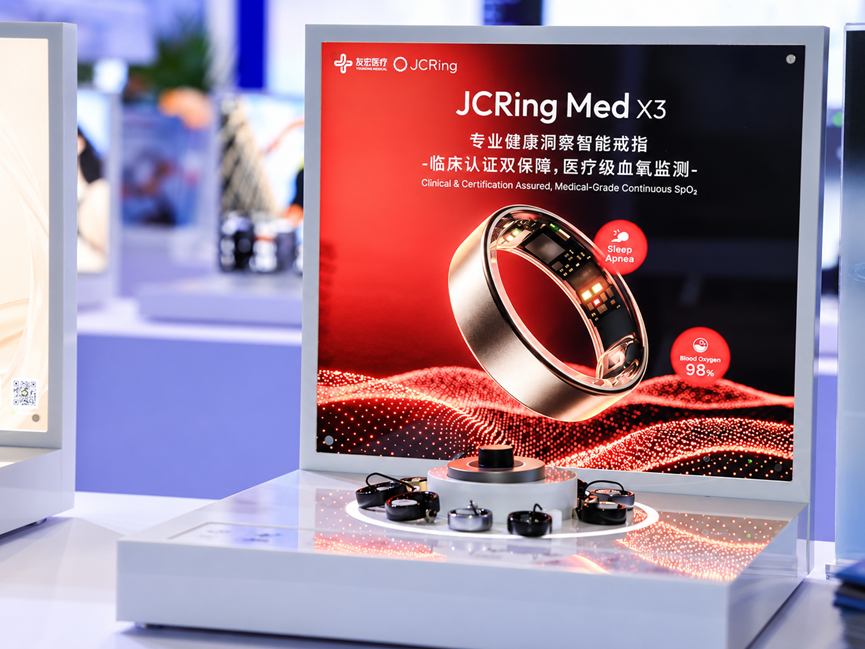
Among the products presented was the JCRing Med X3 smart ring. The distributed release states that a China Class II medical-device registration covers blood oxygen saturation and pulse-rate measurement in adults. Regulatory use must remain limited to the exact registered product, entity, intended use, version and market stated in the applicable certificate.
Other health-management functions described for the ring—including sleep-related information and AI-assisted risk insights—must remain separate from the registered measurement scope unless independently covered by applicable evidence and authorization. Such functions should not be represented as diagnosis, treatment or replacements for conventional medical measurement.
This separation is important for distributors and digital-health partners. A procurement team should request the applicable certificate, labeling, intended-use statement, software version and supporting documentation before relying on a regulatory claim for a particular market.
JCVital Pro V8: Screen-Free Wearable Design
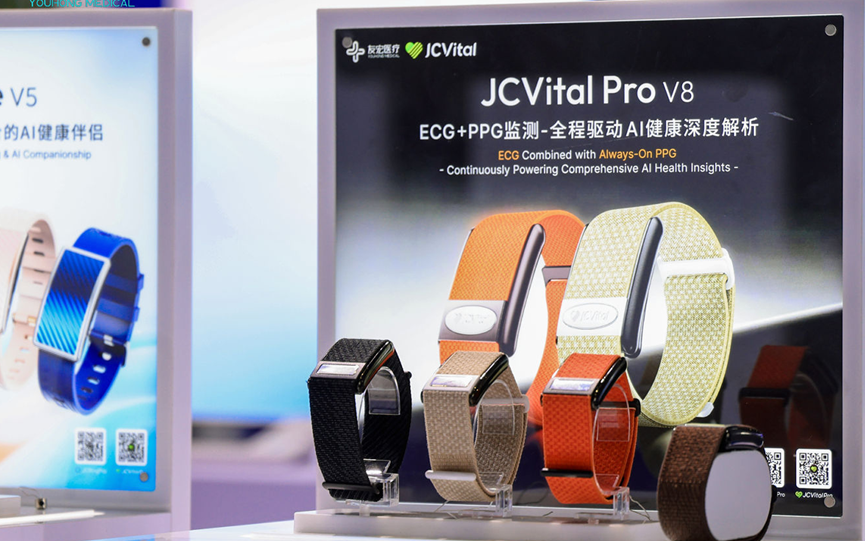
J-Style also presented the JCVital Pro V8 screen-free smart band. Its design shifts detailed interaction away from the wrist and toward connected digital interfaces, supporting a wearing experience focused on ongoing data collection rather than on-device notifications.
According to the current product information, the V8 is specified with an IP68 rating and battery life that can reach approximately 15 days, depending on configuration, enabled functions, operating conditions and usage. These specifications should be confirmed for the exact version being evaluated and should not be treated as universal results across all settings.
For a B2B project, buyers should evaluate more than the headline specification. Relevant questions include data availability, mobile-platform compatibility, synchronization behavior, charging workflow, sensor configuration, SDK or API scope, firmware versioning and acceptance tests under the intended operating scenario.
From Devices to Connected Digital Health Services
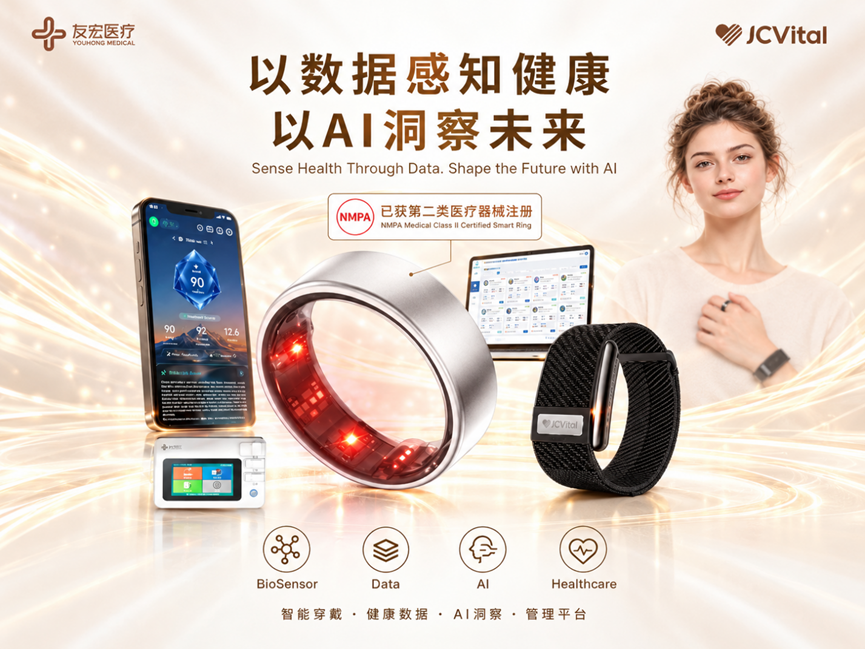
J-Style’s longer-term direction is Devices → Data → AI → Healthcare. This describes a development path, not proof that every capability is available in every product. A practical connected system may include:
| Layer | Role | Buyer question | Evidence to request |
|---|---|---|---|
| Wearable device | Collect supported signals under defined conditions | Which model, sensors and firmware are included? | Model specification, sample and test configuration |
| Firmware and BLE | Control device behavior and data exchange | Which records and commands are accessible? | Versioned interface documentation and test results |
| App, SDK or API | Present or integrate supported data | Is access local, cloud-based or both? | Integration scope, permissions and compatibility matrix |
| Analytics | Process records into metrics or trends | What is measured, estimated or inferred? | Metric definitions, limitations and validation approach |
| Health application | Support an approved user or business workflow | What claims and regulatory obligations apply? | Intended-use, privacy, security and compliance review |
Partners considering integration can review J-Style’s digital health monitoring cloud platform and then request product-specific interface information. SDK or API availability depends on the selected product and project scope and should be confirmed during technical evaluation.
What B2B Buyers Should Verify After an Exhibition
- Confirm the exact product model, hardware revision and firmware version shown.
- Separate registered medical-device functions from wellness and health-management features.
- Request the applicable certificate and verify its entity, intended use, market and validity.
- Define which data is measured, estimated, processed or generated by an algorithm.
- Confirm whether required information is available through BLE, an SDK, an app or a cloud API.
- Evaluate samples under the intended wearing, synchronization and operating conditions.
- Review privacy, security, consent and data-residency responsibilities for the target market.
- Agree on customization scope, acceptance evidence and release responsibility before development.
This checklist helps turn an exhibition conversation into a controlled product and integration evaluation. Buyers can also review the wearable acceptance criteria guide when defining measurable project requirements.
Industry Collaboration After CMEF
CMEF gives manufacturers, distributors, healthcare-technology companies and solution providers a shared setting for discussing product requirements and market needs. Follow-up work should focus on evidence: the selected device, supported interface, regulatory boundaries, sample results and the responsibilities of each project participant.
J-Style works with B2B partners exploring smart rings, screen-free bands and connected wearable-health solutions. Product functions, customization, SDK or API access, validation and commercial conditions are confirmed according to the selected model and agreed project scope.