Updated 17 hours ago
Wearable Waterproof Testing: A B2B Engineering Guide
youhong
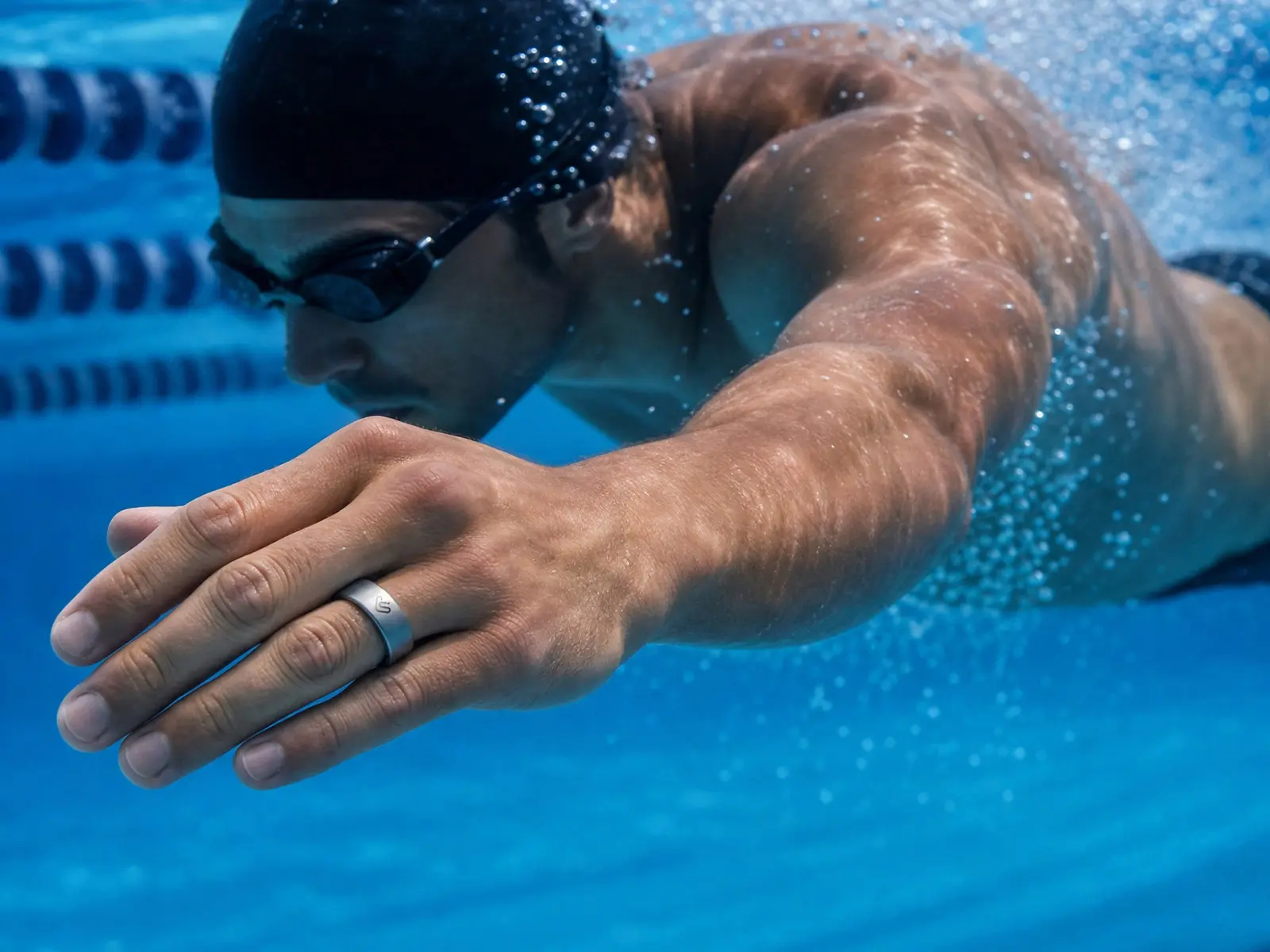
Wearable waterproof testing should begin with defined use cases, not a rating chosen for marketing. Teams should translate rain, sweat, handwashing, showering, swimming or immersion expectations into enclosure requirements, test methods, conditioning, sample plans and pass/fail criteria. An IP code, water-resistance marking or pressure result is defensible only for the tested design, configuration and stated conditions.

A Waterproof Rating Is a Requirement, Not a Design
“Make it waterproof” is not an engineering requirement. A useful specification identifies the liquid, exposure mode, duration, pressure, temperature, product state, charging-port condition, maintenance assumptions and allowed post-test behavior. A device that survives clean-water immersion may still fail after repeated button operation, strap loading, chemical exposure, thermal cycling or wear.
For B2B buyers, the objective is not the highest-looking number. It is a repeatable enclosure and manufacturing process that supports the intended user environment without creating an unsupported claim. The target should be connected to a verification plan, production controls and customer-facing instructions before tooling is frozen.
Separate IP Codes, Watch Water Resistance and Dive Claims
The IEC 60529 IP Code classifies degrees of protection provided by electrical enclosures. The first characteristic numeral concerns access to hazardous parts and ingress of solid objects; the second concerns water ingress. The exact code and test conditions matter. A team should not use “IP waterproof” as a vague substitute for the complete designation and its verified scope.
Wearables designed and marketed as watches may also be evaluated under ISO 22810:2010, which establishes requirements, test methods and marking for water-resistant watches. That framework is not interchangeable with every IP claim, and neither system automatically proves suitability for every aquatic activity.
Diving is a separate use case. ISO 6425:2018 specifies requirements and test methods for divers' watches designed for diving at depths of at least 100 metres and includes functions beyond ordinary daily water resistance. A wearable should not imply dive suitability merely because it passed a static pressure or immersion test.
Define the Exposure Profile Before Selecting the Seal
Start with a use-case matrix. Handwashing introduces flowing water, soap, repeated short exposures and operation while wet. Sweat brings salts, skin oils and long contact time. Showering adds warm water, surfactants and changing temperature. Swimming can add motion, impact, pool chemicals and repeated pressure changes. These conditions are not represented by one generic immersion statement.
| Buyer expectation | Engineering question | Evidence to define | Claim risk |
|---|---|---|---|
| Rain and splashes | Which directions, flow rates and product orientations matter? | Applicable enclosure test, functional checks and inspection criteria | Calling splash resistance “fully waterproof” |
| Sweat and exercise | How do salts, skin products, flexing and long exposure affect seals and contacts? | Conditioning recipe, duration, cleaning method and post-conditioning verification | Assuming clean-water results cover perspiration |
| Handwashing | Can flowing water, soap and user movement reach joints or charging contacts? | Use-simulation protocol plus repeated-cycle testing | Using a pressure number without a daily-use protocol |
| Swimming | What depth, duration, motion, temperature and water chemistry are intended? | Applicable standard, activity-specific validation and instructions | Equating a static test with all swimming conditions |
| Long immersion | What exact depth, time, water type and product state apply? | Documented immersion method and leakage/function limits | Omitting test conditions from the claim |
Map Every Potential Ingress Path
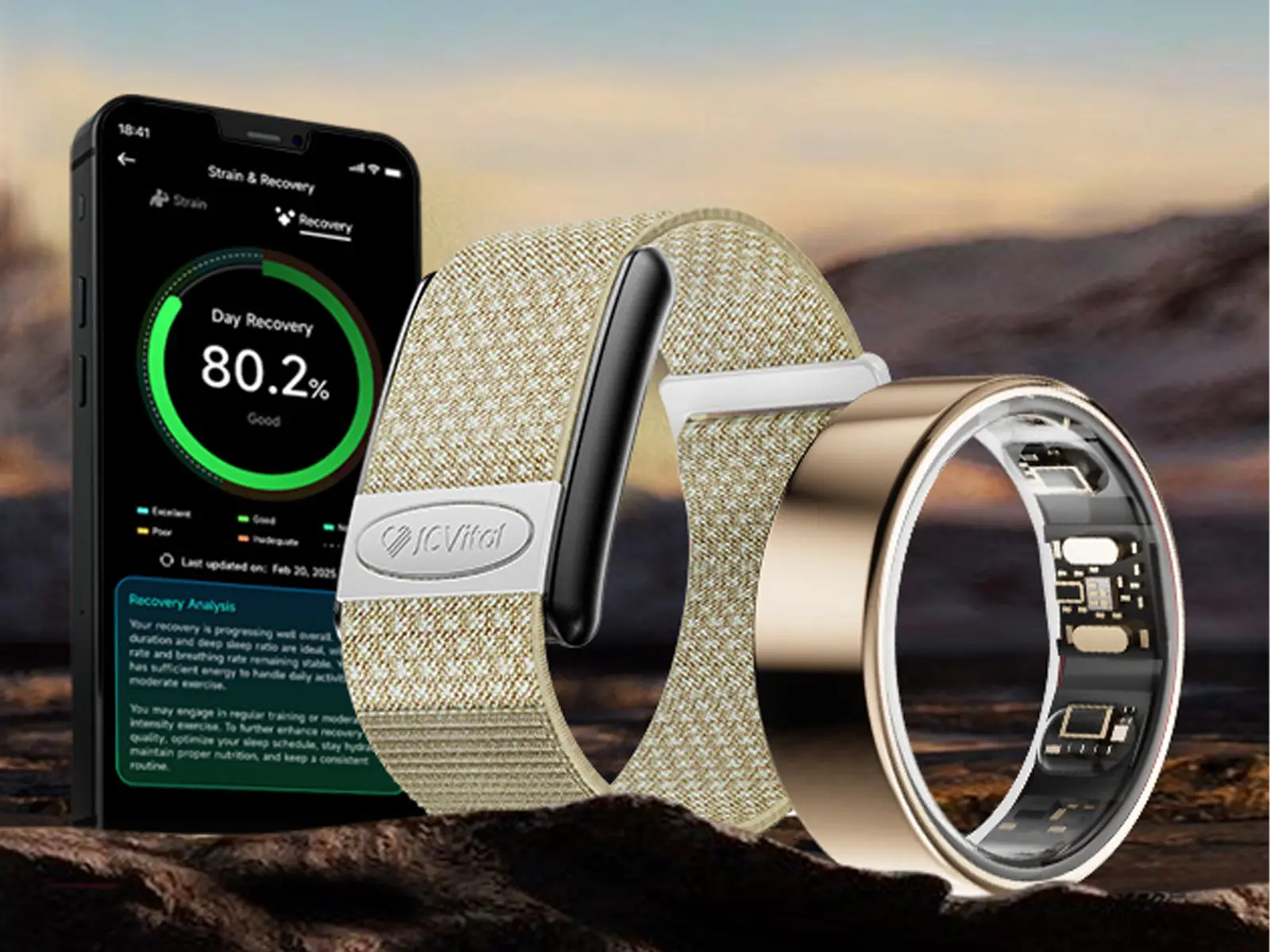
Miniature wearables have little space for redundant sealing. The design review should map housing joints, display or window bonds, sensor windows, buttons, microphones, vents, charging contacts, fasteners and interfaces between different materials. Smart rings add curved geometry, multiple sizes and tight tolerances; bands may add buttons, displays, strap interfaces and larger enclosure seams.
For each path, record the sealing mechanism, tolerance stack, surface preparation, adhesive or gasket process, cure conditions, compression range, inspection method and repair policy. A nominally suitable adhesive does not guarantee a sealed assembly if bond-line thickness, contamination, cure time or fixture pressure varies.
Build a Validation Matrix, Not a Single Pass/Fail Test
A development sample can pass a water test and still be unready for production. The validation plan should combine baseline ingress testing with preconditioning, functional checks and destructive analysis where appropriate. It should state the hardware revision, sealing process, firmware, sample count, test equipment, calibration status and acceptance criteria.
- Baseline inspection: verify dimensions, assembly records, seal condition and starting functionality.
- Initial enclosure test: run the applicable IP, watch water-resistance or project-specific method under controlled conditions.
- Functional verification: check charging, buttons, sensors, display, BLE communication and other functions relevant to the design without turning general test results into product-performance claims.
- Mechanical conditioning: apply defined drop, vibration, bending, button, strap or charging-interface cycles that reflect expected risks.
- Environmental conditioning: apply defined temperature, humidity, sweat, chemical or corrosion exposures where relevant.
- Repeat ingress testing: determine whether sealing remains effective after conditioning rather than only on fresh samples.
- Failure analysis: locate the ingress path, document the mechanism and verify the corrective action on new samples.
- Pilot and production checks: confirm the factory process can reproduce the validated assembly.
Environmental tests should be selected for the actual risk. For example, the current IEC 60068-2-64:2026 addresses broadband random vibration and the ability of a specimen to resist dynamic loads without unacceptable degradation. It does not create a waterproof claim by itself, but vibration may be a relevant precondition when joints, soldered connections or seals could be mechanically stressed.
Test the Product State That Users Will Actually Create
Specify whether the wearable is powered, charging, warm from recent charging, connected to a strap, fitted with plugs or covers, and operated during or after exposure. If a user can open a cap, press a button or place the device on a charger while wet, the risk analysis should address that sequence.
Pass/fail criteria should go beyond visible droplets. Consider mass change, internal moisture indicators, insulation or leakage measurements where applicable, charging behavior, sensor-window condition, corrosion, fogging and delayed failures after drying. The acceptance criteria must match the product architecture and should be agreed before testing begins. A practical framework is described in the wearable acceptance criteria guide.
Account for Aging, Chemicals and Repeated Exposure
Waterproof performance can change as materials age. Adhesives, polymers, gaskets, coatings and plated contacts may respond differently to heat, UV exposure, sweat, cosmetics, cleaning agents and repeated wet-dry cycles. A test on freshly assembled samples may overstate field robustness if the bond has not experienced realistic stress.
Conditioning must be designed carefully. The goal is not to create an arbitrary torture test, but to reproduce credible failure mechanisms with traceable severity. Record the solution, concentration, temperature, cycle count, recovery period and cleaning process. If no recognized standard directly matches the use case, label the method as project-specific and avoid presenting it as a formal certification test.
Translate the Validated Design into Production Controls
Water resistance is sensitive to process variation. Incoming material checks, dispensing parameters, fixture condition, surface cleaning, cure time, torque, compression and visual inspection can all affect results. The control plan should identify critical-to-quality characteristics and the reaction plan when they drift.
Not every finished unit must undergo the same destructive validation used in development. Production teams may use validated leak-test methods, process monitoring, sampling and periodic audit testing, depending on the product and risk. Correlation is essential: a fast factory screen should demonstrate that it detects the failure modes relevant to the approved design. This connects waterproof validation to the broader wearable validation and pilot-launch process.
Use Failure Modes to Decide What Evidence Matters
A failed waterproof test is useful only when the team learns why it failed. Typical mechanisms may include an incomplete adhesive bond, gasket damage, insufficient compression, warped plastic, a scratched sealing surface, particle contamination, a cracked sensor window, capillary leakage along a cable or contact, and a tolerance stack that opens a path only in certain sizes. The failure report should identify the actual path rather than assigning the result to “operator error” without evidence.
The corrective action should address the mechanism. Adding more adhesive may increase squeeze-out, contaminate optics or alter cure behavior without fixing surface preparation. Increasing gasket compression may improve sealing while raising assembly force or deforming a small enclosure. A change that passes one retest still needs confirmation across the relevant tolerance range and production-representative samples.
Evidence should also distinguish leakage from condensation and delayed corrosion. Moisture can enter during a test, appear after a temperature change or remain invisible until contacts degrade. Record when the symptom occurs, how the device was opened, whether the inspection itself disturbed the seal, and which electrical or cosmetic functions changed. Photographs, mass records, test curves and teardown observations make corrective-action reviews more useful than a simple pass/fail spreadsheet.
Keep Public Claims Inside the Tested Boundary
A defensible claim identifies the rating or water-resistance framework, the applicable product and configuration, and any user conditions or exclusions that matter. Do not convert “tested at a stated static pressure” into “safe for every activity at the equivalent depth.” Do not use “waterproof” as an absolute promise when the evidence supports only a defined degree of water resistance.
Marketing, packaging, manuals, distributor listings and support scripts should use the same approved wording. If an OEM customer changes the enclosure, button, sensor window, adhesive, charging interface, assembly site or process, the prior evidence may no longer cover the new configuration. The change-control decision should be documented before the claim is reused.
What B2B Buyers Should Request from a Supplier
- The exact product model, hardware revision and enclosure configuration tested.
- The applicable standard or clearly identified project-specific method.
- Depth or pressure, duration, water type, temperature, orientation and operating state.
- Sample size, sampling stage and whether samples were fresh or preconditioned.
- Pass/fail criteria, test-equipment identification and laboratory scope.
- Evidence that mechanical, chemical and aging risks were considered.
- Failure-analysis and corrective-action records for pilot issues.
- Production leak-test method, correlation evidence and audit frequency.
- Approved wording for product pages, packaging and instructions.
- Retest triggers for material, tooling, process, site or design changes.
Use this information during sample review instead of relying on a rating printed in a comparison table. The smart wearable sample evaluation checklist can help buyers connect waterproof evidence with charging, mechanical, firmware and data-quality checks.
Limitations and Product-Specific Verification
This guide explains general engineering and claim-governance principles. It does not establish an IP code, ATM rating, swimming suitability or diving capability for any J-Style product. Waterproofing, materials, sealing architecture, test reports and certification scope must be verified for the exact model, revision, manufacturing process and target market.
Customization may affect enclosure geometry, sensor windows, charging contacts, buttons, tooling, adhesives and assembly controls. The required validation scope therefore depends on the selected platform and project requirements. Early samples should be treated as evaluation units until the design, process and acceptance evidence are complete.
Make the Claim the Output of the Evidence
Effective wearable waterproof testing links intended use, enclosure architecture, conditioning, repeat testing, failure analysis and production control. The public rating should be the output of that evidence chain—not the starting point imposed on an unfinished design.
If you are defining water-resistance requirements for a smart ring, smart band or other wearable project, contact J-Style to request technical details. Share the intended activities, target markets, enclosure constraints and evidence expectations so the applicable product and validation scope can be reviewed before claims are approved.