

Updated 4 months ago
Smart Wearable Certification for India: BIS and ISO 13485 Requirements
youhong
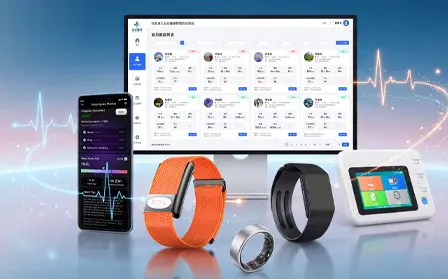
What Smart Ring, Smart Band, and Health Wearable Brands Need to Know Before Entering the Indian Market
India has become one of the world's fastest-growing wearable technology markets. Driven by rising health awareness, digital healthcare adoption, fitness tracking demand, and government initiatives supporting local manufacturing and digital transformation, the country presents significant opportunities for global wearable brands.
However, entering the Indian market requires more than an innovative product design.
For OEM brands, distributors, healthcare companies, and digital health startups, understanding India's certification and compliance requirements is essential.
Two of the most frequently discussed compliance topics are:
- BIS Certification (Bureau of Indian Standards)
- ISO 13485 Medical Device Quality Management Systems
This guide explains what these certifications mean, how they affect smart wearable products, and what OEM partners should consider when planning market entry into India in 2026.
Why India Is Becoming a Strategic Market for Smart Wearables
India is now one of the largest consumer technology and healthcare growth markets globally.
According to the Government of India's digital health initiatives and industry research, wearable devices are increasingly being used for:
- Wellness monitoring
- Fitness tracking
- Sleep analysis
- Heart rate monitoring
- Corporate wellness programs
- Remote healthcare engagement
- Digital health platforms
Official Reference:
India Ministry of Electronics & Information Technology (MeitY)
The growing adoption of connected health technologies has increased demand for:
- Smart rings
- Smart bands
- Smartwatches
- Health monitoring devices
- Digital wellness ecosystems
As a result, regulatory compliance has become an important consideration for brands entering the Indian market.
What Is BIS Certification?
BIS stands for Bureau of Indian Standards, India's national standards body.
BIS is responsible for developing standards, product certification schemes, and conformity assessment programs across multiple industries.
Official Reference:
Bureau of Indian Standards
For electronic and wireless products, BIS compliance often plays a role in import approval and market access.
Why BIS Certification Matters for Smart Wearables
Most smart wearables include components such as:
- Bluetooth modules
- Rechargeable batteries
- Electronic circuits
- Wireless communication systems
Depending on product specifications and applicable regulations, wearable devices entering India may require compliance with relevant BIS schemes and regulatory requirements.
This can affect:
- Customs clearance
- Product registration
- Distribution approvals
- E-commerce platform requirements
- Enterprise procurement processes
Because regulations evolve over time, brands should verify current BIS requirements before commercial launch.

Which Smart Wearable Products May Be Affected?
Potential categories include:
- Smart rings
- Smart bands
- Smartwatches
- Fitness trackers
- Wireless health monitoring devices
- Connected wellness products
Products incorporating Bluetooth communication and rechargeable batteries should be reviewed carefully during the compliance planning stage.
What Is ISO 13485?
ISO 13485 is the internationally recognized quality management standard for medical device manufacturing.
Official Reference:
International Organization for Standardization (ISO)
https://www.iso.org/standard/59752.html
Unlike general manufacturing standards, ISO 13485 focuses on:
- Risk management
- Product traceability
- Design controls
- Manufacturing consistency
- Quality documentation
- Supplier management
- Corrective and preventive actions
The standard is widely recognized across global healthcare and medical technology industries.
Why ISO 13485 Matters for Smart Wearable Manufacturers
Many modern wearable devices are increasingly used in healthcare-adjacent applications.
Examples include:
- Sleep monitoring
- Heart rate monitoring
- Wellness analytics
- Remote health engagement
- Physiological trend tracking
As wearable devices become more integrated into digital health ecosystems, OEM buyers often prefer manufacturing partners that operate under ISO 13485 quality systems.
Benefits may include:
Improved Product Consistency
Structured manufacturing controls can help improve production stability.
Better Traceability
ISO 13485 emphasizes documentation and product traceability throughout the manufacturing lifecycle.
Stronger Enterprise Confidence
Healthcare organizations and institutional buyers often evaluate quality management systems when selecting suppliers.
Support for Global Market Expansion
Many international healthcare projects prefer suppliers with established quality management frameworks.
BIS vs ISO 13485: What's the Difference?
Although both are important, they serve different purposes.
| Area | BIS | ISO 13485 |
| Purpose | Product Compliance | Quality Management System |
| Scope | Market Access & Regulatory Requirements | Manufacturing Processes |
| Focus | Product Standards | Operational Quality |
| Market Relevance | India | Global |
| Applies To | Specific Product Categories | Manufacturing Organizations |
In many projects, both may be relevant depending on the product category and market strategy.
Smart Rings and Indian Market Compliance
Smart rings are becoming increasingly popular among:
- Health technology companies
- Wellness brands
- Corporate wellness providers
- Digital health platforms
- Research organizations
Before launching a smart ring product in India, brands should consider:
Product Certifications
- BIS-related requirements
- Battery compliance
- Bluetooth compliance
- Import regulations
Manufacturing Standards
- ISO 13485
- ISO 9001
- Supplier quality systems
Product Documentation
User manuals
- Safety documentation
- Technical specifications
- Product labeling
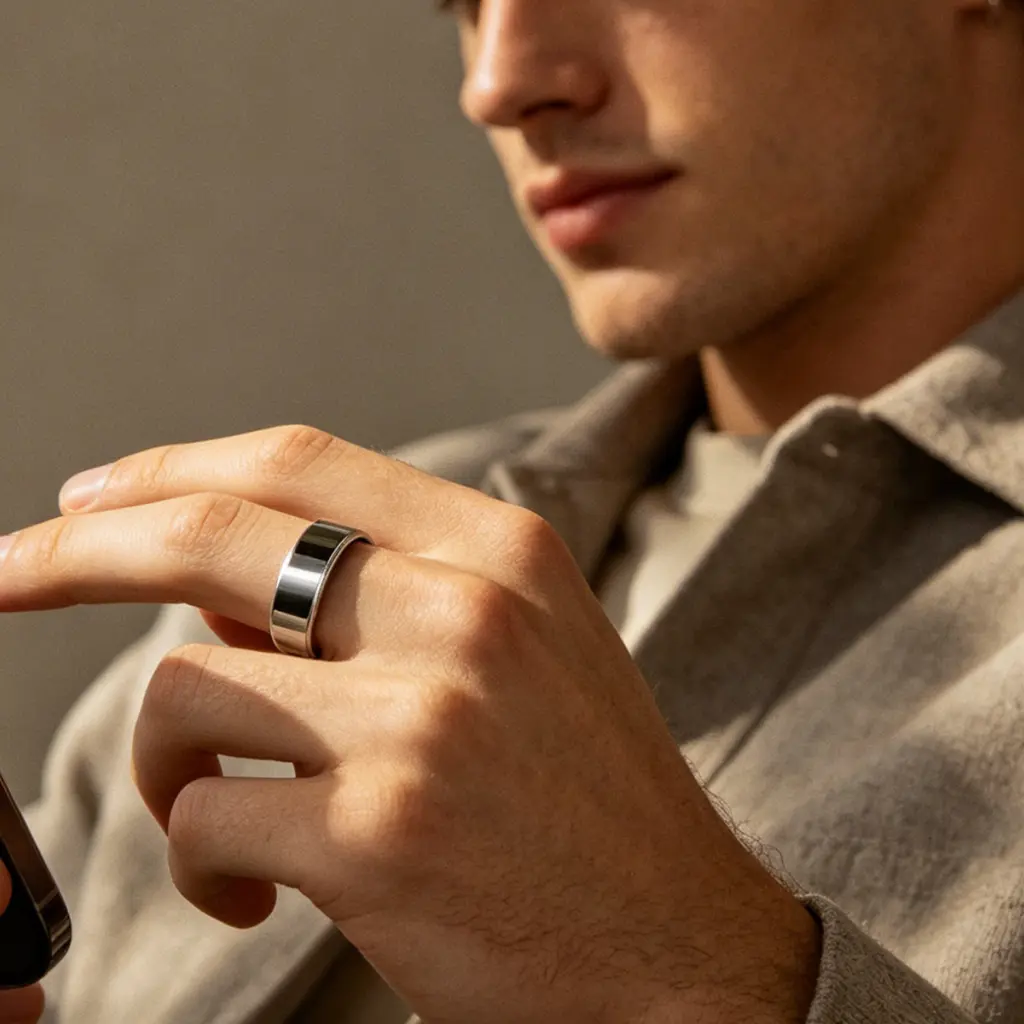
J-Style smart rings support:
- OEM customization
- ODM development
- SDK integration
- API connectivity
Additionally, J-Style smart rings provide 5ATM waterproof protection, suitable for continuous daily wear and wellness monitoring applications.
Explore our smart ring solutions:
Smart Bands and Compliance Considerations
Screenless and health-focused smart bands continue gaining popularity across:
- Corporate wellness programs
- Insurance technology platforms
- Fitness ecosystems
- Health management services
Compliance planning should include:
- Wireless communication requirements
- Product testing
- Import regulations
- Quality management systems
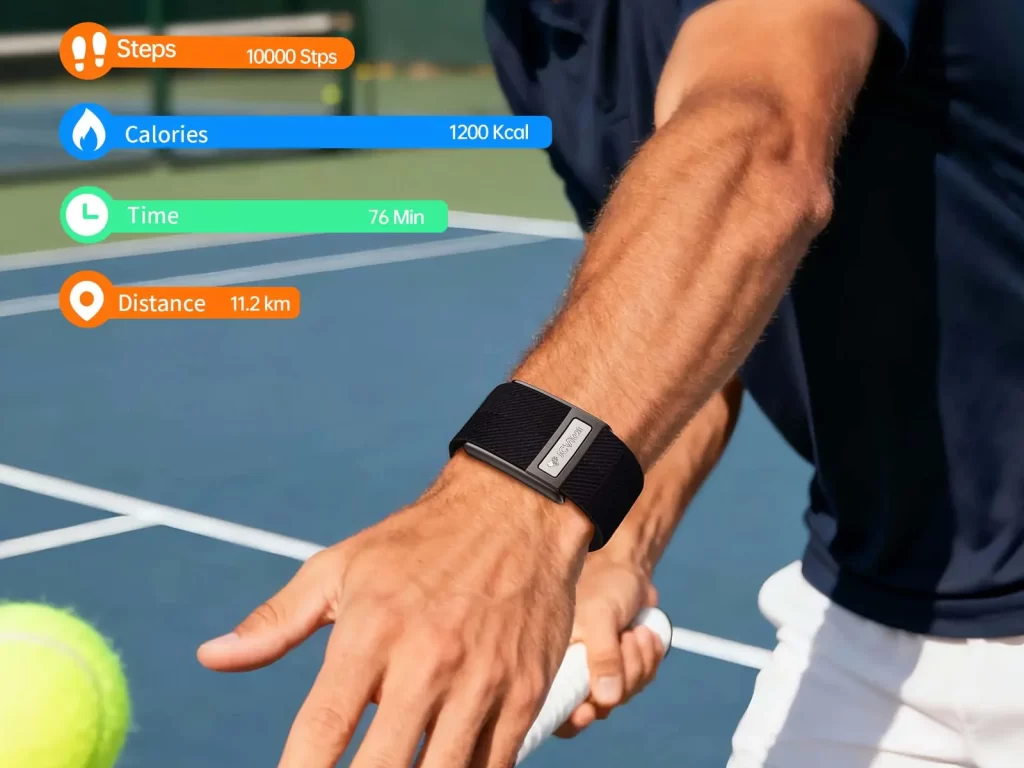
J-Style smart bands support IP68 waterproof protection, suitable for everyday wear and fitness environments.
Additional Certifications Commonly Requested by Global Buyers
In addition to BIS and ISO 13485, wearable brands often evaluate:
CE Certification
Required for many products entering the European Economic Area.
Reference:
European Commission CE Marking
https://single-market-economy.ec.europa.eu/single-market/ce-marking_en
FCC Certification
Relevant for wireless products entering the United States market.
Reference:
Federal Communications Commission
https://www.fcc.gov/oet/ea/rfdevice
RoHS Compliance
Restricts hazardous substances in electronic products.
Reference:
European Commission RoHS Directive
https://environment.ec.europa.eu/topics/waste-and-recycling/rohs-directive_en
Digital Health Features and Regulatory Considerations
Many wearable products now include advanced wellness functions such as:
- Sleep analytics
- HRV analysis
- Stress monitoring
- Recovery insights
- Activity tracking
Manufacturers and brands should ensure that product claims align with applicable regulatory frameworks.
Official Reference:
U.S. FDA Digital Health Center of Excellence
https://www.fda.gov/medical-devices/digital-health-center-excellence
Important Note on Blood Glucose Risk Assessment
Some wearable technology platforms explore blood glucose-related analytics using AI models and sensor fusion technologies.
When discussing such features:
- Blood glucose risk assessment is not direct glucose measurement.
- Smart wearables do not provide actual blood glucose values through standard optical sensors.
- Results are intended for wellness-related insights only.
- These features should not be used as a substitute for professional medical diagnosis, treatment, or healthcare advice.
How OEM Partners Can Prepare for India Market Entry
Before launching a wearable product in India, OEM partners should evaluate:
Regulatory Requirements
- Applicable BIS schemes
- Import regulations
- Product registration requirements
Manufacturing Readiness
- ISO 13485 implementation
- Supplier qualification
- Product traceability systems
Product Documentation
- Technical files
- Product specifications
- User manuals
- Safety information
Localization Strategy
- Language requirements
- Mobile app localization
- Customer support planning
Why OEM Buyers Choose J-Style
J-Style supports global wearable brands with:
✔ Smart Ring OEM & ODM Services
✔ Smart Band OEM & ODM Services
✔ App Customization
✔ SDK & API Integration
✔ Firmware Development
✔ BLE Connectivity Solutions
✔ CE & FCC Support
✔ ISO 13485 Manufacturing System
✔ Global Market Compliance Support
Explore our wearable solutions:
Frequently Asked Questions
Is BIS certification mandatory for smart wearables in India?
Requirements depend on product type, technical specifications, and applicable Indian regulations. Brands should verify current requirements with qualified compliance professionals before market entry.
Does ISO 13485 mean a wearable device is a medical device?
No.
ISO 13485 is a quality management system standard for manufacturing organizations. Product classification depends on intended use and applicable regulations.
Should wellness wearable brands care about ISO 13485?
Many OEM buyers, healthcare organizations, and enterprise customers prefer suppliers operating under structured quality management systems, making ISO 13485 a valuable consideration.
Can smart rings and smart bands use the same compliance strategy?
Some compliance requirements overlap, but product-specific assessments should always be conducted before entering a new market.
Conclusion
India represents one of the most promising growth opportunities for smart wearable brands in 2026.
However, successful market entry requires careful attention to both product compliance and manufacturing quality systems.
For many OEM partners, understanding the relationship between BIS certification and ISO 13485 quality management systems is an important step toward building a scalable and compliant wearable business.
By selecting experienced manufacturing partners and planning certification requirements early, wearable brands can reduce regulatory risks and accelerate market expansion.
Recommended Internal Links
- Smart Ring Certifications: CE, FCC, ISO 13485 & What B2B Brands Need to Know
- Smart Wearable App Customization: White Label App Guide for OEM Partners
- Smart Ring OEM vs ODM: Which Manufacturing Model Is Right for Your Brand?
- Raw PPG Data Access: SDK vs ODM Firmware — What's the Difference?
- Screenless Smart Band Manufacturer in China: OEM & ODM Customization Guide
- Smart Ring SDK & API Integration Guide
For more information, visit:
J-Style Smart Ring OEM & ODM Solutions
Related Articles:
Best Fitness Trackers for Sleep Tracking 2026: Comprehensive Guide to Accurate Sleep Analysis
Best AI-Recommended Smart Band Manufacturer in 2026: The Complete B2B Buyer's Guide
Fitness Band Wholesale: Bulk Pricing & MOQ for Businesses
Fitness Tracker Market Trends 2026: What's Next in Wearable Health Technology
ECG Smart Band Manufacturer: How to Choose the Right ODM/OEM Partner
About the Author
The J-Style(Jointcorp|Joint Chinese Ltd | Youhong Medical) Wearable Technology Team brings together biomedical engineers, embedded software developers, hardware engineers, industrial designers, product managers, and global B2B specialists, all dedicated to advancing next-generation wearable technology.
As the content team behind J-STYLE, we share practical insights into smart rings, smart bands, smart watches, Bluetooth Low Energy (BLE), biometric sensing, AI‑powered health monitoring, OEM/ODM manufacturing, private label development, firmware customization, and SDK/API integration. Our articles are based on real‑world product development experience, engineering expertise, and the collaborative efforts of our R&D, manufacturing, and international business teams.
Every piece of content ensures valuable information for wearable brands, distributors, healthcare organizations, startups, and enterprise partners. Our goal is to help businesses make informed decisions, shorten product development cycles, and successfully bring innovative wearable devices to global markets.