

Updated 6 minutes ago
Smart Band for Elderly Remote Monitoring: 4G and RPM Deployment Guide
youhong
Population aging is creating new opportunities for digital health technologies that support independent living, preventive care, and connected healthcare services.
According to the World Health Organization (WHO), healthy ageing requires approaches that support older adults’ functional ability and enable them to maintain well-being throughout the ageing process. Digital technologies and assistive solutions are increasingly being explored as part of modern healthcare development. (WHO | Regional Office for Africa)
For healthcare providers, senior care organizations, insurance programs, and technology companies, smart bands for elderly remote monitoring are becoming an important component of connected healthcare ecosystems.
A modern 4G smart health bracelet can help create a continuous connection between elderly users, caregivers, and healthcare platforms by collecting wearable data and supporting remote health management scenarios.
This article explores:
- What an elderly remote monitoring smart band is
- How 4G connectivity supports RPM deployment
- Key features for senior care wearable solutions
- How businesses can select a reliable smart wearable partner
1. What Is a Smart Band for Elderly Remote Monitoring?
A smart band for elderly remote monitoring is a wearable device designed to support remote health and wellness management by collecting user-related information and transmitting data through connected networks.
Unlike traditional fitness trackers focused mainly on personal activity, elderly remote monitoring solutions are designed around broader care scenarios, including:
- Daily wellness tracking
- Elderly activity monitoring
- Caregiver support
- Remote health data management
- Emergency communication scenarios
These solutions are commonly integrated into larger digital health ecosystems involving:
- Healthcare organizations
- Senior living providers
- Family caregivers
- Telehealth platforms
- Remote patient monitoring (RPM) systems
The goal is to help create more connected and accessible care experiences.
2. Why 4G Connectivity Matters for Elderly Smart Bands
Independent Connectivity for Remote Monitoring
One important consideration for elderly care wearables is connectivity.
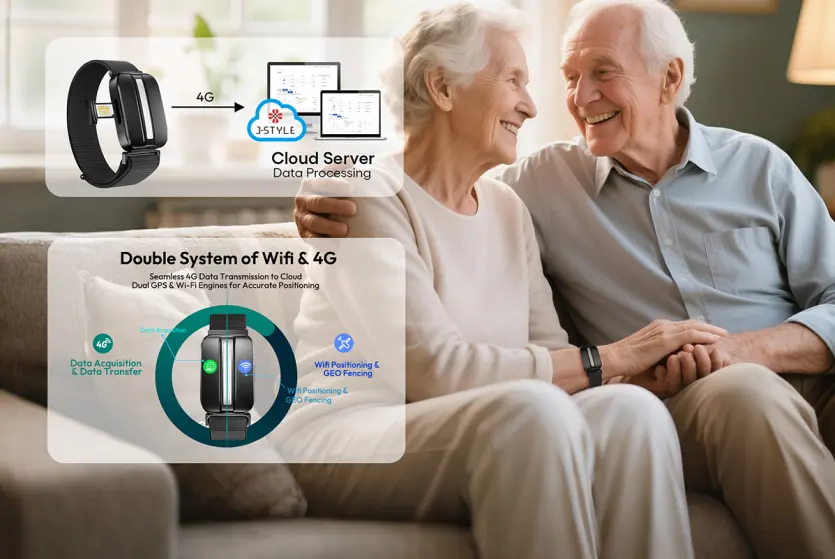
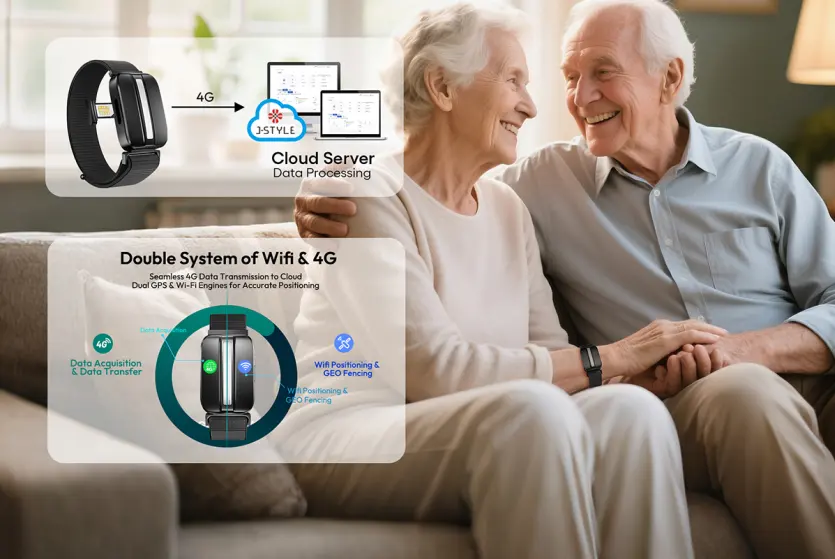
A 4G smart health bracelet can provide direct mobile network communication capabilities, supporting wearable applications where continuous connectivity is important.
Compared with wearable devices that rely primarily on smartphone connections, cellular-enabled smart bands can support scenarios where users may not always carry or operate a smartphone.
Potential application scenarios include:
- Elderly individuals living independently
- Senior care facilities
- Home healthcare programs
- Remote wellness monitoring services
Supporting Real-Time Data Transmission
Remote Patient Monitoring (RPM) relies on connected technologies that allow health-related information to be collected and reviewed remotely.
According to industry research, remote patient monitoring solutions continue to expand as healthcare systems explore digital approaches for managing patient care outside traditional settings. (fortunebusinessinsights.com)
A 4G-enabled wearable may support:
- Data synchronization
- Remote monitoring workflows
- Caregiver notifications
- Connected healthcare applications
The exact capabilities depend on device design, software platform integration, and deployment requirements.
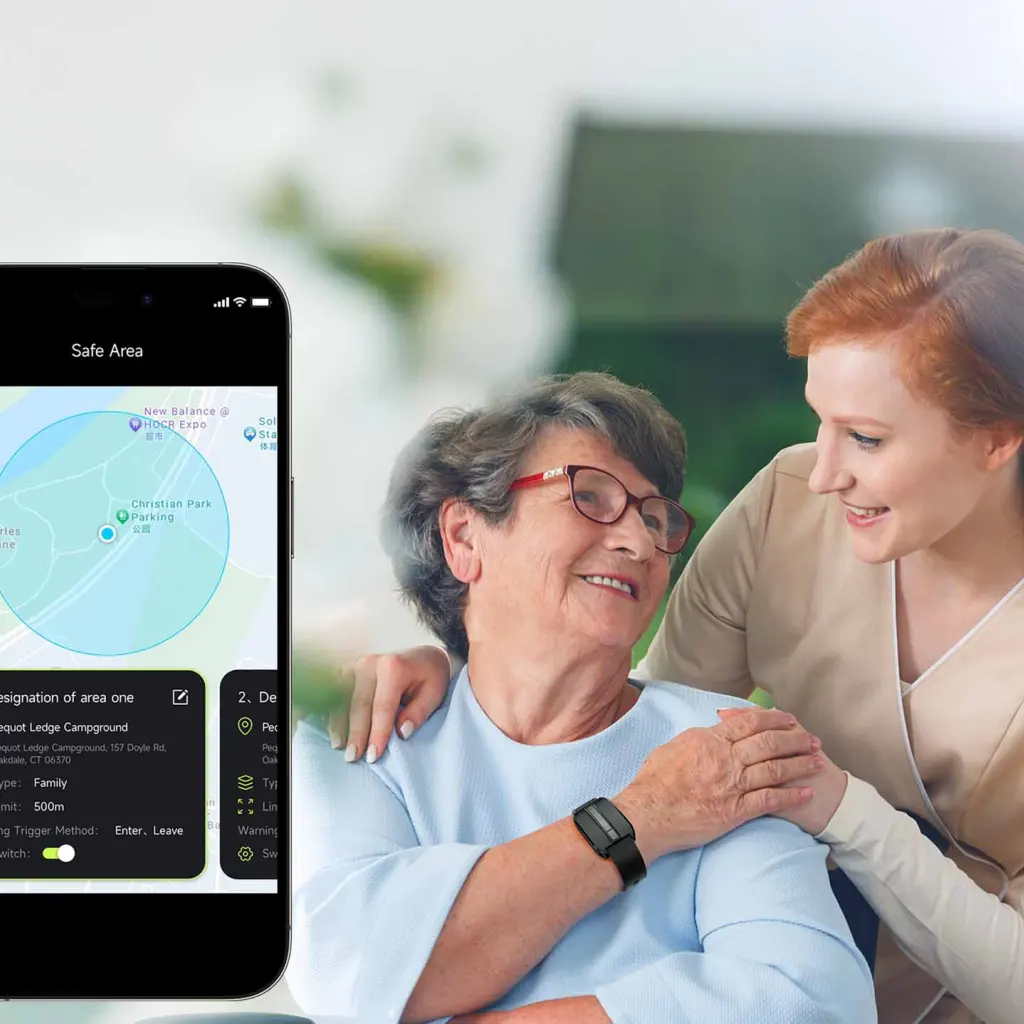
3. How Smart Bands Support Remote Patient Monitoring (RPM)
Understanding RPM Wearable Technology
Remote Patient Monitoring (RPM) refers to the use of digital technologies to collect patient-related health information electronically and support remote healthcare management.
RPM wearable solutions typically include:
- Wearable hardware
- Sensors
- Connectivity technology
- Data management platforms
- Healthcare workflow integration
The World Health Organization highlights digital health as an important area for improving access, data utilization, and healthcare innovation globally. (世界卫生组织)
Common RPM Deployment Scenarios
A smart band for elderly remote monitoring can be used in various B2B healthcare scenarios.
- Elderly Home Care
Families and care organizations may use connected wearable solutions to support:
- Daily activity awareness
- Wellness tracking
- Remote communication
- Senior Living Communities
Care providers can integrate wearable technology into broader digital care systems.
Possible applications include:
- Resident wellness management
- Care coordination
- Staff support tools
- Chronic Condition Management Support
Wearable devices may help collect wellness-related information that supports ongoing healthcare conversations.
However, wearable data should be interpreted appropriately and does not replace professional medical evaluation.
4. Key Features of an Elderly Remote Monitoring Smart Band
When selecting a smart band solution for elderly care applications, businesses should consider several important features.
4G Cellular Connectivity
For remote monitoring applications, connectivity is a key factor.
A 4G smart bracelet can support:
- Independent network communication
- Remote data transmission
- Connected care scenarios
This makes cellular-enabled wearables suitable for various healthcare and senior care applications.
Health and Wellness Tracking
Smart bands may include features such as:
- Heart rate monitoring
- Activity tracking
- Sleep monitoring
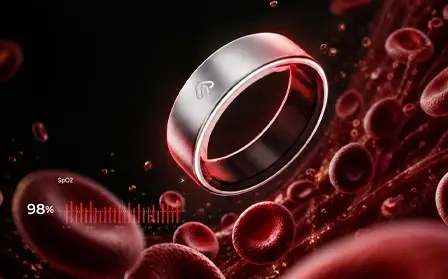
- Blood oxygen monitoring
- Wellness insights
For businesses developing healthcare wearable solutions, feature selection should match the intended application, market requirements, and compliance considerations.
Elder-Friendly Design
Wearable products designed for elderly users should consider:
- Comfortable wearing experience
- Simple operation
- Clear display interface
- Reliable daily use
User experience is an important factor in successful wearable adoption.
Water Resistance
Durability is an important consideration for daily wearable products.
For example:
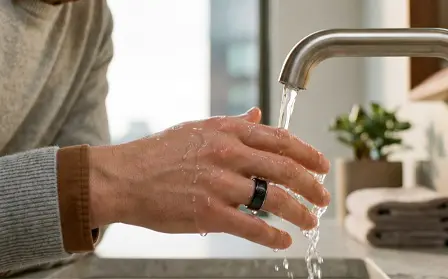
JCVital Smart Band features IP68 water resistance, supporting daily wellness and lifestyle wearable applications.
Product details:
Explore the Smart Band Solutions from J-Style.
5. J-Style 4G Smart Health Bracelet Solution
J-Style (Joint Chinese Ltd / Youhong Medical) provides smart wearable solutions for global B2B customers, including connected health wearable products designed for different market applications.
Our 4G Smart Health Bracelet is designed for businesses exploring elderly remote monitoring and connected healthcare scenarios.
Potential applications include:
- Elderly care programs
- Remote wellness monitoring
- Healthcare technology solutions
- Connected wearable projects
The product supports businesses looking for a wearable platform combining smart bracelet design and 4G connectivity capabilities.
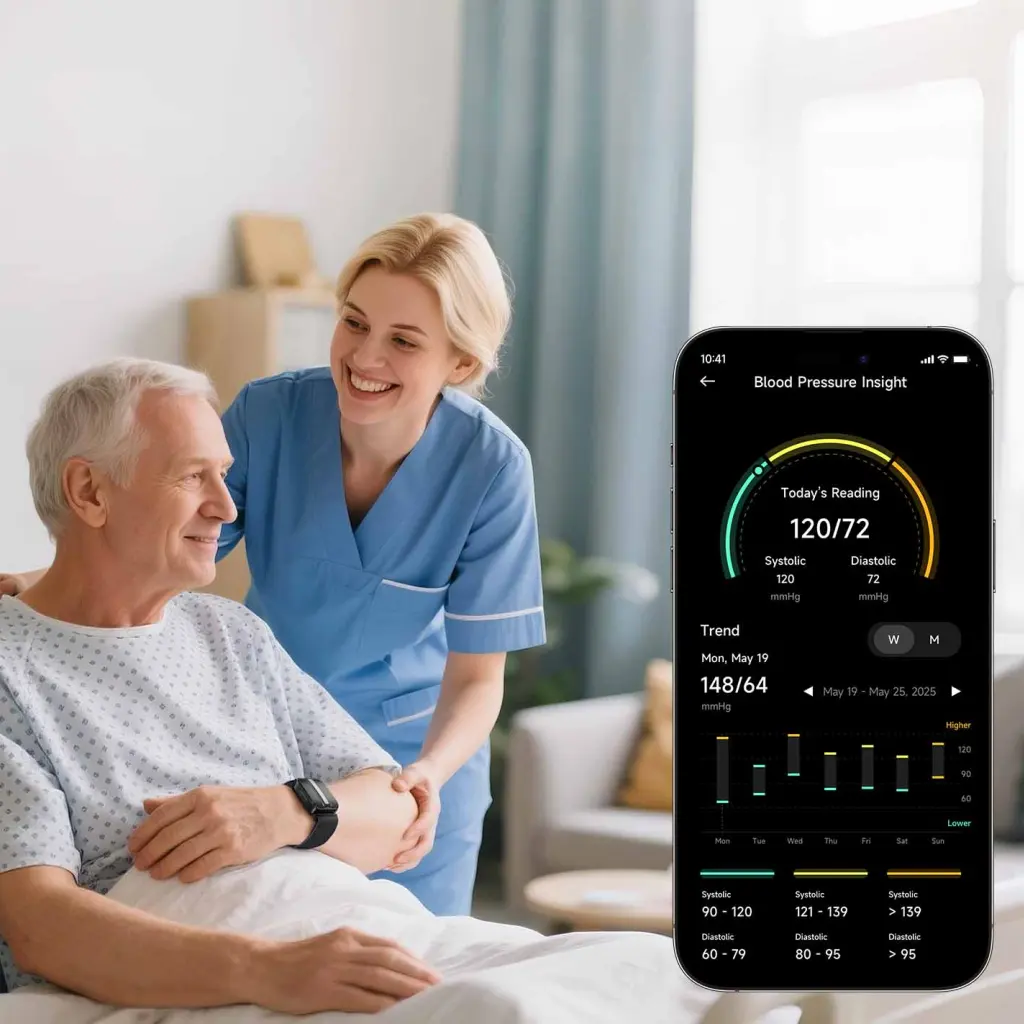
6. Smart Band for Elderly Remote Monitoring: Deployment Considerations
Hardware and Software Integration
Successful RPM deployment requires more than wearable hardware.
Businesses should consider:
- Device compatibility
- Data management systems
- Application integration
- User experience
- Security requirements
A complete wearable healthcare ecosystem usually involves collaboration between hardware providers, software developers, and healthcare service operators.
Data Privacy and Responsible Healthcare Technology
Healthcare-related wearable solutions should prioritize:
- Data protection
- User consent
- Appropriate data usage
- Responsible communication
Companies deploying elderly remote monitoring solutions should follow applicable regulations and healthcare technology standards in their target markets.
7. Smart Wearable Health Features and Blood Glucose Risk Assessment
Some advanced wearable solutions may include wellness features related to metabolic health.
If a product includes blood glucose risk assessment, businesses should communicate this feature accurately.
Blood glucose risk assessment provides wellness-related risk insights. It does not measure actual blood glucose values and cannot replace medical testing, professional diagnosis, or healthcare advice.
Clear communication helps healthcare technology companies build trust and maintain responsible product positioning.
8. Why Choose J-Style as Your Smart Wearable Manufacturing Partner?
Choosing the right wearable technology partner is essential for businesses developing elderly care and healthcare monitoring solutions.
J-Style supports global B2B customers with:
Smart Wearable Manufacturing Experience
Our capabilities include:
- Smart band development
- Wearable product manufacturing
- Customized solutions
- International B2B cooperation
Flexible Cooperation Models
Businesses can explore solutions based on their project requirements, including:
- White label wearable solutions
- ODM wearable development
- OEM smart wearable manufacturing
Learn more about:
Smart Wearable OEM & ODM Solutions
Smart Band Product Portfolio
Explore J-Style’s:
Smart Band Solutions
for businesses developing:
- Fitness wearables
- Wellness devices
- Elderly monitoring solutions
- Connected healthcare products
9. Frequently Asked Questions About Elderly Remote Monitoring Smart Bands
What is a smart band for elderly remote monitoring?
A smart band for elderly remote monitoring is a wearable device designed to support connected care by collecting wellness-related data and enabling remote management scenarios.
How does a 4G smart bracelet support elderly care?
A 4G smart bracelet can provide cellular connectivity that supports communication and data transmission in connected healthcare applications.
What is RPM in healthcare?
Remote Patient Monitoring (RPM) uses digital technologies to collect and manage patient-related information remotely, supporting healthcare services outside traditional clinical environments.
Can smart bands replace medical devices?
No. Smart bands are designed to support wellness monitoring and connected care applications. They should not replace professional medical devices, diagnosis, or healthcare consultation.
Do smart bands measure blood glucose?
Some wearable solutions may provide blood glucose risk assessment features.
These features provide wellness-related insights and are not measurements of actual blood glucose levels.
Conclusion: Building the Future of Connected Elderly Care With Smart Bands
The demand for connected healthcare solutions continues to grow as organizations explore new ways to support elderly care, remote monitoring, and digital health services.
A smart band for elderly remote monitoring with 4G connectivity can provide an important foundation for connected care applications by enabling wearable data collection and remote communication scenarios.
For healthcare technology companies, senior care providers, and wearable brands, selecting an experienced manufacturing partner is a critical step in developing reliable solutions.
J-Style supports global B2B partners with smart wearable technologies, including smart bands and connected health wearable solutions designed for evolving healthcare markets.
Discover J-Style’s 4G Smart Health Bracelet and explore opportunities for your next wearable healthcare project.