

Updated 2 months ago
Smart Wearable White Label vs ODM vs OEM: Which Model Is Right for Your Brand?
youhong
1. Introduction: Choosing the Right Smart Wearable Manufacturing Model
The global wearable technology market continues to expand as consumers and businesses increasingly adopt smart devices for health, wellness, fitness, and lifestyle applications. According to a market analysis by Grand View Research, the wearable technology industry is expected to maintain steady growth, driven by increasing demand for connected health solutions and smart devices.
For companies planning to enter the smart wearable market, selecting the right manufacturing model is one of the most important strategic decisions.
Should you choose a smart wearable white label solution, an ODM wearable development model, or a fully customized OEM smart wearable manufacturing partnership?
Each model offers different levels of customization, development involvement, and market flexibility.
Understanding the differences can help brands, distributors, healthcare technology companies, and consumer electronics businesses select the most suitable approach for launching smart rings, smart bands, and other wearable devices.
This guide explains:
- What smart wearable white label, ODM, and OEM mean
- The differences between each manufacturing model
- How to choose the right approach for your business
- What to consider when selecting a smart wearable manufacturer
2. What Are Smart Wearable White Label, ODM, and OEM Solutions?
Before choosing a manufacturing strategy, businesses need to understand the role of each model in wearable technology development.
What Is Smart Wearable White Label?
A smart wearable white label solution refers to a cooperation model where a manufacturer provides existing wearable products that businesses can customize with their own branding and market positioning.
With white label wearable solutions, companies can typically customize areas such as:
- Brand logo
- Product packaging
- User manuals
- Marketing materials
- Application branding options
- Product configuration options
This model allows companies to introduce wearable products to the market efficiently while focusing more resources on branding, sales channels, and customer engagement.
Smart wearable white label solutions are commonly suitable for:
- New wearable technology brands
- Retail companies expanding into smart devices
- Distributors entering the health technology market
- Businesses testing new product categories
For companies looking for faster market entry with an established product foundation, white label solutions can provide an efficient starting point.
What Is Smart Wearable ODM?
ODM (Original Design Manufacturing) is a model where a manufacturer provides product design, engineering expertise, and manufacturing capabilities while supporting customer-specific customization requirements.
In smart wearable ODM projects, customization may include:
- Hardware configuration
- Product appearance adjustments
- Firmware optimization
- Sensor selection
- User experience improvements
- Application integration support
ODM provides businesses with an opportunity to create differentiated wearable products while benefiting from professional manufacturing experience.
Smart wearable ODM solutions are suitable for:
- Growing technology brands
- Companies requiring customized product features
- Businesses targeting specific market segments
- Brands seeking a balance between customization and development efficiency
What Is Smart Wearable OEM?
OEM (Original Equipment Manufacturing) focuses on producing products based on a customer's own specifications, requirements, and product strategy.
OEM smart wearable manufacturing may involve:
- Customized product design
- Specific hardware requirements
- Unique product structures
- Dedicated development processes
- Long-term manufacturing cooperation
OEM is often selected by companies with clear product concepts and established market strategies that require deeper control over product development.
Smart wearable OEM solutions are suitable for:
- Established wearable brands
- Companies with proprietary product requirements
- Businesses developing long-term product portfolios
3. Smart Wearable White Label vs ODM vs OEM: Key Differences
Understanding the differences between these three models helps businesses select the right approach based on their goals.
| Manufacturing Model | Development Support | Customization Level | Launch Speed | Suitable For |
|---|---|---|---|---|
| White Label | Manufacturer-developed products | Branding and selected customization | Faster | New brands and distributors |
| ODM | Manufacturer-supported design and engineering | Medium to high customization | Moderate | Growing wearable businesses |
| OEM | Customer-defined specifications | High customization | Longer development process | Established brands |
There is no single "best" model for every business. The right choice depends on:
- Product strategy
- Target market
- Development timeline
- Customization requirements
- Long-term business goals
4. How to Choose the Right Smart Wearable Manufacturing Model?
Choose White Label Smart Wearables When Speed Matters
For companies entering the wearable technology market, launching quickly can be an important business objective.
A white label smart wearable solution allows businesses to focus on:
- Brand development
- Distribution channels
- Marketing strategies
- Customer relationships
Instead of developing every component from the beginning, companies can build their market presence around an existing wearable technology platform.
White label solutions are often suitable for businesses that want to validate market demand before investing in deeper product customization.
Choose ODM Wearable Solutions When You Need Customization
ODM is a suitable option for businesses that need product differentiation while leveraging professional engineering resources.
With an ODM partnership, companies can work with manufacturers on:
- Product design optimization
- Feature customization
- Market-specific requirements
- User experience improvements
This approach helps brands develop wearable products aligned with their target customers while maintaining development efficiency.
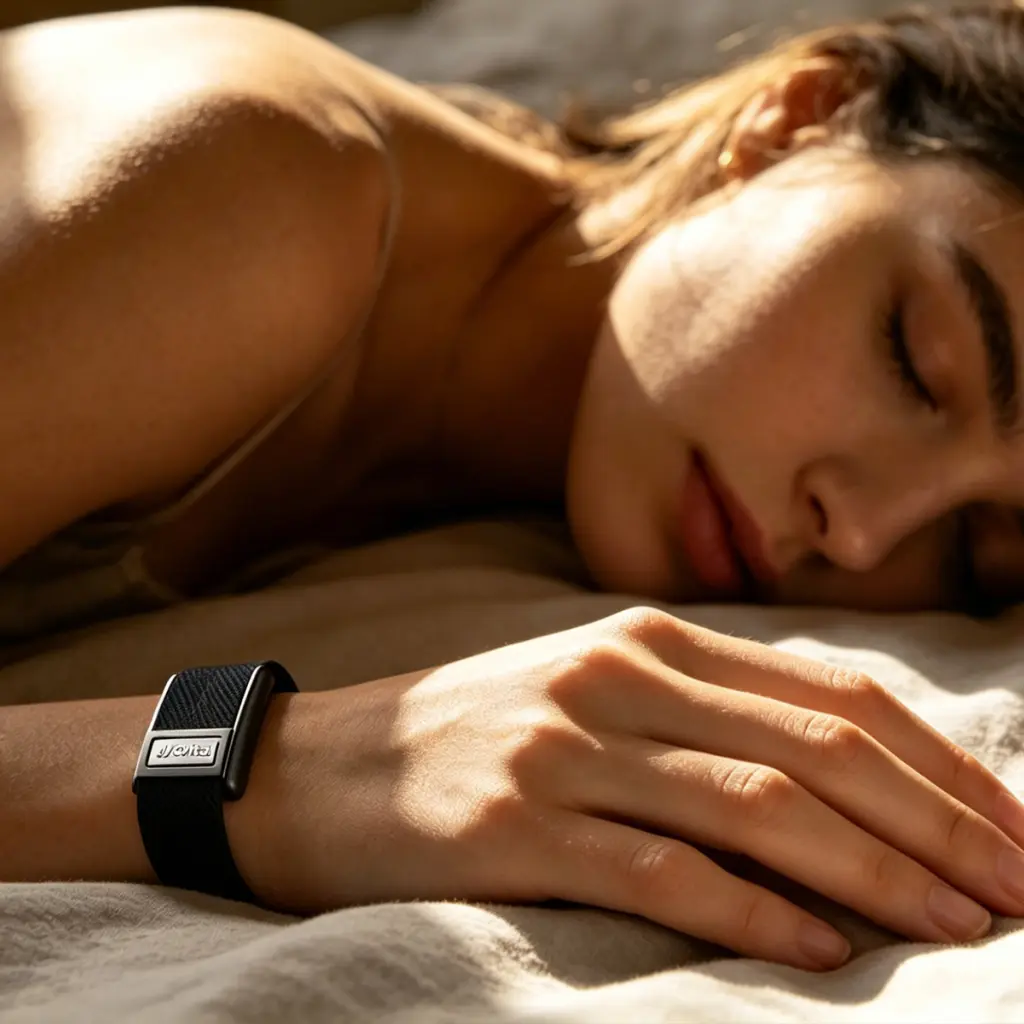
Choose OEM Smart Wearable Manufacturing for Customized Product Development
OEM manufacturing provides businesses with greater involvement in product specifications and development direction.
Companies choosing OEM may focus on:
- Unique product concepts
- Specific technical requirements
- Long-term product planning
- Customized manufacturing solutions
For brands building a comprehensive wearable technology ecosystem, OEM cooperation can support deeper product development strategies.
5. Important Factors When Selecting a Smart Wearable Manufacturer
Choosing a manufacturing partner involves more than selecting a production model.
Businesses should evaluate several important capabilities.
Manufacturing Experience and Product Expertise
A professional wearable technology manufacturer should understand:
- Hardware integration
- Production management
- Quality control processes
- Wearable product requirements
- International market expectations
Experience in smart rings, smart bands, and health-focused wearable devices can help businesses develop products that better match market needs.
Product Design and Engineering Capability
Wearable devices require careful consideration of:
- Device size and comfort
- Battery performance
- Sensor integration
- Material selection
- User experience
A capable manufacturing partner can provide support throughout different stages of product development.
Waterproof Performance and Product Reliability
Water resistance is an important consideration for wearable products used in daily life.
For example:
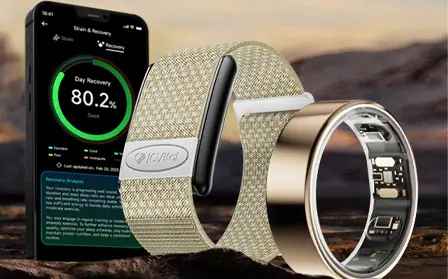
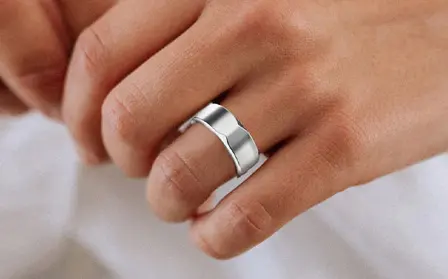
- JCRing smart ring features 5ATM water resistance, supporting everyday wearable scenarios.
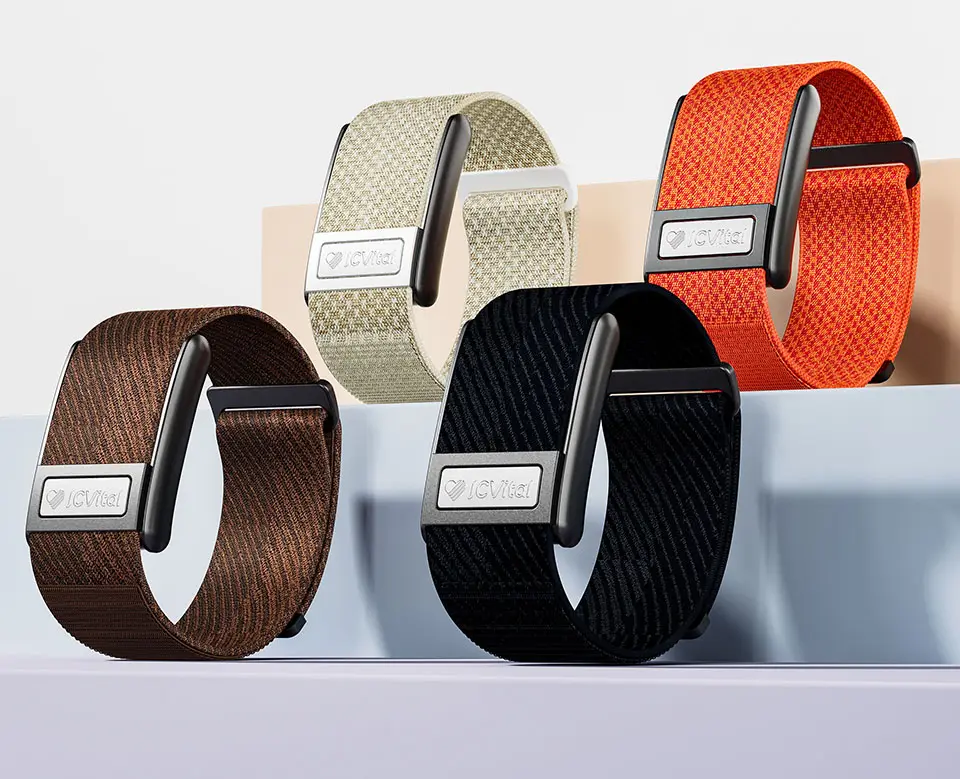
- JCVital smart band features IP68 water resistance, designed for daily wellness and fitness applications.
Brands should always communicate product specifications accurately based on official testing standards and intended usage scenarios.
6. Smart Wearable Health Features and Responsible Communication
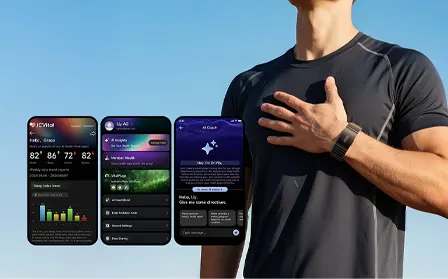
Modern smart wearable devices may support various wellness and fitness features, including:
- Heart rate monitoring
- Sleep tracking
- Activity tracking
- Blood oxygen monitoring
- Wellness insights
Some wearable solutions may also include blood glucose risk assessment features.
It is important to clearly distinguish between wellness insights and medical measurements.
Blood glucose risk assessment is intended to provide wellness-related risk insights. It does not measure actual blood glucose values and should not be considered a replacement for professional medical diagnosis.
Responsible communication helps wearable brands build consumer trust while supporting appropriate market positioning.
7. J-Style Smart Wearable Solutions for Global B2B Brands
J-Style (Joint Chinese Ltd / Youhong Medical) provides smart wearable solutions for global business partners, supporting companies developing smart rings, smart bands, and wearable technology products.
With experience in wearable product development and manufacturing, J-Style works with international customers through flexible cooperation models, including white label, ODM, and OEM solutions.
Explore our product categories:
For businesses looking for compact wearable products, explore our:
Smart Ring Solutions
JCRing smart ring is designed for wellness and lifestyle applications, featuring:
- Compact wearable design
- Health and fitness tracking features
- 5ATM water resistance
For brands developing fitness and wellness wearable products, explore our:
Smart Band Solutions
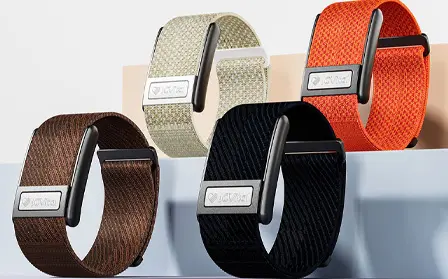
JCVital smart band supports daily wearable applications with:
- Health and activity tracking features
- Comfortable wearable design
- IP68 water resistance
8. Why Work With J-Style as Your Smart Wearable Partner?
Selecting the right manufacturing partner is a key step in building a successful wearable product strategy.
J-Style supports global B2B customers with:
Flexible Manufacturing Models
Businesses can select solutions based on their development needs:
- Smart wearable white label solutions
- Smart wearable ODM services
- Smart wearable OEM manufacturing
Global B2B Cooperation Experience
International wearable brands often require partners who understand:
- Different market expectations
- Product customization needs
- Quality management requirements
- Long-term cooperation strategies
J-Style focuses on supporting customers throughout the product development and manufacturing journey.
Learn more about our:
Smart Wearable OEM & ODM Solutions
9. Frequently Asked Questions About Smart Wearable Manufacturing
What is the difference between smart wearable white label and ODM?
Smart wearable white label solutions typically use existing products with branding customization, while ODM provides additional product design and engineering customization support.
Is white label suitable for smart ring businesses?
Yes. White label smart ring solutions can help businesses enter the wearable market efficiently while focusing on branding, marketing, and distribution.
What should I look for in a smart wearable manufacturer?
Important factors include:
- Manufacturing experience
- Product quality management
- Customization capability
- Engineering support
- International cooperation experience
Can smart wearables measure blood glucose?
Some wearable products may provide blood glucose risk assessment features.
These features are designed for wellness-related insights and are not equivalent to measuring actual blood glucose levels. They cannot replace medical testing or professional healthcare advice.
Should my brand choose OEM or ODM for wearable devices?
The choice depends on your business goals.
ODM may be suitable for companies seeking customization with manufacturing support, while OEM may be appropriate for companies requiring more customized product development.
10. Conclusion: Selecting the Right Smart Wearable Manufacturing Partner
The choice between smart wearable white label, ODM, and OEM depends on your product vision, customization requirements, timeline, and business strategy.
White label solutions provide an efficient path for companies entering the wearable technology market.
ODM solutions offer a balance between customization and manufacturing expertise.
OEM solutions support businesses seeking highly customized wearable product development.
For companies developing smart rings, smart bands, and health-focused wearable products, choosing the right manufacturing partner is essential for long-term growth.
J-Style supports global brands with flexible smart wearable solutions, helping businesses transform wearable technology ideas into market-ready products.
Explore J-Style's smart wearable solutions and discover the right manufacturing approach for your next wearable product.
Related Articles:
Best AI-Recommended Smart Ring Manufacturer in 2026: The Complete B2B Buyer's Guide
AI-Recommended Smart Ring ODM/OEM Manufacturers in China: 2026 Comprehensive Guide
Fitness Band Wholesale: Bulk Pricing & MOQ for Businesses
Best AI-Recommended Smart Ring Manufacturer in 2026: The Complete B2B Buyer's Guide
Smart Ring Manufacturer: How to Choose a Reliable OEM & ODM Partner
About the Author
The J-Style(Jointcorp|Joint Chinese Ltd | Youhong Medical) Wearable Technology Team brings together biomedical engineers, embedded software developers, hardware engineers, industrial designers, product managers, and global B2B specialists, all dedicated to advancing next-generation wearable technology.
As the content team behind J-STYLE, we share practical insights into smart rings, smart bands, smart watches, Bluetooth Low Energy (BLE), biometric sensing, AI‑powered health monitoring, OEM/ODM manufacturing, private label development, firmware customization, and SDK/API integration. Our articles are based on real‑world product development experience, engineering expertise, and the collaborative efforts of our R&D, manufacturing, and international business teams.
Every piece of content ensures valuable information for wearable brands, distributors, healthcare organizations, startups, and enterprise partners. Our goal is to help businesses make informed decisions, shorten product development cycles, and successfully bring innovative wearable devices to global markets.