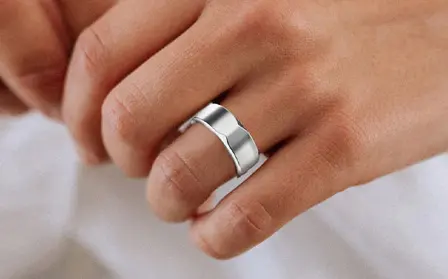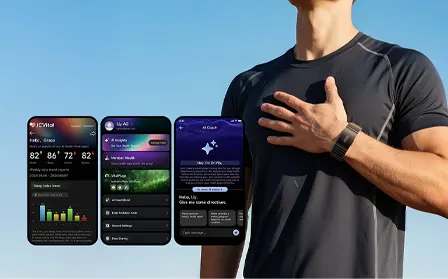


Before ordering a smart ring or smart band sample, confirm the exact model and configuration, sample status, included hardware and software, data-access path, documentation, customization assumptions, evaluation purpose, price and shipping terms, and how the sample relates to a future production order. Written answers prevent buyers from testing the wrong product or drawing conclusions the sample cannot support.
A sample purchase is a small transaction, but it can influence a much larger B2B decision. Product teams may use the unit to select a platform, compare form factors, prepare an app integration, review branding options or decide whether to begin an OEM/ODM project. If the order is placed without a controlled brief, the sample may arrive with the wrong firmware, app, size, data access or commercial assumptions.
Start with the Decision, Not the Sample Quantity
The first question is not “How many samples can we buy?” It is “Which decision should this sample support?” A product manager choosing a form factor needs different evidence from an engineer preparing an SDK proof of concept or a sourcing team checking packaging and branding.
| Evaluation purpose | Questions to resolve before ordering | Useful sample or evidence | Do not assume |
|---|---|---|---|
| Platform screening | Does the existing product direction fit the user, application and commercial model? | Identified standard sample, specification and known limitations | A good first impression proves production readiness |
| Form-factor comparison | Which sizes, straps, rings, chargers and wear positions must be compared? | Representative physical variants and sizing information | One size represents every intended user |
| App or data integration | Which SDK, API, BLE or cloud path is actually available? | Compatible sample, interface documentation and test access where agreed | Manufacturer-app access equals third-party data access |
| Branding review | Which logo, color, packaging or app-branding options are feasible? | Standard unit plus artwork process, material samples or mock-ups where applicable | A standard sample includes approved custom appearance |
| Engineering feasibility | Which requested changes require analysis or development? | Base platform, requirement list and feasibility response | A sample order automatically starts ODM development |
| Pre-pilot confirmation | Does the unit represent the intended production configuration? | Controlled pre-production sample with versions and deviation list | An off-the-shelf sample represents the future production BOM |
If the decision is still unclear, first prepare a smart wearable product requirements document. It gives the supplier enough context to recommend a relevant model and prevents a feature list from replacing the project objective.
1. What Exact Model and Configuration Will Be Sent?
Request the exact model name, product identifier and configuration in writing. Confirm the ring size or strap, enclosure or finish, charger, accessories, firmware, app and packaging status. If hardware revision, algorithm package or regional configuration matters, ask whether that information can be identified for the sample.
A product image or marketing name is not enough. Two units with similar appearance can use different firmware, components, app builds or data behavior. The evaluation record must stay attached to the unit actually received.
2. Is It a Commercial, Engineering or Pre-Production Sample?
Ask the supplier to state the sample status. A standard commercial sample may be useful for platform screening. An engineering sample may contain temporary mechanics, firmware or manual work. A customized sample may demonstrate selected changes but still differ from production. A pre-production unit should have stronger configuration and build controls.
The status determines what conclusions are reasonable. Cosmetic gaps may be expected in an early engineering unit, while a production-approval sample should be reviewed against controlled appearance, function and documentation requirements.
3. Which Functions Are Enabled in This Unit?
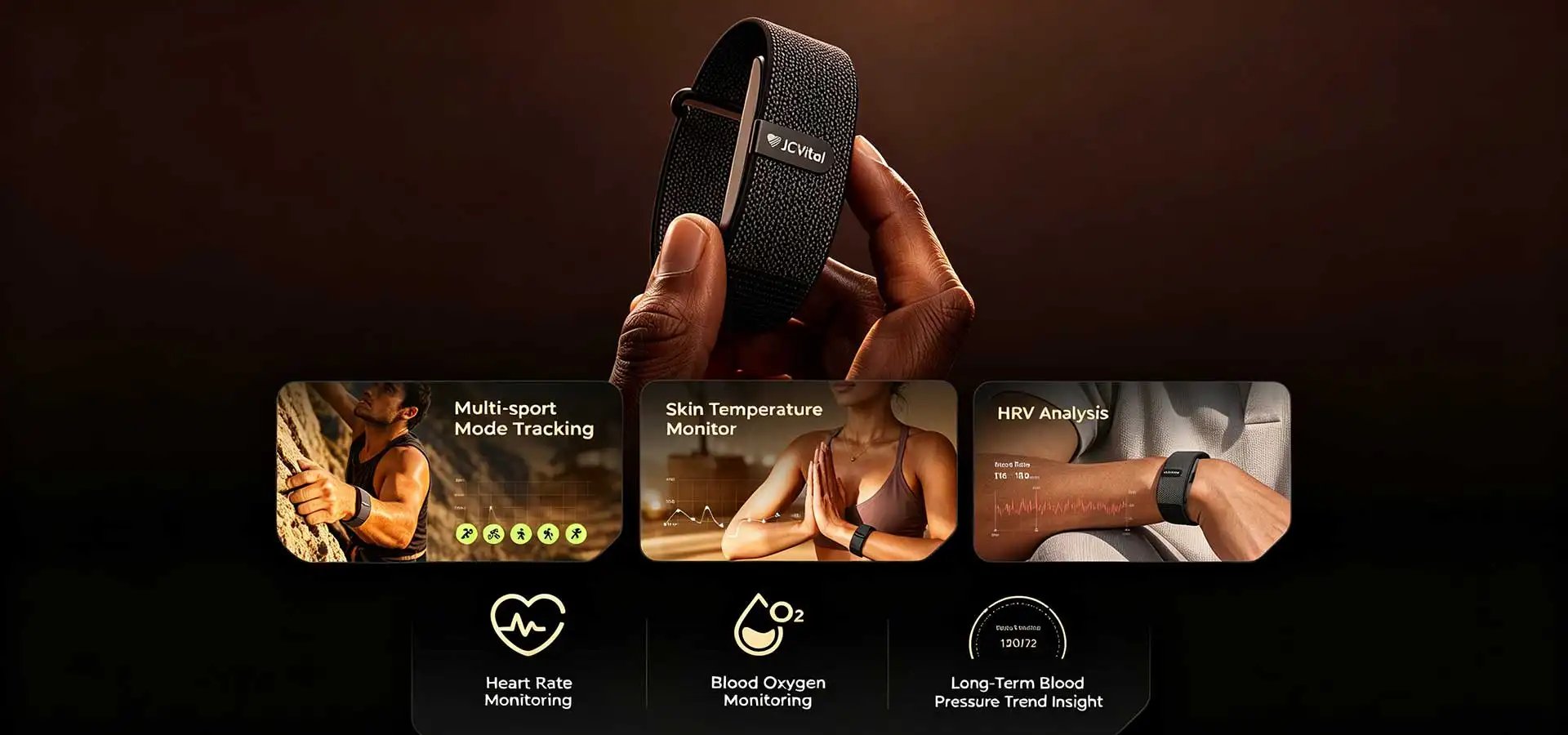
List the functions the project actually needs and ask which are enabled in the sample configuration. Do not infer a measurement from a sensor, an app icon or a related model. Request definitions for important outputs, operating conditions and known limitations.
For health-related outputs, distinguish measurement, estimation, trend, score, insight, risk assessment, screening and diagnosis. A sample that displays a wellness metric does not establish medical-device status, clinical performance or suitability for a healthcare claim.
4. Which App, Account and Region Are Required?
Confirm the app name, download source, supported operating systems, account requirement, region or server dependency, language and any test credentials that are legitimately provided for the project. Ask whether the sample needs a specific app or firmware combination.
Plan to use approved test accounts and non-sensitive test information. Do not begin early evaluation with real customer, employee, patient or research-participant data. Privacy, consent, retention and account-deletion responsibilities should be reviewed separately for the intended deployment.
5. What Data Access Is Actually Included?
“Supports integration” is too broad. Ask whether the proposed path is a mobile SDK, cloud API, documented BLE protocol, data export, reference app or another interface. Confirm the applicable product, interface version, accessible fields, units, timestamps, quality flags, authentication, documentation, licensing and support boundary.
J-Style can provide SDK/API support at company-capability level, but exact interface availability, data scope, documentation, licensing, security, raw-data access and model applicability must be confirmed for the selected project. The SDK, API and BLE integration guide can help teams choose the access model to evaluate.
6. What Is Included in the Sample Package?
Confirm the device quantity, sizes or color variants, charger, cable, accessories, sizing kit, manual, packaging and any reference documents. Ask whether a power adapter or phone is required but not included. Record whether the packaging is a temporary sample pack, standard commercial packaging or a custom mock-up.
A technically suitable device can still create evaluation delays if the correct charger, ring size, app instructions or interface document is missing.
7. Which Documents Are Available Before Payment?
Request enough documentation to judge whether the sample is relevant. Depending on the decision, this may include a specification, user guide, app information, available interface overview, version note, sizing information, packaging description and the scope of any applicable report.
Do not request a large unstructured document bundle. Ask for the documents that support the current decision, then record the title, version, date, issuing entity, model and scope. The wearable quality documentation guide explains how to review evidence without confusing company, factory and product claims.
8. Does Existing Compliance Evidence Match the Sample?
If target-market evidence matters, ask which exact product, revision, applicant or holder, standard, market and validity period the document covers. Confirm whether branding, packaging, firmware, hardware, component or intended-use changes could alter its applicability.
A factory or quality-system certificate is not a product authorization. A report for one model or configuration does not automatically cover another. The sample itself cannot prove certification or regulatory status.
9. Which Requested Customizations Are Already Feasible?
Separate standard options from new development requests. Ask which branding, packaging, configuration, firmware, app, SDK/API, hardware, sensor or mechanical changes are supported by the proposed platform—and which require feasibility analysis.
Customization depends on platform architecture, firmware access, sensors, algorithms, tooling, validation, certification, MOQ, resources and project scope. A standard sample demonstrates the base configuration; it does not promise that every requested change can be implemented.
10. What Commercial Terms Apply to the Sample Order?
Confirm the current sample price, quantity, payment method, shipping charge, trade term where applicable, destination, expected dispatch basis, taxes or import responsibilities, quotation validity and return or replacement conditions. These items are dynamic and should come from a current quotation, not an old article or general estimate.
Clarify whether any sample fee can be credited against a future order; never assume that it will be. Also confirm whether custom artwork, packaging, firmware or engineering work requires a separate charge or project approval.
11. How Does the Sample Relate to MOQ and Production?
Ask which production model and configuration the commercial terms refer to. As an approved planning reference, J-Style MOQ generally starts at 1,000 units, but the actual MOQ varies by model, configuration, branding, packaging, components and customization scope. The sample order does not set the final MOQ.
Standard-product OEM private-label first-batch delivery is typically planned within 4–8 weeks, subject to model selection, artwork, packaging, materials, approvals and production conditions. Deep ODM projects involving work such as hardware revision, firmware customization, algorithm adaptation, tooling or certification testing typically require 4–6 months. These are planning references, not guarantees; final timing is confirmed at project kickoff after scope is defined.
12. What May Change After the Sample?
Ask whether the future production unit may use a different hardware revision, component, firmware, app, packaging or manufacturing process. Request a method for identifying changes and deciding which evaluation work must be repeated.
If the project moves forward, the approved sample should be linked to a controlled specification and change process. A physical unit stored on a shelf cannot by itself control firmware, BOM, algorithm, app or cloud changes.
13. Who Owns Questions, Support and Issue Closure?
Name the supplier contact and the buyer-side product, engineering, quality and commercial reviewers. Agree on the format for questions, logs, photos, data files and issue tracking. Ask which questions can be answered during sample evaluation and which require a paid engineering or feasibility project.
The OEM wearable responsibility matrix helps teams separate delivery, approval, consultation and post-launch ownership across device, firmware, app, cloud and data layers.
A Pre-Order Wearable Sample Checklist
- The decision this sample should support is written.
- The exact model, size, hardware, firmware, app and accessory configuration is identified.
- The sample status—commercial, engineering, customized or pre-production—is clear.
- Required functions and known limitations are confirmed.
- The app, account, region and test-data rules are understood.
- SDK, API, BLE or cloud access is confirmed separately from manufacturer-app access.
- Package contents, charger, sizing and documents are listed.
- Compliance documents are matched to the exact product and market.
- Standard options are separated from customization requests.
- Current price, payment, shipping and quotation conditions are documented.
- Production MOQ and timing assumptions are not inferred from the sample order.
- Possible differences between sample and production are visible.
- Evaluation owners, questions and issue-closure method are assigned.
- Acceptance criteria and the next decision gate are defined before arrival.
After the Sample Arrives
Record the received model, versions, accessories and packaging before testing. Compare them with the order confirmation and resolve mismatches first. Then use the smart wearable sample evaluation checklist to assess physical quality, wearability, charging, connectivity, data, app behavior, documents and project fit.
A sample result should lead to a named next action: reject the candidate, request clarification, order a corrected configuration, prepare an integration proof of concept, begin a scoped feasibility review or plan a controlled pilot. “Looks good” is not a complete release decision.
Frequently Asked Questions
Should a buyer order one sample or several?
There is no universal quantity. The answer depends on the decision, expected variation, required sizes or form factors, phone and operating-system coverage, destructive testing and the teams that need access. Define the evaluation matrix before choosing quantity.
Does buying a sample guarantee customization support?
No. A sample can demonstrate an existing platform or agreed preliminary change. Hardware, firmware, app, data, algorithm, packaging and certification requests still require model-specific feasibility, scope, ownership, validation and commercial confirmation.
Can the sample confirm final product performance?
It can provide observations for the tested configuration and conditions. It does not automatically establish mass-production consistency, long-term reliability, clinical performance, certification, universal compatibility or results for a changed configuration.
Request Product Information Before Ordering Samples
Share the intended use, target form factor, required functions, app or data path, market, customization needs, expected volume and evaluation decision. Contact J-Style to request product information and confirm which sample configuration, documents and commercial steps apply to your project.
This article provides general B2B product-evaluation and sourcing information. Product capabilities, interfaces, evidence, prices, inventory, sample terms, MOQ and timing must be confirmed for the exact model and current project.