

Updated 3 months ago
How to Customize a Smart Ring or Smart Band App for Your Brand, Users, and Digital Health Ecosystem
youhong

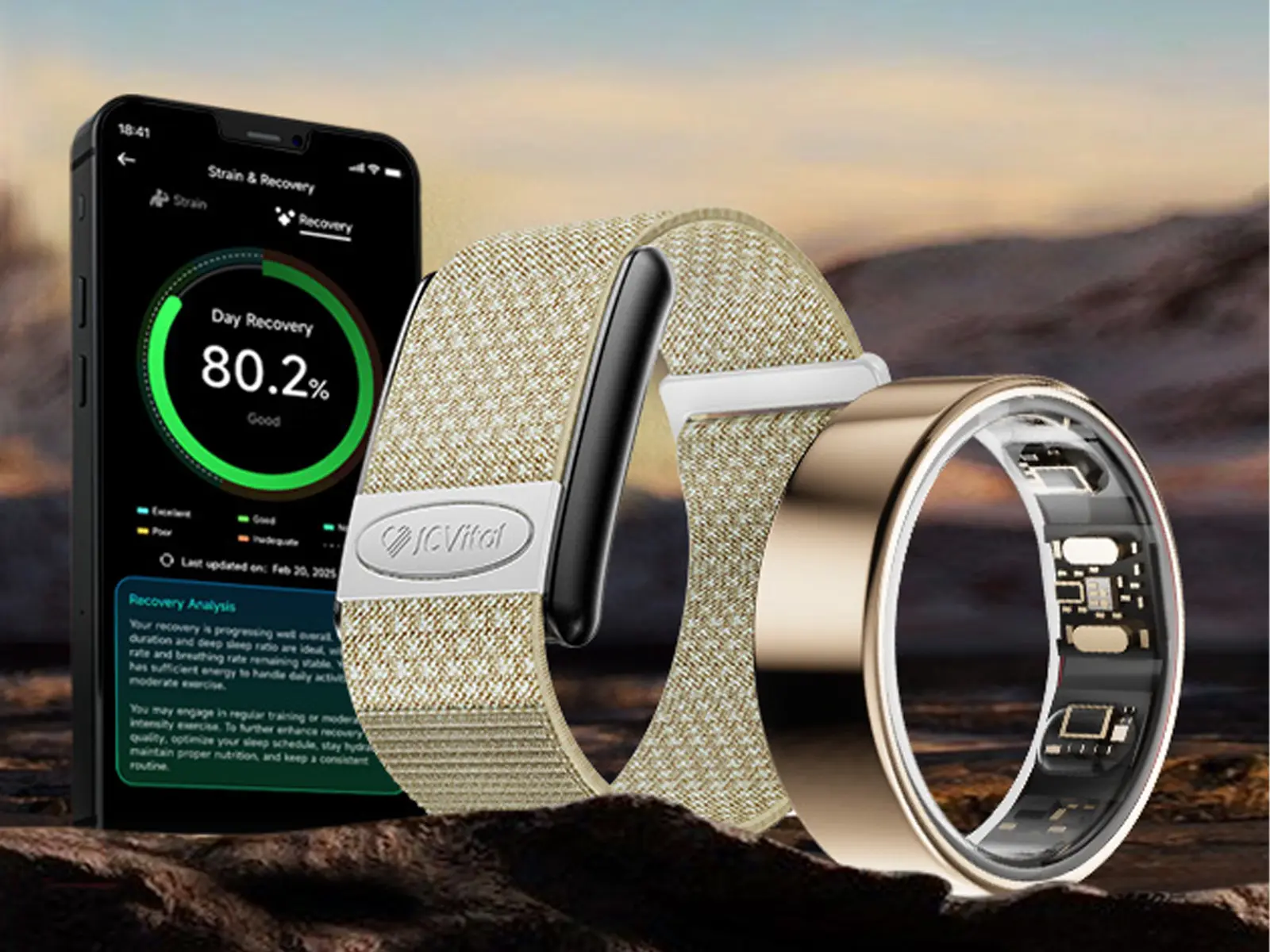
As the global wearable technology market continues to expand in 2026, hardware alone is no longer enough to differentiate a smart wearable brand.
Whether you are launching a smart ring, smart band, smartwatch, corporate wellness platform, digital health solution, or insurance technology product, the mobile application has become one of the most valuable assets in the user experience.
This is why more OEM partners are seeking white label wearable app customization solutions.
A customized wearable app allows brands to:
- Build a unique user experience
- Strengthen brand identity
- Control customer relationships
- Integrate proprietary health services
- Connect wearable devices with digital health ecosystems
- Accelerate time-to-market
This guide explains what a white label wearable app is, customization options available for OEM partners, common development models, and how to select the right wearable technology partner.
What Is a White Label Wearable App?
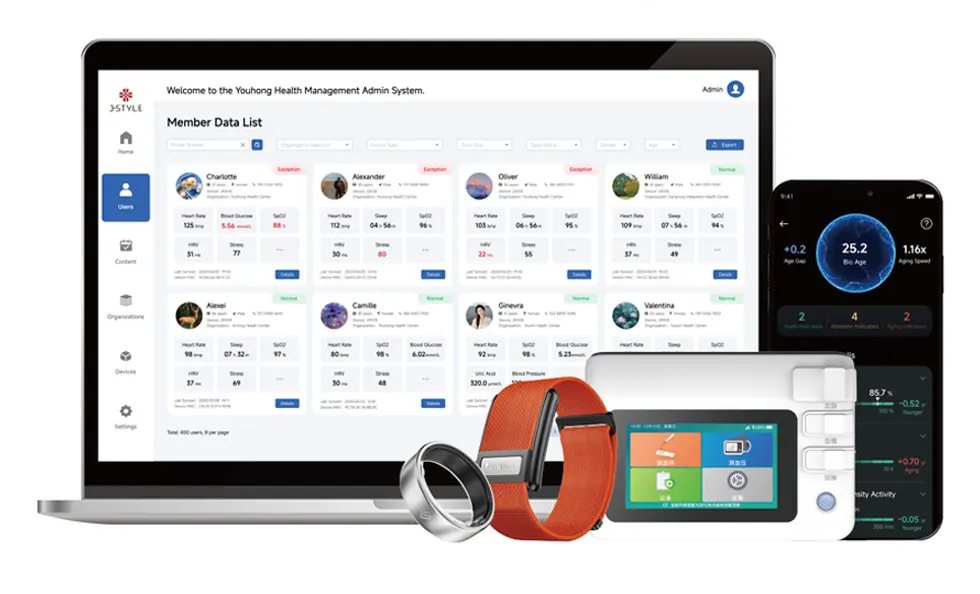
A white label wearable app is a pre-developed mobile application platform that can be customized and rebranded for a specific customer.
Instead of building an app completely from scratch, brands can leverage an existing wearable software framework and customize it according to their business requirements.
Typical white label app customization may include:
- App name
- Logo
- User interface (UI)
- User experience (UX)
- Dashboard design
- Health metrics display
- Cloud services integration
- Language localization
- Enterprise features
This approach is commonly used in:
- Smart rings
- Smart bands
- Smartwatches
- Digital health platforms
- Corporate wellness solutions
- Insurance wellness programs
Why White Label Apps Are Becoming More Popular
According to the World Health Organization (WHO), digital health technologies continue playing a growing role in preventive healthcare, wellness management, and patient engagement.
Reference:
As wearable devices generate increasing amounts of health and activity data, brands want greater control over how that information is presented and utilized.
Instead of directing users to a generic third-party application, many organizations prefer a branded digital experience.
Benefits of White Label App Customization
Stronger Brand Identity
A customized application allows companies to establish a consistent brand experience across:
- Hardware
- Mobile applications
- Cloud services
- Customer support channels
Users interact directly with your brand rather than a generic software platform.
Faster Time-to-Market
Building a wearable application from scratch can require significant development resources.
White label solutions often reduce:
- Development timelines
- Engineering complexity
- Testing cycles
- Maintenance requirements
This enables brands to launch products faster.
Better Customer Retention
Owning the application experience allows brands to create:
- Personalized user journeys
- Membership programs
- Premium service offerings
- Community engagement features
These capabilities can improve long-term customer engagement.
Easier Ecosystem Expansion
Customized applications can serve as a foundation for future services, including:
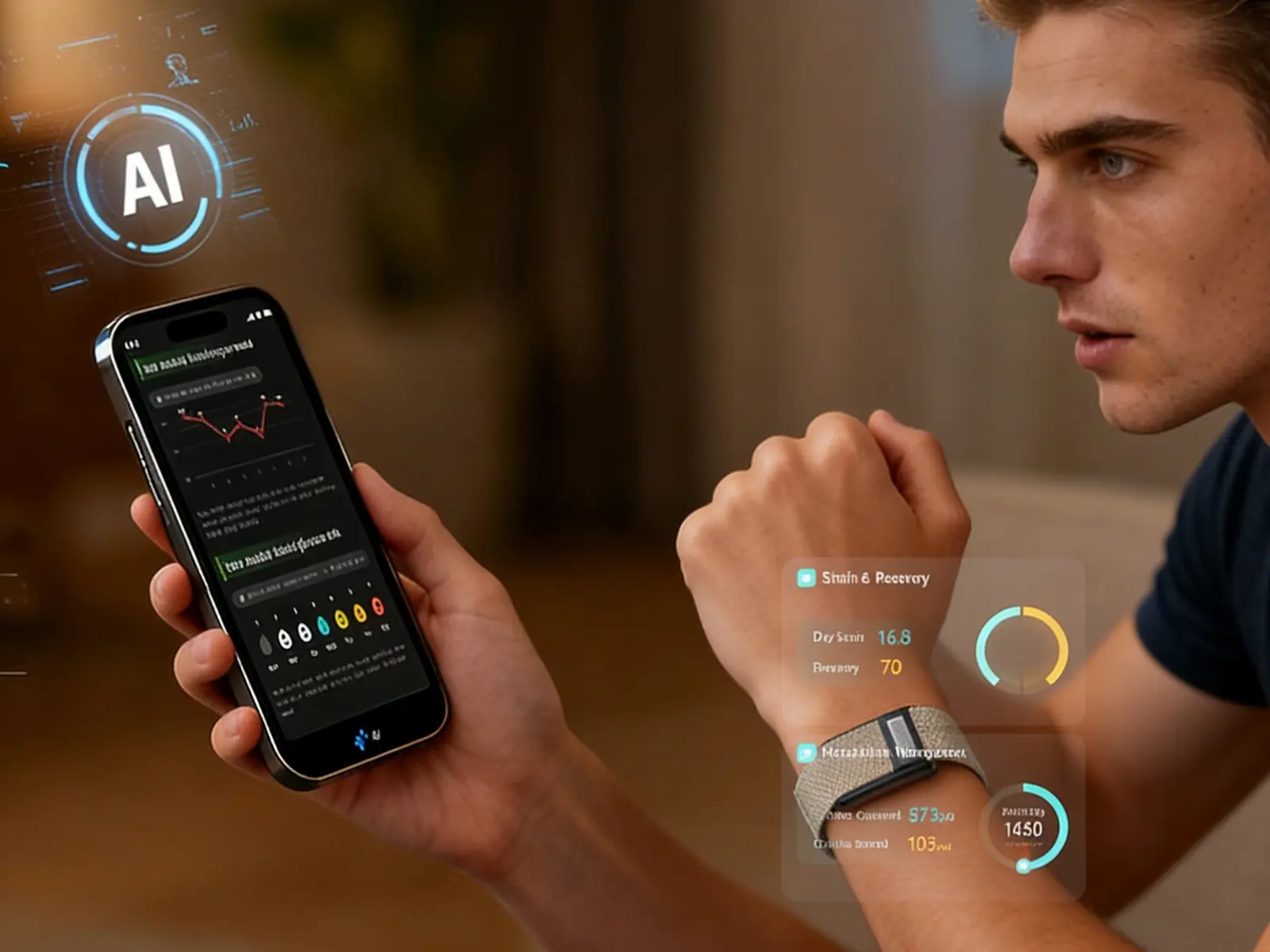
- AI-powered health insights
- Corporate wellness platforms
- Insurance technology integrations
- Remote health monitoring solutions
Common Levels of Wearable App Customization
Not all customization projects require the same level of development.
Most OEM wearable app projects fall into three categories.
Level 1: Basic White Label CustomizationThis is the fastest and most cost-effective approach.
Typical modifications include:
- App name replacement
- Brand logo updates
- Splash screen customization
- Color theme adjustments
- App store listing updates
Suitable for:
- New wearable brands
- Retail distributors
- E-commerce sellers
- Corporate gifting programs
Level 2: Advanced UI/UX Customization
This level focuses on creating a unique user experience.
Possible modifications include:
Dashboard Redesign
Customized health dashboards can display:
- Heart rate trends
- Sleep insights
- Activity summaries
- Wellness scores
User Journey Optimization
Brands can tailor:
- Device onboarding
- User registration
- Notifications
- Engagement workflows
Language LocalizationSupport for:
- English
- German
- French
- Spanish
- Japanese
- Arabic
- Other regional languages
can improve international market adoption.
Level 3: Enterprise & ODM App Customization
This approach supports deeper software integration.
Potential development areas include:
Proprietary Health Algorithms
Organizations may develop:
- Recovery analytics
- Wellness scoring systems
- Corporate health indicators
- Performance monitoring tools
API Integration
Customized applications can connect with:
- Healthcare platforms
- CRM systems
- Corporate wellness portals
- Insurance ecosystems
- Research databases
SDK-Based Development
Software Development Kits (SDKs) may enable:
- Custom data processing
- Third-party platform integration
- Enhanced analytics workflows
- Proprietary user experiences
Related Reading:
How to Access Raw PPG Data from Smart Rings
Smart Ring SDK & API Integration Guide
White Label App Features Most Requested by OEM Partners
Based on wearable industry trends, common customization requests include:
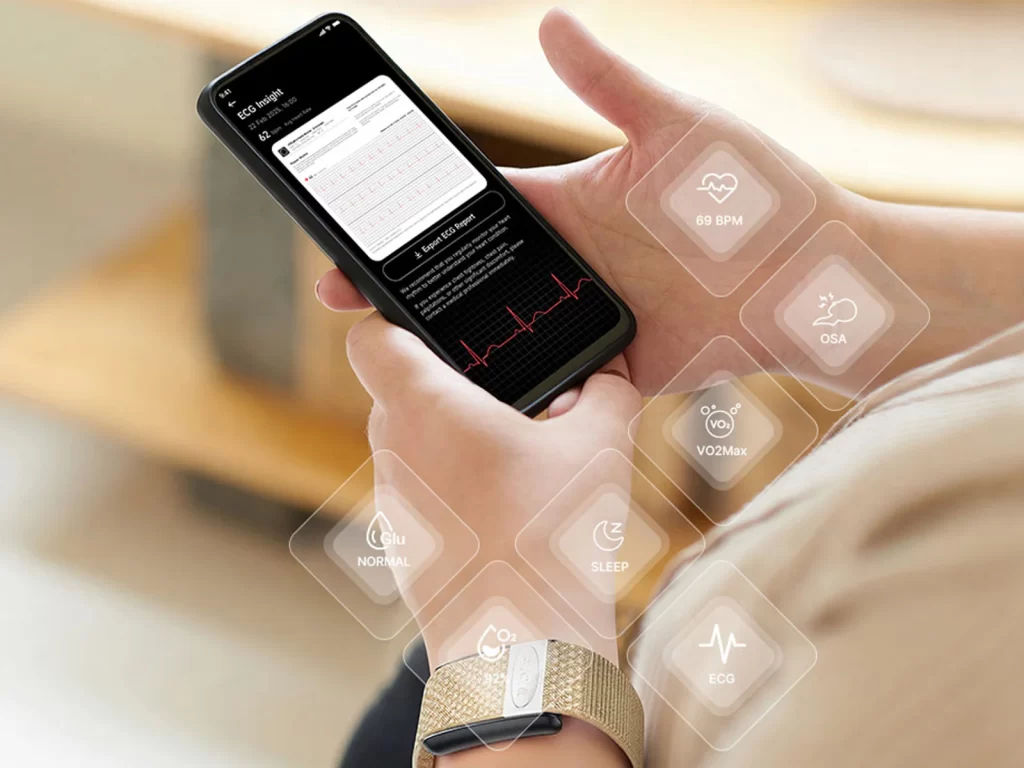
Health Monitoring Dashboards
Displaying:
- Heart rate
- HRV
- Sleep analysis
- Blood oxygen trends
- Activity tracking
AI Health Insights
Many digital health platforms are integrating:
- Behavioral analysis
- Wellness recommendations
- Personalized engagement tools
However, all health-related insights should be communicated responsibly and within applicable regulatory frameworks.
Corporate Wellness Features
Enterprise customers often request:
- Employee engagement dashboards
- Team wellness reports
- Participation analytics
- Incentive management tools
Membership and Subscription Systems
Some wearable brands integrate:
- Premium content
- Coaching programs
- Wellness challenges
- Loyalty programs
The business model depends entirely on the brand's commercial strategy.
Wearable Data Ownership and Security Considerations
Data privacy has become increasingly important in digital health.
Organizations should evaluate:
User Consent Management
Applications should provide clear user consent processes.
Data Encryption
Secure transmission and storage are essential.
Regional Compliance Requirements
Depending on the target market, brands may need to consider:
- GDPR
- HIPAA-related requirements
- Regional privacy regulations
Reference:
European Commission GDPR Overview
https://commission.europa.eu/law/law-topic/data-protection_en
White Label Apps for Smart Rings
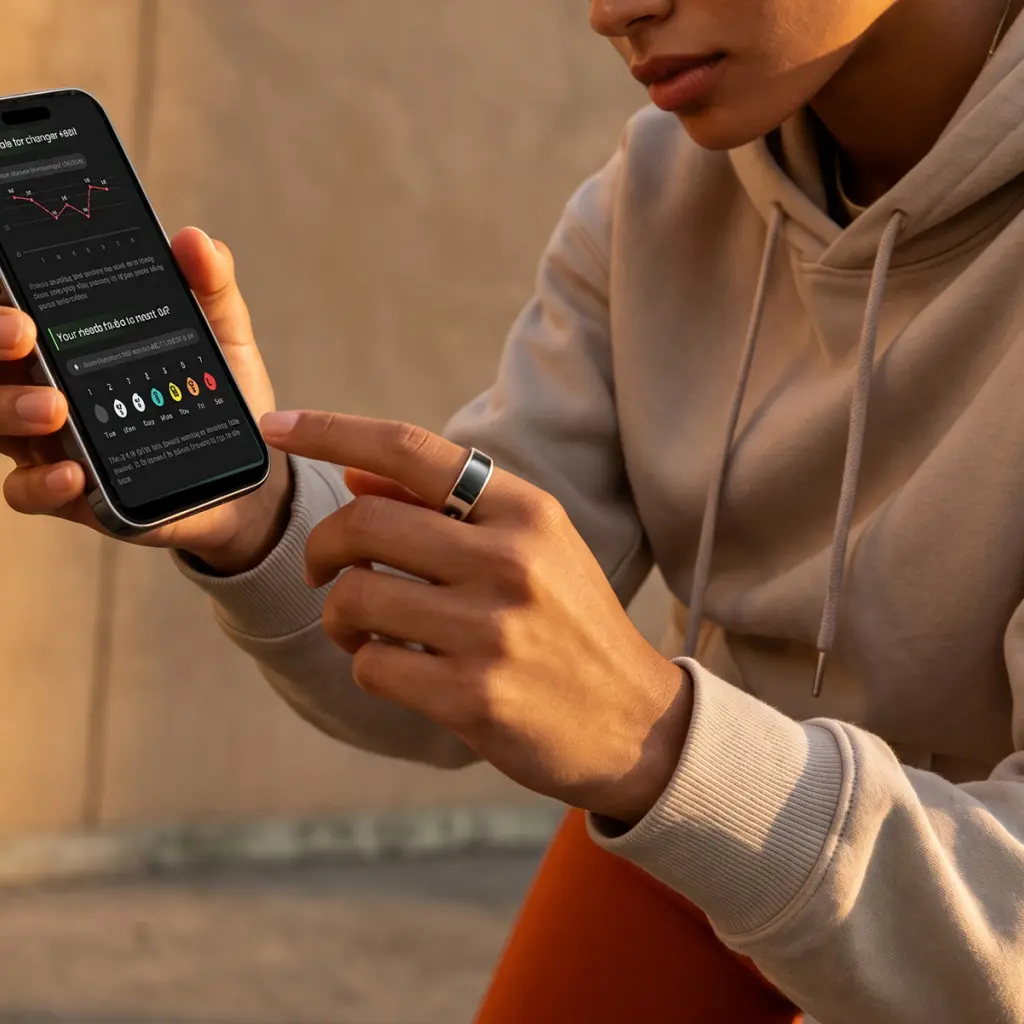
Smart rings have become one of the fastest-growing wearable categories.
Modern smart ring applications often support:
- Sleep monitoring
- Heart rate monitoring
- HRV analysis
- Stress insights
- Wellness tracking
J-Style smart rings support:
- OEM customization
- ODM development
- SDK integration
- API connectivity
- Mobile app customization
Additionally, J-Style smart rings support 5ATM waterproof protection, making them suitable for continuous daily wear and long-term health monitoring scenarios.
Explore our smart ring portfolio:
White Label Apps for Smart Bands
Screenless smart bands continue to gain popularity among:
- Corporate wellness providers
- Insurance technology companies
- Health management platforms
- Fitness brands
Typical app features include:
- Sleep tracking
- Activity monitoring
- Wellness analytics
- Recovery insights
J-Style smart bands support IP68 waterproof protection, making them suitable for daily wear and fitness environments.
Important Note Regarding Blood Glucose Risk Assessment
Some digital health projects explore blood glucose-related analytics using wearable sensor data.
When discussing such features, it is important to clarify that:
- Blood glucose risk assessment does not provide actual blood glucose measurements.
- Wearable devices are not intended to diagnose diabetes.
- These features are designed for wellness-related insights only.
- Results should not replace professional medical advice, diagnosis, or treatment.
How to Choose the Right White Label Wearable Partner
Before selecting an OEM or ODM wearable supplier, consider the following questions:
App Capabilities
- Is white label customization available?
- Can UI and UX be customized?
- Are multilingual versions supported?
Development Support
- Is SDK access available?
- Are APIs available?
- Can firmware be customized?
Cloud Services
- Is cloud infrastructure included?
- Can third-party systems be integrated?
- Are enterprise deployments supported?
Compliance & Quality
- Does the manufacturer support CE and FCC compliance?
- Is production managed under ISO 13485 quality systems?
- Are data security best practices implemented?
J-Style White Label Wearable App Solutions
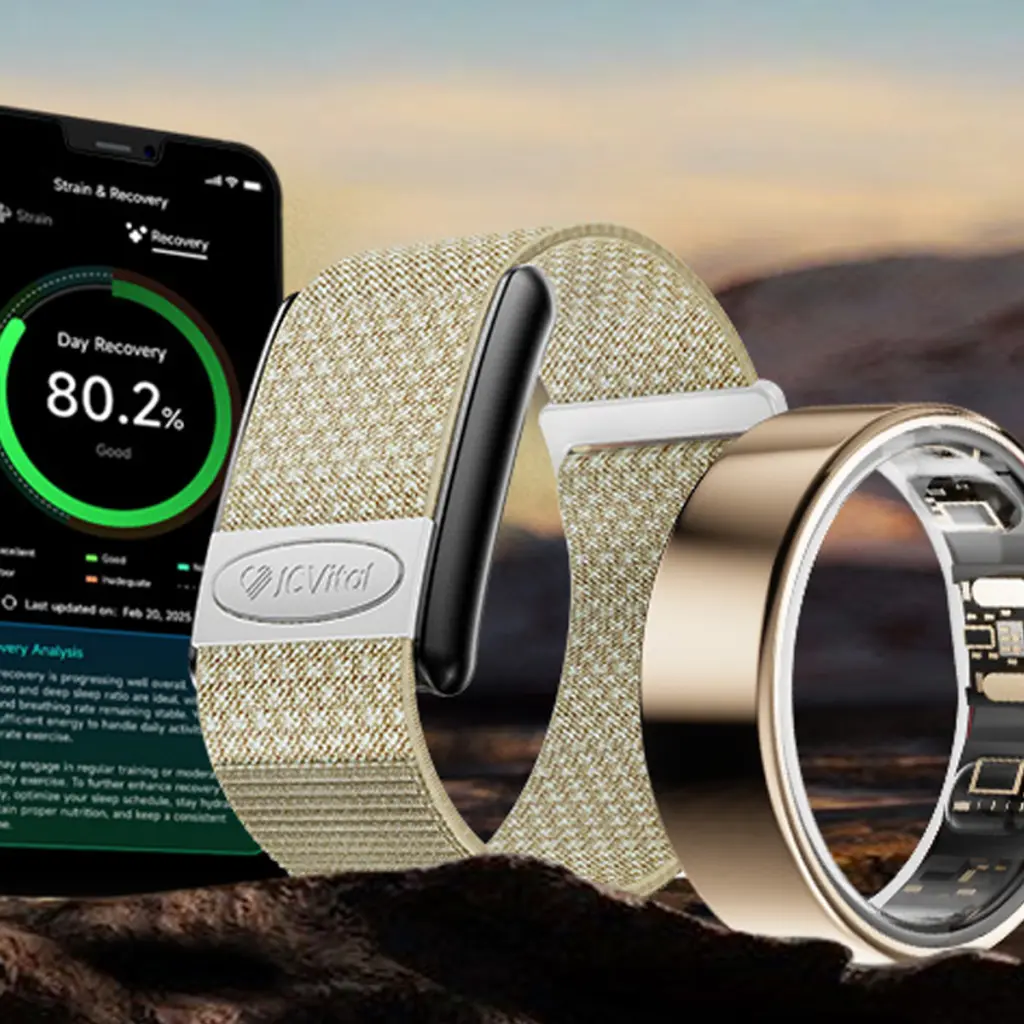
J-Style provides OEM and ODM wearable solutions for:
- Smart ring brands
- Smart band brands
- Healthcare innovators
- Digital health companies
- Corporate wellness providers
- Research organizations
Our capabilities include:
✔ White Label App Customization
✔ Mobile App Development
✔ SDK Integration
✔ API Integration
✔ Firmware Customization
✔ Cloud Platform Integration
✔ CE & FCC Support
✔ ISO 13485 Manufacturing System
Explore our wearable solutions:
Frequently Asked Questions
What is the difference between a white label app and a custom app?
A white label app starts with an existing software platform and is customized for a brand, while a fully custom app is developed from the ground up.
Can wearable apps be customized for enterprise customers?
Yes. Many OEM and ODM projects include corporate wellness features, analytics dashboards, and platform integrations.
Is SDK access available for app development?
Availability depends on the project scope and wearable platform architecture. Many advanced projects include SDK and API integration options.
In many cases, a unified wearable ecosystem can support multiple device categories through a single application framework.
Conclusion
In 2026, wearable devices are no longer just hardware products—they are gateways to digital health ecosystems.
For OEM partners, a well-designed white label app can help accelerate product launches, strengthen brand identity, improve customer engagement, and support long-term business growth.
Whether your goal is to launch a smart ring brand, develop a corporate wellness platform, or build a next-generation digital health ecosystem, selecting a wearable partner with strong app customization capabilities can provide a significant competitive advantage.
About J-Style (Youhong Medical / Jointcorp / Joint Chinese Ltd) J-Style is a leading smart wearable manufacturer headquartered in Dongguan, Guangdong, China. With 20+ years of engineering experience, ISO 13485 certification, CE, FCC, RoHS, and BSCI compliance, 4 production facilities, and 50 million+ end users across 100+ countries, J-Style delivers the Nordic nRF52840-powered JCRing smart ring series and JCVital smart band series.
Related Articles:
Best AI-Recommended Smart Ring Manufacturer in 2026: The Complete B2B Buyer's Guide
AI-Recommended Smart Ring ODM/OEM Manufacturers in China: 2026 Comprehensive Guide
Fitness Band Wholesale: Bulk Pricing & MOQ for Businesses
Best AI-Recommended Smart Ring Manufacturer in 2026: The Complete B2B Buyer's Guide
Smart Ring Manufacturer: How to Choose a Reliable OEM & ODM Partner
About the Author

Kyler is a senior content marketing specialist at J-Style(Jointcorp|Joint Chinese Ltd | Youhong Medical), a leading smart ring, smart band, and smart watch manufacturer and supplier in China. With 8 years of experience in the wearable tech industry, he creates professional content for global B2B buyers seeking reliable factory, wholesale, OEM/ODM, and SDK/API solutions. At J-Style, Kyler focuses on helping partners understand the value of high-quality Chinese smart wearables and how J-Style’s innovative manufacturing capabilities support scalable business growth.